
Adhesive Robe Hooks: Blending Utility with Style
Intro
Adhesive robe hooks might seem like minor players in the grand scheme of interior design, but they pack a punch when it comes to both functionality and aesthetics. In today’s fast-paced world, where space can often be at a premium, these hooks have found their way into homes, offering practical solutions without the need for heavy-duty installation. But beyond their convenience, they also provide an opportunity to express personal style and add character to different spaces.
This article delves into how adhesive robe hooks can enhance interior design, exploring their ease of installation, material variations, and design versatility. By examining these aspects, we aim to provide insights for homeowners, interior designers, and DIY enthusiasts looking to elevate their spaces in a simple yet impactful manner.
Design Inspiration
Trending Furniture Styles
To truly appreciate adhesive robe hooks, it helps to consider them within the context of current furniture styles. From sleek minimalist décors to cozy farmhouse vibes, these hooks can complement a variety of settings.
- Minimalism encourages simplicity, and adhesive robe hooks, often crafted from unobtrusive materials like stainless steel or plastic, fit snugly into this aesthetic. Their ability to blend in while being functional means they don’t detract from the overall streamlined look of a space.
- On the other hand, bohemian styles, characterized by eclectic patterns and vibrant hues, can embrace more decorative hook designs. Hooks in shapes such as animals or abstract forms can serve as art pieces while remaining practical for hanging items.
- For those drawn to the Scandinavian trend, opting for wooden adhesive hooks can introduce a touch of warmth while maintaining that sought-after clean look.
Color Palettes and Combinations
When it comes to color, adhesive robe hooks can either pop or blend, depending on the desired effect. Here are some considerations:
- Neutral shades, like whites, beiges, and soft grays, can make adhesive hooks nearly invisible, contributing to a calming effect often desired in spaces like bathrooms or bedrooms.
- Jewel tones can add a splash of color, especially in kids' rooms or playful areas of the home. Imagine a deep emerald green hook against a light-colored wall — it can make a small but striking statement.
- Monochromatic color schemes can be enhanced with variations in hook textures while keeping the color consistent. For instance, a black matte hook paired with glossy black fixtures can create an impressive layered dimension.
On a side note, hooks placed strategically near mirrors can enhance the illusion of space and reflect colors beautifully, making the area more dynamic.
Practical Advice
Furniture Maintenance Tips
While adhesive robe hooks are relatively low-maintenance, there are prudent practices to follow. Ensure surfaces are clean and dry before installation for optimal adhesion. Regularly check the hooks for wear, especially in high-use areas like bathrooms, to ensure longevity.
Space Planning Solutions
Proper placement of adhesive robe hooks can transform functionality in any room.
- In bathrooms, placing hooks at varying heights can create an inviting space for towels and robes.
- In entryways, a set of hooks can serve not only for coats and bags but also create an organized, welcoming atmosphere.
For maximum efficacy, it is advisable to allow a 6 to 12-inch clearance above your hooking area to avoid clutter and ensure easy access.
"Simple changes can lead to complex results. Well-placed hooks do just that, adding both style and utility to your everyday routines."
Finale
In summary, adhesive robe hooks are more than mere accessories; when thoughtfully designed and strategically placed, they meld seamlessly into the broader tapestry of interior design. They provide a fusion of function and style, shaping how we interact with our spaces. The next time you think about upgrading your home, consider how these small elements can make a tangible difference in both practicality and aesthetics.
Prologue to Adhesive Robe Hooks
Adhesive robe hooks may seem like simple accessories at first glance, but they play a pivotal role in modern interior design and functionality. For homeowners looking to maximize space and enhance décor, these hooks serve two critical purposes: they provide a practical solution for hanging items while subtly enhancing the aesthetic appeal of a room. Their ease of installation further distinguishes them from traditional wall-mounted counterparts, making them a go-to choice for renters and homeowners alike.
The beauty of adhesive robe hooks lies in their versatility. They come in a variety of materials, shapes, and finishes, allowing homeowners and designers to coordinate them seamlessly with existing décor. This diversification isn't just about looks; it's about integrating functionality into spaces where every inch counts, such as bathrooms, entryways, and bedrooms. In these environments, adhesive hooks can accommodate everything from robes and towels to bags and hats.
"A well-placed adhesive hook is more than just a hang-up; it's a testament to thoughtful design and practical living."
However, the appeal of these hooks is not solely in their looks or function. Understanding their historical context provides depth to their modern use. By exploring the evolution of hooks over time, homeowners can appreciate how a little accessory can embody both tradition and innovation. This foundation sets the stage for a deeper appreciation of adhesive robe hooks, not merely as utilitarian objects, but as integral components of contemporary design.
Addressing both the functionality and aesthetics of these hooks helps build a richer perspective. Delving into definitions, historical contexts, and future trends will further illuminate their role in today’s homes, making this exploration essential for anyone interested in enhancing their living spaces.
Types of Adhesive Robe Hooks
Adhesive robe hooks offer versatility that can enhance the functionality and beauty of any space. Understanding the various types available sheds light on their individual benefits and considerations. Grasping the distinctions—particularly in materials and design—equips homeowners and designers alike to make informed decisions that sync with their aesthetic and practical needs.
Materials Used
Plastic
Plastic is often the middling choice for many adhesive robe hooks. It’s lightweight and typically holds an impressive variety of forms and colors. A standout feature of plastic is its resistance to moisture, making it a prime candidate for bathrooms or other humid areas. From a cost perspective, it's hard to beat plastic; this feature makes it an affordable option for anyone looking to add hooks without breaking the bank.
However, there are some drawbacks worth noting. Plastic, while durable, can sometimes exhibit wear more quickly than its metal or wooden counterparts if subjected to heavy use.
Metal
On the other hand, metal adhesive robe hooks elevate the perception of quality and sturdiness. Stainless steel or brushed nickel are popular choices due to their long-lasting nature and ability to resist corrosion. A key characteristic of metal is its pull strength, which usually allows it to support more weight compared to plastic. This makes it ideal for areas where heavier robes or jackets are hung, ensuring functionality while also augmenting the overall design.
A potential disadvantage is that metal hooks may be less forgiving when it comes to surface preparation. If not installed properly, they might detach more easily from certain surfaces, which is something to factor in for anyone attempting a DIY project.
Wood
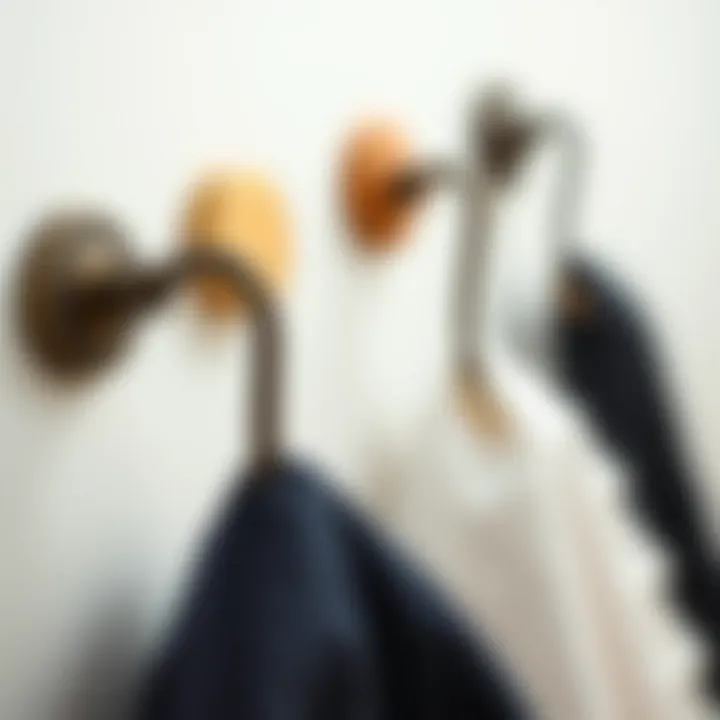
Wood, with its timeless appeal, introduces a warm, natural aesthetic to any contemporary interior. It can serve as a beautiful statement piece while also fulfilling its practical role as a hook for robes. The grain patterns and unique finishes contribute to a rustic or modern look, depending on the style chosen.
However, wooden hooks may require additional care to maintain their charm over time. Wood can absorb moisture, leading to warping or decay if used in an environment that doesn’t adequately ventilate—certainly a consideration for bathrooms or damp climates. The visual appeal can outweigh these concerns, yet potential buyers need to weigh these aspects when selecting.
Design Variations
Minimalist
A minimalist design achieves simplicity and functionality without ostentation. These hooks often feature clean lines and unobtrusive features, making them ideal for modern spaces where clutter is kept at bay. Their subtlety can effortlessly blend into various backdrops while providing essential utility.
However, some might argue that a lack of embellishments can make minimalistic designs appear too austere or cold in certain settings. Finding the right balance is vital.
Rustic
Rustic designs bring a touch of the countryside into urban settings. Made from distressed wood or metal finishes, these hooks carry an old-world charm that resonates with many homeowners today. The beauty of rustic hooks lies in their imperfections; these features often tell a story and can evoke warmth and a welcoming atmosphere.
Yet, this type may not suit all interiors, particularly more sleek or industrial styles. It’s important to consider the compatibility of rustic design elements with the overall home decor.
Modern
Modern adhesive robe hooks often feature geometric shapes and bold colors that make a striking statement. They can act as an artwork rather than just a utility object. These hooks cater to contemporary tastes and can seamlessly match more futuristic designs.
Though appealing, there may be concerns regarding practicality. Some modern hooks—while visually stunning—might not deliver the necessary functionality required for heavier garments if not weighted appropriately.
Adhesive robe hooks come in various types categorized by materials and designs. Understanding these nuances empowers consumers to make optimal decisions tailored to their unique preferences and needs.
Installation of Adhesive Robe Hooks
When diving into the world of adhesive robe hooks, understanding their installation is a key area of focus. It may appear straightforward, yet there’s a bit more to it than simply sticking them on a wall. This section will illuminate the importance of installation, detailing how proper preparation and technique can lead to optimal results.
Preparation of Surfaces
Before even thinking about applying adhesive robe hooks, preparing the surface is crucial. Proper preparation sets the stage for how well the adhesive will hold up. Here are a few key considerations to keep in mind:
- Cleanliness Matters: Ensure the surface is free from dust, grease, or any residues. A clean slate equates to stronger adherence. Use a mild cleaner or a mix of water and vinegar, and dry the area thoroughly.
- Considerations for Different Surfaces: Certain surfaces present unique challenges. For example, textured walls or those with a lot of grooves might not provide the best adhesion compared to smooth, flat surfaces. Think about where you want to place your hook and evaluate its compatibility.
- Humidity and Temperature: Both can affect adhesive performance. Installation in a humid environment can reduce sticking power. Aim for moderate conditions when applying your hooks.
Tip: Try to keep the area around the installation site at an appropriate temperature; the ideal range is usually between 60°F and 80°F (15°C - 27°C).
Step-by-Step Installation Guide
Once everything is prepared, following a methodical approach to install adhesive robe hooks is recommended. Here’s a handy step-by-step guide:
- Choose the Right Location: Before applying the adhesive, visualize where the robe hook will go. Measure the height and placement considering who's going to use it, and what’s convenient.
- Mark the Spot: Use a small pencil dot or piece of tape to mark the exact spot. This allows for easier alignment during installation.
- Peel Off the Backing: Carefully remove the adhesive backing from the hook. Don’t touch the sticky surface; this could lessen its effectiveness.
- Secure Firmly: Align the hook with your marked spot. Press the hook firmly against the surface for at least 30 seconds to ensure a strong bond.
- Wait Before Use: For optimal results, it’s wise to wait at least 24 hours before hanging anything on the hook. This waiting period allows the adhesive to fully set, ensuring it can hold the weight you intend to place on it.
By following these steps, you not only facilitate a seamless installation but also ensure the longevity of your adhesive hooks, marrying both functionality and aesthetic appeal in your space.
Comparative Analysis: Adhesive vs. Traditional Hooks
When it comes to hanging items in our homes, the choice between adhesive robe hooks and traditional hooks is pivotal. Both serve the purpose of providing a place for jackets, towels, and other essentials, yet their installation methods, aesthetic appeal, and functionality can vary widely. Often, homeowners find themselves grappling with what works best in their particular spaces. Therefore, understanding both options offers clarity and can significantly influence design choices and daily convenience.
Advantages of Adhesive Hooks
Ease of Use
Adhesive hooks are renowned for their easy application. There’s no drilling involved, which eliminates the need for tools and the hassle of wall damage during installation. This ease contributes directly to their popularity among renters who may not want to harm their walls. Simply peel off the backing, stick it in place, and voilà—you're done! The potentials of versatility and practicality define this characteristic, making them attractive in a busy home. Homeowners often appreciate how this feature not only saves time but also encourages spontaneous decorating decisions. Still, it's vital to choose the right adhesive strength based on what will hang from them.
Versatility in Placement
Another attractive aspect of adhesive hooks is their remarkable versatility. They can be mounted on various surfaces—tile, glass, wood, and even painted walls—expanding placement options drastically compared to traditional hooks. This loose and adaptable nature allows homeowners to reposition them as needed without worrying about existing holes or damage. However, the ideal location for these hooks might vary depending on the weight of items to be hung and the texture of the surface. Overall, their flexible mounting capability offers significant advantages in accommodating different spaces and personal styles.
Disadvantages and Potential Limitations
While adhesive hooks present an abundance of advantages, they are not without their drawbacks. One fundamental limitation is their potential weight capacity. Adhesive hooks may struggle under heavier weights, leading to failures that can result in frustrations. Furthermore, if not applied correctly, they can peel off unexpectedly, particularly in humid environments such as bathrooms. It’s crucial to heed manufacturer specifications and consider environmental factors when using them. Additionally, some surfaces may not hold the adhesive well, contributing to installation challenges.
"Choosing between adhesive and traditional hooks requires careful consideration of the specific needs of your space and the items you plan to hang."
For further insights on interior design trends, visit Britannica or Wikipedia.
Aesthetic Considerations
Aesthetic considerations play a crucial role when choosing the right adhesive robe hooks for any space. These hooks are not just practical; they can also significantly influence the overall atmosphere of a room. By aligning their design and color with the rest of the decor, homeowners can create a harmonious environment that reflects their personal style. When integrating adhesive hooks, it's essential to look beyond mere utility and recognize how these small accessories can add character and cohesion to a space.
Integration into Design Schemes

Color Coordination
A significant aspect of color coordination is its ability to enhance the visual impact of any interior setting. When adhesive robe hooks are chosen to match or complement the wall or surrounding decor, they can effortlessly blend into the overall theme, providing a polished look. For instance, if a bathroom features soft pastels, selecting hooks in similar tones can create a subtle but visually pleasing effect.
The key characteristic of color coordination in this context is its flexibility. Homeowners can mix and match colors according to their personal tastes or seasonal trends. This adaptability makes it a beneficial choice for anyone looking to refresh their space without hefty renovations. However, a downside may arise if the wrong colors are selected; this can lead to a disjointed aesthetic, particularly in small areas where every detail counts.
"Color is the keyboard, the eyes are the harmonies, the soul is the piano with many strings." - Wanda E.
Choosing the right hues for hooks does not merely serve an aesthetic purpose but contributes to the emotional tone of a space as well. Therefore, knowledgeable selection becomes vital in achieving desired feelings in a room.
Design Harmony
Design harmony refers to the way in which various elements within a space work together to create a cohesive look. When it comes to adhesive robe hooks, achieving design harmony might involve selecting shapes and styles that complement other fixtures or furnishings. For instance, if a bathroom features sleek, modern fixtures, choosing minimalist hooks can enhance the overall clean lines of the space.
The key characteristic of design harmony that stands out is its focus on continuity. Everything from the materials used to the hook shape can reflect a unified design language. This makes it a popular choice for designers and homeowners alike, as it aids in achieving a visually appealing and organized appearance. However, neglecting this harmony can inadvertently break the flow of a well-thought-out decor scheme, making careful selection imperative.
In essence, while adhesive robe hooks are often seen simply as utilitarian, they carry the potential for a more appealing design when thoughtfully integrated into the existing decor. Whether through color coordination or design harmony, these elements can bridge the gap between functionality and style, allowing for seamless integration in various settings.
Trends in Home écor
In the ever-evolving landscape of home décor, adhesive robe hooks are no exceptions to the trends. For many homeowners today, these hooks are being incorporated not just as practical items but as design statements. Currently, one notable trend is the increased use of bold colors and unexpected materials. This contrasts sharply with the once-popular notion that hooks should merely vanish into the wall.
Another trend involves customization. Crafting personalized adhesive hooks that reflect individuality has gained traction. DIY enthusiasts are also getting in on the action, turning ordinary hooks into artistic pieces by adding unique finishes or decorative elements. This personalization can lead to a stronger connection between the homeowner and their space, further emphasizing the importance of aesthetics in everyday objects like robe hooks.
Functional Aspects of Adhesive Robe Hooks
Adhesive robe hooks, while often perceived as simple utility items, are far from being just an afterthought in home décor. Their functionality is crucial, allowing for smooth integration into modern living spaces. These hooks don’t merely hold objects; they also amplify the organization and visual cohesion of a room. The juxtaposition of form and function in adhesive robe hooks is what many homeowners and designers find appealing.
Weight Limitations and Specifications
When considering adhesive robe hooks, understanding their weight limitations is vital for effective use. Each type of adhesive hook has different specifications based on the material and design.
- Plastic Hooks: Generally lighter and range from supporting about 5 to 10 pounds. They are great for holding bathroom essentials like light towels or robes, but caution must be taken not to overload them.
- Metal Hooks: These often carry a more considerable heft, typically ranging from 10 to 20 pounds. Metal hooks are well-suited for heavier coats or bags, especially in entryways.
- Wood Hooks: While they may vary, many wooden options handle weights in a moderate range, depending on how they are affixed to the wall. Their organic look adds a layer of style to any setting.
Understanding these specifications ensures the hooks serve their purpose without the risk of failure, making it essential to match the hooks with intended use.
Usage Scenarios
Bathroom
In the bathroom, adhesive robe hooks serve a practical role in maintaining order. Many vintage and modern home designs challenge space constraints, thus having hooks installed can maximize available area. They allow users to hang bathrobes and towels conveniently.
A crucial characteristic of bathroom hooks is their moisture resistance. Many adhesive hooks designed for this setting boast special coatings that endure humid environments. Despite their apparent simplicity, these hooks can make a bathroom feel cozier by decluttering surfaces.
However, there can be disadvantages. If improperly affixed or if surfaces aren't thoroughly prepped before application, heavy items can lead to mishaps. It’s beneficial to adhere to weight guidelines for their optimal utility.
Bedroom
The bedroom offers a more intimate setting for adhesive robe hooks, serving as a versatile addition. Their application can add more than mere function; they can enhance style. A hook beside the bed makes grabbing a robe easy during chilly mornings or cozy nights.
An interesting feature of bedroom hooks is their aesthetic adaptability. Varying designs can blend with various bedroom decor styles, be it rustic, modern, or eclectic.
The downside here might be the necessity for careful positioning. Improper placement can lead to clutter rather than organization. The importance of chill spaces shouldn't be underplayed, so follow the guidelines for usage to keep the aesthetics intact, too.
Entryway
In the entryway, adhesive robe hooks shine as they often form the first line of defense against clutter. Hooks in this area can accommodate jackets, umbrellas, and bags. The practical characteristic of instant accessibility is a key benefit—no more juggling your belongings outside the door.
Unique to entryways, these hooks can often be customized to match other elements in the entrance, creating a cohesive look. Hooks also contribute greatly to maintaining orderliness during busy mornings, as they allow quick and easy storage for everyday items, thus facilitating a smoother daily routine.
However, similar to other areas, they carry the risk of becoming overloaded if not matched to specifications. It’s essential to ensure they are installed securely and used judiciously to maximize their advantages.
In essence, the functional aspects of adhesive robe hooks extend beyond bare necessity. They possess the potential to streamline organization while offering stylish accents to various spaces.
Maintenance and Care
The longevity and functionality of adhesive robe hooks hinge significantly on proper maintenance and care. In environments where these hooks see regular use, the implications of neglect can lead to decreased performance and aesthetic appeal. Thus, understanding how to correctly care for these accessories is paramount for homeowners, decorators, and designers alike. Not only does appropriate maintenance extend the life of the hook, but it also upholds the overall aesthetic of your space.
Cleaning Recommendations
Cleansing your adhesive robe hooks is a straightforward but essential task. Here’s the lowdown on how to keep them spick and span:
- Use gentle cleansers: Opt for mild soap mixed with water. Harsh chemicals can compromise the adhesive's integrity.
- Soft cloth or sponge: Always use a soft cloth or sponge to avoid scratches. It's best to steer clear of abrasive materials.
- Regular maintenance: Establish a cleaning routine. Frequently wipe down the hooks to prevent buildup of dust and grime.


After cleaning, ensure the hooks are fully dry before placing any items on them. This will help maintain their grip and effectiveness.
"An ounce of prevention is worth a pound of cure." Regular cleaning can prevent more significant issues down the line.
Longevity and Durability
When considering the longevity of adhesive robe hooks, several factors come into play. It’s not just about the hardware itself but also the conditions in which it operates. Here are some key considerations:
- Quality of adhesive: Not all adhesive hooks are created equal. High-quality hooks may have enhanced lifespan features. Look for products that specify a strong adhesive capable of withstanding varying temperatures.
- Environmental factors: Humidity, temperature fluctuations, and exposure to direct sunlight can affect adhesive performance. A hook that works well in a bathroom may not fare as well in an outdoor setting.
- Learning curves with heavy items: It's tempting to hang all sorts of items. However, know the weight limitations specified by the manufacturer to prevent early wear.
For further information, consider resources like Wikipedia or explore design forums on Reddit.
Case Studies and Real-World Applications
The examination of adhesive robe hooks is beneficial not only from a theoretical standpoint but also through practical examples. Case studies provide real-world applications that illustrate how these hooks can be effectively utilized in various settings. By exploring such instances, we can draw valuable relationships between functionality and aesthetics in everyday life.
Adhesive robe hooks serve as a versatile solution in spaces where traditional hardware may be impractical or undesirable. For instance, in the bustling modern home where every inch of space is precious, these accessories become essential to maintain organization without compromising the visual appeal. Their adhesive nature means they can be installed without drilling into walls, reducing damage and preserving the integrity of the living spaces.
Residential Use
In a typical household, adhesive robe hooks can be game changers, especially in areas like bathrooms, bedrooms, and entryways. Take the bathroom as an example. A homeowner faced with limited wall space can maximize their storage by placing adhesive hooks on the back of a bathroom door or inside a cabinet. This simple addition enhances functionality, providing a convenient spot for towels or robes while keeping them off the floor and neatly stored away.
Moreover, these hooks can come in a variety of colors and designs, allowing them to blend into the home's decor seamlessly. Using hooks shaped like nautical anchors or polished chrome for a modern look can tie together the room’s overall aesthetics.
To illustrate further, one homeowner transformed their cramped bathroom using adhesive hooks. By attaching several in a staggered pattern along the wall, they not only created a functional drying station for towels but also added a decorative element. The hooks were chosen to match the existing fixtures, ensuring that both function and beauty were achieved.
Commercial Spaces
Turning to commercial settings, adhesive robe hooks find their place in establishments ranging from spas to hotels. In these environments, the need for organization and a polished appearance is paramount. Let's consider a high-end hotel where every detail contributes to the guest experience. Here, adhesive hooks can be strategically placed within guest rooms, spas, or locker rooms to provide practical solutions without sacrificing style.
For example, a popular boutique hotel faced with consistent complaints about towel storage created a solution by installing adhesive hooks next to their showers. This not only catered to guests' needs for convenience but helped maintain a clean and uncluttered aesthetic. Visitors appreciated the thoughtful touch, as it reinforced the hotel’s commitment to stylish functionality.
Furthermore, in a busy spa, where space might be limited and vibe is everything, adhesive hooks add to both the functionality and ambiance. They can be used to hang robes or towels in changing rooms, ensuring that guests feel pampered without overwhelming the minimalistic decor.
By carefully selecting and strategically placing adhesive robe hooks, businesses can enhance the user experience while maintaining cohesive design.
By examining practical applications and case studies of adhesive robe hooks, we uncover their dual purpose: to solve everyday functional challenges while elevating the overall design of spaces—both residential and commercial.
Challenges Faced in Implementation
When discussing adhesive robe hooks, one cannot overlook the challenges that might arise when implementing them in various settings. This section aims to shed light on the intricacies and hurdles that owners and designers may face. A well-rounded grasp of these challenges allows for educated decisions and more effective installations. Addressing these aspects not only aids in perfecting functionality but also ensures the aesthetic appeal of the selected hooks blends seamlessly with the overall design scheme.
Surface Compatibility Issues
Understanding surface compatibility is paramount in the application of adhesive robe hooks. Not every surface is created equal, and the adhesive strength can vary significantly depending on the material upon which it is applied. For instance, smooth glass or ceramic tiles may accommodate these hooks well, offering a firm hold. On the other hand, textured surfaces, such as stucco or painted drywall, could hinder the adhesive's effectiveness, leading to potential failures in mounting.
To prevent any mishaps, consider these points:
- Testing: Before installing, it could be wise to apply a small test patch of the adhesive hook on an inconspicuous area.
- Preparation: Clean the surface thoroughly to remove any dust or grease, which may affect adhesion.
- Weight considerations: Different surfaces bear weight differently; hence, understanding the load capacity can influence hook selection.
In short, surface compatibility can make or break the utility of adhesive robe hooks. Homeowners and designers should be prepared to adjust their choices based on the surfaces available, ensuring they get the most out of these efficient accessories.
Environmental Considerations
The environmental impact related to the use of adhesive robe hooks is another critical aspect to contemplate. With a growing emphasis on sustainability, choosing materials and adhesives that align with eco-friendly practices can create gaps in both function and stewardship.
For instance:
- Material Sourcing: Hooks made from sustainable wood or recyclable metals provide a more eco-conscious option compared to standard plastic variants.
- Adhesive Components: Some adhesives contain off-gassing chemicals that might affect indoor air quality, so seeking out options that advertise low or no VOC (volatile organic compounds) emissions matters.
- Life Cycle Impact: Consider how the hooks are manufactured and if they can be disposed of responsibly after their lifespan.
"Choosing environment-friendly products is not just about individual preferences, but a step towards collective responsibility for a healthier planet."
When assessing aesthetic installations, it's equally important to think about how these choices align with a greener lifestyle. By opting for materials and adhesives that minimize environmental harm, one not only enhances the beauty of their space but also contributes to broader ecological benefits.
In summary, while adhesive robe hooks offer a reliable and stylish solution for various settings, careful consideration of surface compatibility, environmental factors, and material sustainability can streamline the implementation process, ultimately enhancing both functionality and aesthetics in modern interiors.
Closure
Adhesive robe hooks offer a blend of practicality and aesthetics that cannot be overlooked in contemporary design. Their unique ability to provide a hanging solution without the need for complicated installation processes makes them a go-to choice for many homeowners and decorators aiming for both utility and style. These hooks not only maximize space but also introduce an element of personalization in their selection of materials and designs. By considering adhesive hooks, one can enhance the functionality of an area without sacrificing visual appeal.
Summary of Key Findings
Throughout this article, several crucial points have surfaced regarding the role of adhesive robe hooks in modern homes. Here’s a quick recap of what we delved into:
- Variety in Materials: We explored how plastic, metal, and wood options cater to different preferences and design motifs.
- Ease of Installation: The straightforward process of placing these hooks means they can be implemented in numerous settings without professional help.
- Aesthetic Diversity: From rustic to minimalist, adhesive robe hooks can fit seamlessly into various styles, ensuring they serve their purpose while contributing to the overall design.
- Functional Versatility: We discussed multiple scenarios where these hooks can be utilized, including bathrooms and entryways, emphasizing how they meet diverse everyday needs.
- Challenges and Considerations: Understanding surface compatibility and environmental factors ensures successful application and longevity, which is essential in maintaining both utility and style.
Final Thoughts on Utility and Design
The conversation around adhesive robe hooks ultimately circles back to the intersection of utility and design. While they serve a practical role in organizing spaces, their aesthetic contribution should not be underestimated. The selection of color and style can enhance the overall ambiance of a room, providing both function and flair. Embracing such versatile solutions enriches our living and working environments, reflecting personal taste while ensuring that the hallmarks of organization and efficiency are met in everyday life. A well-placed adhesive hook can transform a simple act of hanging clothes into an opportunity for expression, making it clear that just because something is functional doesn’t mean it can’t also be beautiful.
As we move towards more efficient and aesthetically pleasing home solutions, adhesive robe hooks stand out as a savvy choice that combines form and function with ease.