
The Elegance and Functionality of Shoji Room Dividers


Intro
Shoji room divider stands represent not just a choice in home decor but a marriage of utility and tradition that speaks volumes about cultural history. These elegant dividers are rooted in Japanese design principles, yet they fit seamlessly into various modern aesthetics. This article takes you on a journey through their practical applications, cultural significance, and artistic potential.
Exploring the nuances of shoji dividers, we will highlight how they can transform spaces in both residential and commercial environments. From defining areas to enhancing light flow, their impact is both subtle and profound. Moreover, we'll provide insights on selecting the right materials, styles, and maintenance routines to optimize both form and function. If you’re a homeowner or a designer looking to enrich your interior spaces, the information shared here will be of great value.
Design Inspiration
Trending Furniture Styles
In recent years, design sensibilities have increasingly leaned into minimalism and functionality. Shoji room divider stands fit the bill, blending tradition with contemporary aesthetics. They can be incorporated within various styles, whether you favor modern, rustic, or even eclectic setups. For instance, pairing a classic wooden shoji divider with mid-century modern furniture can introduce an unexpected harmony.
On the other hand, more industrial themes might benefit from sleek, painted metal structures that mimic the traditional shoji's function while casting a modern silhouette.
Color Palettes and Combinations
Color choices play a significant role in complementing the aesthetics of your shoji dividers. Soft, neutral tones resonate with the soothing essence that these dividers embody, which can act to balance bolder decor choices in any room. Using shades like cream and taupe allows the texture of the materials to take center stage.
Alternatively, one could opt for vibrant hues in regions where the aim is to energize or create a lively atmosphere. Pairing a bright shoji divider with complementary furniture pieces or artwork enhances the overall visual appeal and ties elements of the room together effectively.
"Harmony, balance, and flexibility—such is the essence of shoji dividers; they not only divide space but also connect cultures and styles."
Practical Advice
Furniture Maintenance Tips
Maintaining the allure of shoji room divider stands requires understanding their unique material composition. Generally constructed from wood and paper or fabric, regular care is integral for longevity. Dusting surfaces with a soft cloth is advisable. For stains on paper screens, a gentle solution of water and mild soap can work wonders; however, avoid saturating the paper to prevent damage.
Space Planning Solutions
When integrating shoji dividers into your home or workplace, it’s essential to consider both spatial dynamics and the specific needs of your environment. Shoji dividers can delineate areas effectively without completely obstructing light. For open floor plans, they can provide necessary privacy without darkening the space, acting much like a translucent veil.
When selecting the size and placement of your divider, think about functional requirements—such as airflow and light distribution—while also keeping aesthetics in mind. Placing a shoji divider near a source of natural light ensures that the space remains inviting and vibrant.
By understanding the cultural roots, design versatility, and practical applications of shoji room divider stands, you’re set to enhance the charm and functionality of any space.
For additional insights into design principles and home decor, you can visit Wikipedia or explore user forums on Reddit.
As we continue our journey through this subject, keep in mind the balance of tradition and modernity that shoji dividers can offer. Whether you are looking to redefine spaces or embrace cultural artistry, their role is undeniably significant.
Intro to Shoji Room Dividers
The use of shoji room dividers has transcended mere functionality to become a compelling aspect of interior design. This article aims to unpack the unique attributes and advantages of these dividers, focusing on their practical applications and aesthetic contributions within various living spaces. With a history steeped in tradition, shoji dividers offer not just a means to delineate space but also a way to enhance the overall ambiance of a room.
Shoji room dividers are characterized by a distinctive blend of beauty and practicality. Homeowners and designers alike find them appealing for various reasons. Firstly, they can transform an open space into a cozy nook without permanently altering the architecture. This flexibility is invaluable for those in modern homes that favor open-concept layouts, allowing for easy customization according to lifestyle needs.
Moreover, the aesthetic impact of shoji dividers cannot be overstated. Their delicate paper screens and wooden frames create an elegant visual language, capable of harmonizing with various decor styles. From minimalist to Japanese traditional, these dividers adapt seamlessly, making them a versatile piece for any interior.
So, let’s dive deeper into their historical roots and cultural significance, as understanding these aspects can enrich appreciation for these exquisite dividers and guide us in making informed choices when integrating them into contemporary design.
Historical Context
Shoji dividers have a rich history that dates back centuries in Japan. Originally devised for Japanese homes, they served practical purposes, providing insulation and privacy while allowing natural light to filter through. The craftsmanship involved in creating shoji screens reflects a deep-seated respect for materials and nature, aiming for a balance between functionality and aesthetic appeal. Traditionally, these screens were made of rice paper and wood, with designs that showcased the unique skills of skilled artisans.
As centuries passed, shoji dividers found their way beyond traditional Japanese settings, making appearances in various parts of the world. This diffusion can be attributed to the global fascination with Japanese culture, especially following the Meiji Restoration when Western influences began to weave into Japanese artistry. What was once a purely functional element of dwelling started to gain artistic merit, celebrated for its ability to create an ethereal quality in interiors.
Cultural Significance
The cultural significance of shoji room dividers extends far beyond their practical use. In Japan, these dividers are more than just furnishings; they embody principles of Zen philosophy. The transparency and lightness of shoji screens symbolize the fluidity of space, opening up myriad possibilities for interaction and reflection. Furthermore, they facilitate a sense of harmony within the home, allowing residents to engage with their surroundings while maintaining a sense of peace and solitude.
In today’s context, incorporating shoji dividers into modern interiors can be seen as a nod to cultural heritage, fostering an appreciation for craftsmanship and historical narratives. As trends in interior design increasingly lean towards sustainability and authenticity, shoji dividers represent a bridge to a slower, more thoughtful approach to living.
Adopting these dividers means embracing both beauty and practicality, a duality that resonates with many homeowners and designers seeking to create spaces that tell a story while serving everyday needs. With this foundation, we can now explore the design features of shoji room dividers that enhance their appeal further.
Design Features of Shoji Room Dividers
The design features of shoji room dividers serve not only functional purposes but also enhance aesthetic appeal. These intricate elements reflect a harmony between form and function, allowing homeowners and designers to create versatile spaces that cater to different needs. As we delve into the distinct attributes that define these dividers, we can understand their profound impact on interior design.
Material Considerations
Wood Types
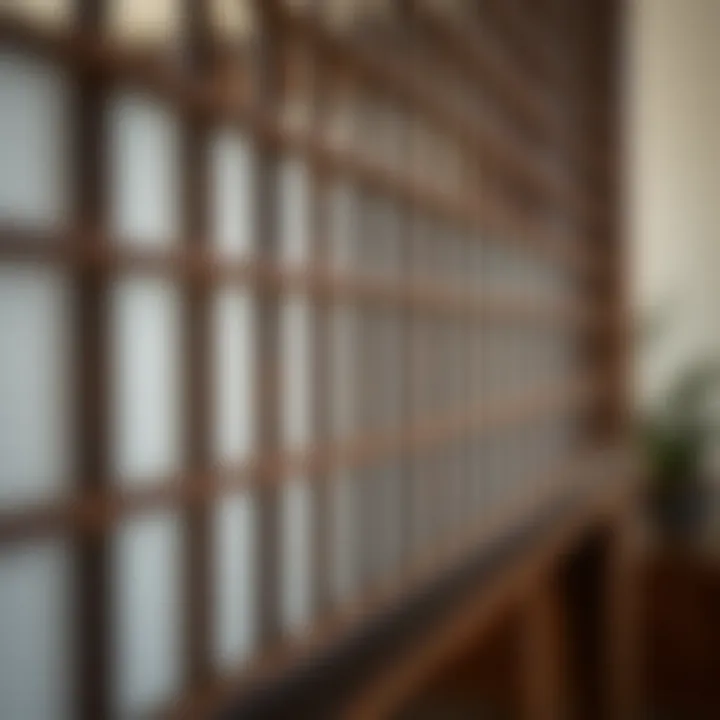
When it comes to wood types used for shoji dividers, various choices can substantially affect the overall character of the divider. Traditional options such as cedar or pine are popular due to their natural beauty and lightness. Cedar, known for its durability, resists warping and moisture, making it a favored pick in diverse climates. Pine, on the other hand, is more affordable, allowing wider accessibility, but may require more maintenance over time.
A unique feature of using wood is its warmth and ability to add coziness to a room. However, wood types may also have disadvantages, such as susceptibility to dents or scratches if not treated properly.
Paper Choices
The paper utilized in shoji dividers holds significant importance as well. Washi paper is a common choice, celebrated for its translucency and aesthetic appeal. This type of paper diffuses light beautifully, creating soft illumination in spaces. Additionally, washi paper can be customized with various patterns or colors, allowing for personal expression in design.
One downside is that paper can wear out faster than other materials, necessitating occasional replacement. This aspect contributes to its unique charm, as the choice of paper can transform the ambiance with changing seasons or trends.
Frame Construction
The frame construction of shoji dividers can markedly influence their strength and versatility. Typically, wooden frames are crafted with precision to hold the delicate paper panels securely. The joints and connections often exhibit traditional craftsmanship, highlighting the artistry involved in their creation.
A well-constructed frame not only supports the structure but also enhances overall style through various finishing options. However, some frames may be heavy, impacting mobility, especially if portability is a desired feature. This balance between durability and ease-of-use is essential in selecting the right shoji room divider.
Aesthetic Styles
Traditional Designs
Traditional designs of shoji dividers embody a rich heritage that resonates with historical significance. Characterized by simple, clean lines, these designs often feature minimal embellishments and focus on functionality. Their form aligns well with Japanese aesthetics, promoting a sense of tranquility and simplicity in space.
The authenticity of traditional designs is a huge selling point, attracting those who appreciate cultural craftsmanship. However, some may find these designs limiting in terms of personalization, as they tend to adhere closely to established styles.
Contemporary Variations
Contemporary variations of shoji dividers bring a fresh breath to an age-old concept. These designs might incorporate innovative materials such as acrylic or even metal, providing a modern twist that appeals to diverse tastes. The aesthetic can be bolder, featuring striking patterns, vibrant colors, or even mixed-media art, making them a focal point in any room.
Such flexibility in design makes contemporary options appealing for homeowners looking to express individuality. The challenge, however, lies in ensuring these modern variations maintain the essence of the traditional shoji while still catering to modern lifestyles.
Custom Options
Custom options for shoji dividers allow for unparalleled creativity and personalization. Homeowners can tailor dimensions, colors, materials, and even patterns to sync harmoniously with their existing decor. This possibility empowers individuals to create unique dividers that serve their specific space requirements.
A remarkable advantage here is the ability to fashion a truly bespoke piece, whether for a home or a commercial space. The downside could be the potentially higher costs and longer production times associated with customized orders, but for many, the result is well worth the investment.
Practical Applications of Shoji Room Dividers
Shoji room dividers serve more than just an aesthetic purpose; they are practical tools that can significantly transform spaces. As designs evolve, so do the ways we utilize these dividers in both residential and commercial settings. The following sections explore how shoji room dividers fit into modern living scenarios and their ability to maximize functionality while adding beauty.
Space Management
Open Concept Living
Open concept living has gained popularity, as more homeowners embrace spacious designs that promote fluidity. These designs often align various functions within one large area, connecting kitchens, dining rooms, and living spaces seamlessly. The beauty of shoji room dividers in such layouts is their ability to introduce an extra layer of versatility.
The key characteristic of open-concept living is the unobstructed flow between spaces, fostering connectivity. However, this design could feel overwhelming or chaotic without some form of organization. Shoji dividers can deftly carve out zones, offering subtle delineation without detracting from the openness. This capability makes them a preferred choice among those seeking a sophisticated balance.
Additionally, structural aspects like flexibility and portability stand out. Instead of permanent walls, which can make a place feel cramped, shoji dividers can be repositioned or adjusted according to changing needs and preferences. However, some may note that, unlike load-bearing walls, these dividers are not soundproof, which could limit privacy and quietness in a busy household.
Creating Privacy Zones
In contrast, the need for privacy is another strong reason to integrate shoji room dividers within spaces, especially in homes with multiple occupants. Creating privacy zones is vital to providing residents personal space while maintaining a sense of openness. The ability to create separations using shoji dividers allows each area to serve its purpose distinctively.
The main advantage of these dividers is their lightweight and movable feature. They allow for the division of spaces that must occasionally function independently—like turning a shared office into an isolated workspace when needed or creating a reading nook in a larger lounge area. Shoji room dividers seamlessly adapt to various scenarios without the permanence of more traditional solutions.
Despite their benefits, there are few downsides to consider as well. While they successfully block sightlines, they don't always provide complete sound insulation. Homeowners should be aware that if noise reduction is paramount, they may need to explore additional soundproofing measures. Nevertheless, for most homeowners and practitioners, the balance of form and function achieved through shoji room dividers is well worth it.
Enhancing Natural Light
Natural light is a coveted element in interior design, influencing mood and aesthetics. Shoji room dividers shine in this department, as they allow light to flow through while providing some degree of separation. Their innovative lattice frameworks, often filled with translucent paper, create a breathtaking interplay of light and shadow that can enhance the ambiance of any room.
The way shoji dividers filter sunlight adds an ethereal quality, inviting the outdoors in. Unlike heavy curtains or solid partitions that can create a boxed-in feeling, shoji dividers preserve a sense of airiness. This characteristic is particularly beneficial in dwellings that crave a calming environment, like a meditation space or a serene reading room.
Moreover, employing shoji room dividers can help maintain a consistent lighting scheme throughout the space. Homeowners can strategically position them to cast gentle shadows or diffuse harsh sunlight, creating a visually appealing environment that evolves throughout the day.
In summary, understanding the practical applications of shoji room dividers can greatly enrich the design and function of modern interiors. By managing space, creating privacy, and enhancing natural light, these elements serve as both art and utility, supporting a harmonious lifestyle.
Choosing the Right Shoji Room Divider Stand
When it comes to choosing a shoji room divider stand, several essential factors should be at the forefront of any decision-making process. It's not just a matter of aesthetics; the right divider can dramatically affect both the functionality and the flow of a space. Unpacking these key considerations can be enlightening, as they encompass size, scale, and functionality—all vital aspects that can tailor the solution to your specific needs.
Size and Scale Considerations
The dimensions of your chosen shoji divider stand can make or break the harmony of your interior design. If you think about it, a towering divider in a cozy, compact room could create an overwhelming atmosphere—a bit like trying to fit an elephant into a bathtub, if you will. Conversely, a diminutive divider in a spacious area may seem lost, as if it decided to take a holiday in an endless expanse of nothingness.
Consider the following:
- Measure the Space: Start by measuring the height and width of the area where you intend to place the divider. This will help you visualize how it fits and gives you a reference point while browsing options.
- Proportionality is Key: Keep in mind the proportion of other furniture and fixtures in the room. A balance among these elements is vital to achieving an inviting space.
Functionality and Mobility


After sizing up the room, you'll next want to mull over the functionality and mobility of the divider. Shoji room dividers are known for their versatility, and selecting between fixed or portable options depends on how you envision utilizing the space.
Fixed vs. Portable Options
When you consider whether to go for a fixed or portable option, each choice presents its own set of pros and cons. Fixed dividers may offer more stability and can often be designed to integrate seamlessly with the rest of the decor. However, they lack mobility—once set, they tend to stay put.
On the other hand, portable options are a flexible choice, allowing for rearrangement or repositioning as needs change. This adaptability can be especially useful for homeowners or designers working in multifunctional spaces. Imagine needing to convert a home office into a guest room within hours!
Key points to think about:
- Stability: Fixed options provide a sturdy anchoring point that is unlikely to topple, while portable dividers may wobble if accidentally bumped.
- Aesthetic Cohesion: Consider how each type visually blends with the room's existing decor; fixed options typically integrate better, while portable choices can sometimes disrupt the flow.
Ease of Movement
Mobility isn't just about portability; it encapsulates how easily you can rearrange or utilize the divider based on your needs. In spaces where quick changes are a priority—like during a gathering or meeting—a divider that is easy to move can be a game-changer.
A good feature to look for in portable dividers is lightweight construction paired with built-in handles or wheels. These make for effortless transitions, letting you pivot from an open layout to a more intimate setting without breaking a sweat.
When evaluating ease of movement, consider:
- Weight: Lighter dividers can be moved with minimal effort, which is especially beneficial for older adults or anyone who may struggle with heavier objects.
- Design Features: Look for options that come with caster wheels or collapsible frames, which enhance both flexibility and usability.
Styling with Shoji Room Dividers
In today's dynamic living environments, the way we style our spaces speaks volumes about our personality and lifestyle. Shoji room dividers, with their unique blend of traditional charm and modern functionality, are an exceptional choice for enhancing both the aesthetics and practicality of any room. Understanding how to effectively style with these dividers can transform dull spaces into harmonious sanctuaries.
Complementing Existing Decor
When considering how to integrate shoji room dividers into your home, it’s essential to keep in mind the existing decor. They can either blend seamlessly or stand out as a feature piece. The versatility of materials, such as wood and rice paper, lends itself to various interior styles, from minimalistic to rustic. For example:
- Color Coordination: Selecting a shoji divider that matches or complements the color palette of your room can create a cohesive look. A dark wood frame can add depth to lighter spaces, while lighter colors can brighten a more ornate setting.
- Texture Plays: The delicate texture of the rice paper screen contrasts beautifully with sturdier materials like leather or metal furniture. This interplay creates a balance that draws the eye without overwhelming the senses.
- Cultural Fusion: Incorporating decorative items from various cultures alongside shoji dividers can create an interesting aesthetic. Imagine a Japanese lantern paired with a contemporary shoji screen, creating a bridge between histories and styles.
Creating Visual Focal Points
Visual focal points help anchor a room, making it both functional and inviting. Shoji dividers can act as a captivating centerpiece. Here’s how:
- Strategic Placement: Positioning a shoji divider near a window can filter natural light, casting beautiful shadows on walls and floors. This not only adds depth to the space but also invites an organic element into the decor.
- Art Display: Attaching art or decorative elements on the shoji divider itself can create a gallery-like feel. Choose light and artistic hangings that won't burden the structure, turning it into a unique canvas.
- Layering: Consider layering the shoji divider with other decorations. Draping light fabric or hanging an intriguing piece of art behind can enhance its role as a visual focal point, drawing eyes and often sparking conversation.
"The right room divider does more than just split space; it enhances the entire atmosphere of the room."
In summary, styling with shoji room dividers is a realm of endless possibilities. The thoughtful integration of these elements into your decor not only respects the cultural significance of shoji designs but also elevates the aesthetic appeal of your living space. By combining color, texture, and strategic placement, you can create a harmonious environment that reflects your personal style.
Installation and Maintenance
Understanding the installation and maintenance of shoji room dividers is crucial for anyone looking to incorporate these elegant pieces into their spaces. The right installation ensures the dividers function as intended while adding aesthetic value, and proper maintenance guarantees their longevity and appearance over time. Getting these elements right can save one a lot of hassle later on, so diving into this topic is certainly worth the effort.
Installation Guide
Tools Required
To install a shoji room divider, one must gather the necessary tools. Typically, you will need a tape measure, level, drill, and some screws. A stud finder may also come in handy if you're securing the divider to the wall.
The key characteristic of these tools is their ability to ensure precision. For instance, a tape measure helps in taking accurate measurements, while a level guarantees that your divider stands straight. Choosing these tools is quite beneficial for the project because errors in installation can lead to a wobbly divider that detracts from the aesthetics.
A unique feature of using a stud finder is its ability to locate wall studs, providing a solid anchor point for mounting. This feature has its advantages, like enhanced stability, but it can be less effective in homes with unconventional wall structure, which some homeowners may face.
Step-by-Step Process
The step-by-step process for installing a shoji room divider generally begins with measuring the space where it will be placed. First, ensure that your measurements match the divider's dimensions. Next, mark where you want the divider to go, using a level to draw a straight line. This step is crucial because a crooked divider can spoil the whole look of a room.
After that, drill the screws into the marked spots, securing the divider in place. The clarity of this process is its real charm; it does not require complex techniques. One attractive aspect of this method is its simplicity, as it is easily followable by both professionals and DIY enthusiasts. However, the only downside may be that inexperienced hands could overlook key measurements, leading to misalignment.
Care and Maintenance Tips
Maintaining shoji room dividers is as important as installing them, ensuring they look fresh and unobstructed by dust and wear. Proper care can significantly enhance their life and appearance.
Cleaning Techniques
When it comes to cleaning techniques, a gentle touch is necessary. Typically, a soft cloth is sufficient to wipe away dust and grime. If more thorough cleaning is required, a mild detergent mixed with water can do wonders. It is advisable to avoid harsh chemicals, as they can deteriorate the delicate materials used in shoji dividers.
This cleaning method stands out for being gentle yet effective, which is a plus when dealing with intricate patterns or historical pieces. However, there’s a caveat: over-scrubbing may cause damage, so the unique feature here is knowing when to stop.
Avoiding Damage
To specifically avoid damage, one should pay attention to the placement of shoji dividers. It's wise to keep them away from direct sunlight, as prolonged exposure can fade colors and weaken the paper. Additionally, keeping heavy objects or sharp items away from these dividers prevents accidental tears or bends.


The key characteristic of this preventative measure is its proactivity—taking steps now can save you from hefty repair bills later. It’s a smart choice, especially for those who wish to maintain the integrity of their unique pieces. The downside, though, is that it may require adjustments in décor positioning, which can be inconvenient.
Proper installation and regular maintenance are imperative for enjoying the elegance and functionality of shoji room divider stands for years to come.
Comparative Analysis with Other Room Dividers
In the realm of interior design, the options for dividing spaces are plentiful. However, when taking a closer look at shoji room dividers, it becomes crucial to compare their functionality and aesthetics with other dividing solutions. Understanding the pros and cons in contrast to alternatives like fabric partitions and sliding doors helps inform homeowners and designers alike in their selection process.
Versus Fabric Partitions
Fabric partitions, often seen in modern offices or temporary setups, present a different aesthetic and functional use when compared to shoji dividers. While fabric options can offer bright colors and easy portability—a significant advantage for flexible workspaces—they lack the traditional elegance and slipstream aesthetics inherent to shoji designs. Here are some considerations:
- Visual Appeal: Shoji room dividers boast a timeless aesthetic with their wooden frames and paper screens, promoting tranquility that fabric may not replicate.
- Durability: Generally, shoji dividers are more robust, standing up to wear and tear better than fabric, which can stain or tear easily over time.
- Illumination: The translucent paper of shoji dividers allows soft light to filter through, creating a calming atmosphere, whereas fabric partitions usually block light, which can darken spaces.
Ultimately, while fabric partitions offer flexible styling for transient needs, they may fall short in delivering the same cohesive aesthetic and ambiance as shoji room dividers can provide. The culmination of durability, design, and softness of light makes shoji a compelling choice when one wishes to sustain elegance and functionality simultaneously.
Versus Sliding Doors
Sliding doors are a popular option, especially in smaller homes. They efficiently save space while serving the primary function of separation. However, they come with a unique set of characteristics that differentiate them from shoji room dividers:
- Space Efficiency: Sliding doors ingeniously require no swing space, making them a favorite in tight layouts. Shoji dividers, while versatile, need a bit more room to operate depending on the setup.
- Accessibility: Sliding doors often integrate well with existing frames and may offer enhanced closure options for absolute privacy. In contrast, shoji dividers tend to remain more open, promoting a softer yet exposed layout.
- Stylistic Integration: Sliding doors can echo modernism or minimalism with various materials like glass and metal. Shoji dividers, however, lean towards a traditional vibe that might clash with contemporary decor if not carefully selected.
"When choosing a room divider, it’s not just about the line you draw in the sand, but the atmosphere and the story it tells in your space."
Each option presents its distinct advantages, and carefully considering the intended atmosphere and practical needs will guide the ultimate decision. For further reading on interior design principles, you can explore resources from Wikipedia or Britannica.
Ultimately, the journey of selecting room dividers should engage both practical minds and artistic spirits, leading one to the right choice for their unique environment.
Innovative Trends in Shoji Room Dividers
In recent times, the world has seen a significant evolution in the design and implementation of shoji room dividers. This modernization brings with it both innovative aesthetics and practical conveniences that homeowners and designers find increasingly essential. Embracing these trends means acknowledging the balance between tradition and the latest technologies. In this section, we will delve into two major trends impacting shoji dividers today: sustainable practices and digital design influences.
Sustainable Practices
Environmental consciousness can no longer be an afterthought when it comes to interior design. Shoji room dividers crafted from sustainable materials are gaining popularity as consumers become more aware of their ecological footprint. When considering wood types, for instance, many manufacturers are turning to bamboo and reclaimed wood, both of which offer renewability and lower impacts on the environment.
Moreover, these eco-friendly materials often come with their own unique character. The natural grains and textures in every piece add depth to any room. Integrating shoji dividers made from sustainable resources not only contributes positively to the planet but also resonates with consumers who seek authenticity and craftsmanship. This trend isn't just about aesthetics; it's a statement of values that reflects a commitment to the environment, merging functional beauty with responsible choices.
Digital Design Influences
The intersection of technology and design has unlocked a new realm of possibilities for shoji room dividers. Digital tools allow for intricate designs and precise measurements that were once arduous and time-consuming when done manually. Let's discuss two critical aspects here: 3D printing and customization technology.
3D Printing
3D printing has forever altered the landscape of design. It allows for the creation of unique shapes and intricate patterns that may be impractical with traditional manufacturing methods.
One key characteristic of 3D printing is its ability to produce lightweight structures. This is particularly beneficial for shoji dividers since the final product can retain elegance without sacrificing ease of use. Homeowners appreciate that these dividers can be designed to fit specific space requirements, ensuring both form and function come together seamlessly.
The versatility of 3D printing does come with some challenges. While the initial costs can be higher, the long-term benefits might outweigh these, especially for bespoke designs. The technology streamlines production processes, which can lead to reduced material waste.
"3D printing encapsulates a future where creativity knows no bounds, making it an attractive option for shoji room dividers that cater to diverse tastes."
Customization Technology
Customization plays a vital role in personalizing the aesthetics of shoji room dividers. Advanced software enables designers to collaborate closely with clients, allowing for adjustments in size, design, and materials according to individual preferences.
This trend highlights the bespoke nature of modern interiors. Customers are no longer confined to standard options; instead, they can select colors, patterns, and features that resonate with their own insights about style and functionality. This advantage positions customization technology as a significant asset in crafting shoji dividers.
However, it does come with its own set of considerations. The process might require more time compared to standard manufacturing processes, and costs can increase based on the complexity of the customization requested. Nonetheless, the end results often manifest a distinctly personal touch that echoes the homeowner's vision.
Overall, the transformative nature of these innovative trends in shoji room dividers demonstrates how the blend of sustainability and technology serves to enrich spaces both functionally and aesthetically.
Epilogue and Future Considerations
As we draw to a close, it's essential to reflect on the significant role that shoji room dividers play in modern spaces. These dividers are not just functional partitions; they offer a unique blend of beauty and utility that can elevate both residential and commercial interiors. The theme of practicality and aesthetics has been intricately woven throughout this exploration, showcasing how these traditional elements adapt beautifully to contemporary needs.
Revisiting the Role of Shoji Dividers
The traditional shoji room divider serves multiple purposes that are still relevant today. At their core, they maintain the age-old tradition of separating spaces subtly and elegantly. Homeowners and designers alike often appreciate how shoji dividers allow for the desired amount of privacy without entirely closing off areas. They maintain an airy ambiance, letting light filter through while providing separation.
While their primary function leans towards space management, the visual appeal of shoji dividers cannot be overlooked. The delicate paper screens and wooden frames create a soft aesthetic, which can soften the harsher lines found in modern design. Their versatility allows for integration into various styles, whether it's a traditional Japanese interior or a minimalist modern home. This adaptability reinforces their importance in current design philosophies, merging Eastern elegance with Western functionality.
Another aspect worth considering is how these dividers can be effectively utilized in various settings beyond homes. In offices, shoji dividers can create peaceful workspaces that promote focus while adding a layer of cultural richness. They can also be deployed in cafes and restaurants to create intimate dining experiences without losing the overall spaciousness of a room.
Inviting Future Innovations
Looking ahead, the future of shoji room dividers is ripe with potential for innovation. As sustainability becomes a core consideration in design, many manufacturers are exploring eco-friendly materials and practices. For instance, bamboo and reclaimed wood are increasingly used to create shoji dividers that align with environmentally conscious values.
On the tech front, digital advancements such as 3D printing are poised to revolutionize how these products are made. Customization can take center stage, allowing users to design dividers that fit their precise specifications and decorative preferences. Imagine a shoji divider that integrates built-in LED lighting or incorporates smart glass that can change opacity at the touch of a button, ensuring that both privacy and aesthetics are maintained effortlessly.
Furthermore, the integration of traditional craftsmanship with modern technology invites a new appreciation for artistic designs that are dynamic and functional. As design trends continue to evolve, the innovation surrounding shoji dividers will likely adapt, ensuring that these timeless pieces remain relevant in an ever-changing interior landscape.
In summary, as we recognize the ongoing relevance of shoji dividers in modern design, we also embrace the possibilities that lie ahead. This delicate balancing act of tradition and innovation encourages homeowners, designers, and enthusiasts alike to explore and experiment with these charming elements in their environments. The journey into the worlds of practicality and aesthetics with shoji dividers is far from over, and the skyline of possibilities continues to expand.