
Exploring Ceiling Lights: Design and Functionality


Intro
In the world of interior design, lighting often sits in the background, almost like a house cat that quietly observes rather than actively engages. Yet, like that unnoticed feline cornering the sunlight, ceiling lights hold significant sway over a room's character. They aren't just fixtures dangling from the ceiling; they're a vital blend of aesthetics and functionality that can radically transform an environment. This article will shine a light on ceiling lights, dissecting their various types, styles, and the practical implications intertwined with each choice.
By understanding how ceiling lights contribute to both mood and practicality, homeowners and designers can better navigate the intricate choices ahead. Whether you're rejuvenating a cozy nook or designing an expansive living space, the ceiling light serves as a cornerstone in your design journey, setting both tone and functionality for the entire area.
Design Inspiration
While selecting a ceiling light, it helps to draw inspiration from current trends, furniture styles, and the overall color palette. This will not only aid in achieving a cohesive look but also ensure your lighting choices resonate with the intended vibe of the space.
Trending Furniture Styles
From minimalist Scandinavian designs to the bold and intricate patterns of mid-century modern furniture, contemporary styles have undoubtedly shaped lighting trends. Here are some styles:
- Minimalist: Sleek, simple fixtures enhance the clean lines of minimalist furniture, offering a sense of open space.
- Industrial: Think wrought iron and exposed bulbs. This style complements raw textures, typically found in rustic or urban environments.
- Bohemian: Layered textures, mixed materials, and colorful elements are vital for this aesthetic, and playful ceiling lights that incorporate these features become integral.
- Classic: Traditional designs that feature ornate details or sleek finishes can evoke sophistication and timelessness, aligning well with classic furniture pieces.
Choosing a ceiling light that aligns with trending furniture styles will heighten the overall ambiance and ensure a well-coordinated space.
Color Palettes and Combinations
Color can either clash or complement, hence picking the right finishes and hues for your ceiling lights matters. Consider these elements:
- Warm Tones: These colors often promote coziness—think soft whites, gentle golds, and muted yellows—to foster an inviting atmosphere.
- Cool Tones: Blues, greens, and silvers can create a refreshing vibe, while brighter shades like teal and lime can invigorate a space.
- Neutral Base: Monochromatic schemes with shades of gray, beige, or pure white often work best with diverse design styles, allowing other decorative elements to shine.
As you consider your choices, remember that the color and finish of the ceiling light should harmonize with the diverse color schemes in the room.
Practical Advice
Selecting ceiling lights isn't just about style; practicality must also be at the forefront of your decision-making process. Here, we delve into furniture maintenance and space planning in relation to your lighting choices.
Furniture Maintenance Tips
Lighting plays an indirect but significant role in how often and how easy it is to keep your furniture clean. Here are a few points to ponder:
- Material Choice: Fixtures made of materials like glass or metal are often easier to maintain compared to textiles that can capture dust and grime.
- Positioning: Well-placed ceiling lights can illuminate dark corners, helping you keep spaces tidy. A well-lit room feels larger and more welcoming, increasing the likelihood of regular upkeep.
Space Planning Solutions
Good lighting is key in the concept of effective space planning. Consider these tactics:
- Layered Lighting: Use ceiling lights in conjunction with wall sconces and table lamps to create zones within larger rooms, enhancing functionality.
- Height Consideration: Depending on your room's proportions, adjustable suspension or flush mount lights allow flexibility in creating a visually dynamic space.
Implementing these principles not only improves your home’s aesthetics but also supports a more functional and enjoyable living environment.
Understanding Ceiling Lights
In any discussion about interior design, ceiling lights often sit at the top of the list when considering how to blend beauty and functionality. The significance of understanding ceiling lights transcends mere aesthetics; it shapes the entire ambiance of a space. The right lighting can make a room feel inviting or sterile, spacious or cramped. It accomplishes this through its various types, styles, and placements, impacting daily life and mood.
Definition and Purpose
Ceiling lights are fixtures installed directly to the ceiling of a room, aimed at illuminating the area beneath. To put it simply, they’re like the unsung heroes of home lighting. Not only do they provide essential light, but they also can act as key design elements that highlight architectural features or add flair to the space. The purpose of ceiling lights extends beyond their basic function:
- General Illumination: They provide the primary source of light for everyday activities.
- Focal Points: Certain designs, like chandeliers or pendant lights, can become focal points in a room, drawing the eye and adding interest.
- Space Definition: The choice of lighting can help define the purpose of spaces, create boundaries, or enhance separation in open-plan areas.
In essence, these lights play a crucial role in shaping how we perceive and utilize our living spaces. Understanding their purpose can elevate your design choices significantly.
Historical Evolution
The journey of ceiling lights reflects broader trends in technology and aesthetics. In ancient times, light was a scarce resource, and the earliest ceiling fixtures were simple torches or candles mounted to walls or ceilings. As humanity progressed, so did the understanding and usage of light.
By the 19th century, gas lamps began to replace candles, gradually evolving into electric lights by the late 1800s. This shift opened doors to creativity. From ornate chandeliers in grand halls to simplistic flush mounts in cozy homes, designs flourished. The 20th century saw the advent of minimalist aesthetics, where function often took precedence over form, leading to sleek and unobtrusive designs popular in contemporary spaces today.
"Lighting is not just a functional element; it's an art form that tells a story about the space it occupies."
The evolution of ceiling lights showcases not only advancements in materials and technology but is also a reflection of changing tastes and the desire for personalized, functional spaces. Today, lighting options are virtually endless, enabling every homeowner or designer to find fixtures that align with their vision, whether traditional, modern, or a mix of both.
Types of Ceiling Lights
Understanding the types of ceiling lights is crucial in a well-rounded lighting strategy. Each style not only offers different forms and appearances but also serves distinct functional roles in the environment. Proper selection can greatly enhance both the aesthetic appeal and utility of a space. For example, where one might place a luxurious chandelier can drastically shift the energy of a room compared to a more simplistic flush mount. Hence, diving into the various styles provides relatable insight and guidance for homeowners, designers, and decorators alike.
Flush Mount Lights
Flush mount lights sit snugly against the ceiling, making them an ideal choice for rooms with lower ceilings. This type of lighting is particularly favored in spaces where overhead clearance is paramount, such as hallways or bedrooms. The benefit of flush mounts lies in their versatility; they can blend seamlessly into the decor, providing necessary illumination without becoming a focal point. Additionally, they can accommodate a wide range of bulb types, including energy-efficient LEDs, which underscores their role in sustainable living.
Semi-Flush Mount Lights
Semi-flush mount lights offer a nice compromise between flush mounts and hanging fixtures. They typically feature a decorative base that attaches to the ceiling, while a portion of the light fixture hangs down. This style is well-suited for areas with moderate ceilings, adding a bit more character than its flush counterpart. Homeowners can choose from numerous designs, ranging from elegant to whimsical, making it an attractive choice for dining rooms or living spaces where ambiance is important.
Chandeliers
Rich in history and opulence, chandeliers remain a popular choice in many homes. Originally a fixture for illuminating grand halls, modern chandeliers are available in various styles, from classic to contemporary. Their intricate designs bring an element of sophistication to spaces. In addition, they are versatile; a modern chandelier can serve as a statement piece even in a minimalistic room, drawing the eye upward and creating a sense of grandeur. Homeowners should consider how a chandelier’s light can interact with surrounding elements, as softer bulbs can diffuse light beautifully for an inviting effect.
Pendant Lights


Pendant lights hang from the ceiling, offering a unique downward illumination. They work particularly well over kitchen islands, dining tables, or even in commercial settings where task lighting is essential. One can find pendant lights in a myriad of styles, colors, and materials, allowing for personal expression within the lighting scheme. Furthermore, grouping multiple pendants can create a captivating lighting feature that serves as both art and function. This flexibility makes pendant lights a favorite for those looking to create focal points in their design.
Recessed Lights
Recessed lights, or canister lights, are embedded into the ceiling structure, providing a clean, streamlined look. This method of mounting makes them suitable for contemporary interiors where a minimal aesthetic is desired. Their unobtrusive nature means they can be used effectively in various settings, from homes to offices. Importantly, recessed lights can be tailored for specific purposes, allowing for adjustable beams and dimming options to shape the mood of any room.
Track Lighting
Track lighting consists of a system of lights mounted on a track, allowing for flexibility in positioning and directionality. This system is ideal for illuminating art pieces, focal points, or general areas needing a bit extra light. One major advantage of track lighting is its ability to adapt as needs change; fixtures can be moved or added with minimal hassle. This adaptability makes it especially popular in spaces where versatility and ease of reconfiguration are valued.
"Choosing the right ceiling lights can completely transform your space, adding both style and functionality. Taking into account factors like ceiling height and desired ambiance can help guide your selection."
By exploring different types of ceiling lights, one can appreciate how various features help craft the atmosphere and function of a space. Whether it’s the practicality of flush mounts or the elegance of chandeliers, understanding the landscape of options is essential for effective lighting design.
Ceiling Light Styles and Design Considerations
Ceiling lights are not just practical fixtures; they possess the potential to elevate the aesthetics of a room significantly. The choice of ceiling light style offers a unique opportunity to showcase personal taste while enhancing functionality. Understanding various styles and design considerations can help homeowners, designers, and decorators create cohesive and inviting spaces. Choosing the right ceiling light style can transform the mood of a room, making it warm, welcoming, or energizing depending on the context.
Modern and Contemporary Styles
Modern and contemporary ceiling lights are characterized by sleek lines and minimal ornamentation. These designs often emphasize functionality and simplicity. They beautifully complement other modern furnishings, blending seamlessly into an environment that prioritizes clarity and openness. Examples include flat, disc-like flush mounts or pendant lights featuring geometric shapes.
- Benefits:
- Easy to integrate into modern homes.
- Clean design minimizes visual clutter.
- Offers versatility in various spaces.
One notable example is the use of LED strip lighting along recessed areas, providing a seamless glow without overpowering the room's decor. Modern styles cater to the practical needs of lighting while simultaneously allowing homeowners to express their style through innovative materials and forms.
Traditional and Rustic Inspirations
For those inclined towards nostalgia, traditional and rustic ceiling light designs draw from classic styles rooted in history. These fixtures often feature ornate details, such as wrought iron or vintage glass, evoking a sense of warmth and comfort. Often found in country-style homes or traditional settings, these lighting options can serve as focal points that enrich the storytelling of a space through their unique craftsmanship.
- Considerations:
- Pair with hardwood or brick accents for a cohesive feel.
- Opt for warm colored bulbs to enhance the traditional vibe.
- Vintage or antique-inspired fixtures can create a timeless ambiance.
Rustic chandeliers that use natural wood elements or lantern-style fixtures exemplify this aesthetic well, turning a plain ceiling into a stunning display of old-world charm.
Industrial and Minimalist Aesthetics
The industrial style, born from the transformation of warehouses and factories into residential and commercial spaces, presents a unique design language embracing raw materials and unfinished surfaces. Ceiling lights in this genre often feature exposed bulbs, metal surfaces, and rugged designs. Minimalism takes this one step further by focusing solely on essential elements without distractions.
- Key features of industrial designs:
- Utilizes materials like steel, iron, and concrete.
- Showcases utility without embellishment.
- Ideal for open spaces where bold statements are needed.
In a minimalist setting, a simple black pendant hung from an unfinished ceiling can create a striking look. These styles are perfect for creating urban settings and are particularly effective in loft-style apartments.
Eclectic and Artistic Designs
For the creative minded, eclectic and artistic ceiling light designs present an opportunity for self-expression. This style is characterized by unexpected combinations, vibrant colors, and unique forms. These fixtures often serve as conversation starters, embodying a mix of influences that can depict a homeowner's personality or experiences.
- Highlights of this approach:
- Utilizes bold patterns or sculptural forms.
- Encourages homeowners to mix and match styles and materials.
- Can transform a mundane ceiling into a captivating art piece.
Consider a colorful mosaic pendant light or a whimsical ceiling fixture made from repurposed materials. Such designs break away from conformity and can truly enhance an eclectic decor theme.
The right ceiling light is not just about illumination; it's about creating the atmosphere and enhancing the identity of your space.
Selecting the right ceiling light style involves weighing personal preferences alongside the overall design of a home. By considering these various styles and their implications, one can harmonize lighting functions with aesthetic aspirations, achieving a well-rounded interior design.
Material Considerations for Ceiling Lighting
When it comes to ceiling lighting, the materials chosen can have a profound impact on both design and functionality. Selecting the right material is pivotal not just for the look but for how well the light fixtures perform in a given space. Here, we explore various material options available, examining their advantages, drawbacks, and ideal applications.
Metallic Finishes
Metallic finishes have long been a staple in lighting design. Their reflective qualities can bounce light around the room, enhancing brightness and depth. Moreover, metals like brass, chrome, or copper can add both elegance and a contemporary aesthetic to any ceiling light fixture.
One of the primary benefits of using metallic materials is their durability. Metals are typically resistant to wear and tear, making them a practical choice for high-traffic areas. However, maintenance should not be overlooked, as they can show fingerprints and dust easily. Also, consider the following points when opting for metallic finishes:
- Warmth vs. Coolness: Brass provides warmth, while chrome offers a cooler, modern feel.
- Compatibility: Ensure the metallic finish matches other hardware in the space to create a cohesive look.
Combining metallic elements with other materials can lead to unique designs. For instance, a wrought iron chandelier with glass accents can balance rustic charm with modern flavor.
Glass Elements
Glass elements in lighting can introduce a variety of benefits. From frosted to clear, colored to smoked, the type of glass can significantly change a fixture's appearance and the way light is diffused through the space. Glass often serves to soften light, creating a warm, inviting atmosphere.
Additionally, glass is versatile and complements almost any design style—from sleek and modern to vintage and ornate. Importantly, glass tends to be easy to clean, though it can be fragile. When considering glass elements, take note of the following:
- Style Matching: Choose glass shades or bodies that align with your overall décor—be it contemporary, traditional, or something in between.
- Light Bulb Type: Ensure compatibility with the light bulbs you plan to use, as some glass fixtures may limit the bulb types available.
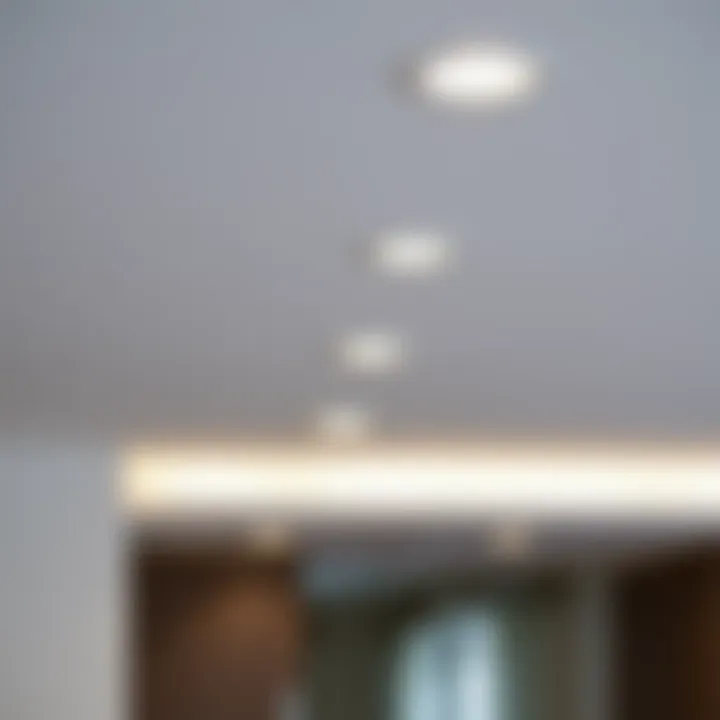
In many cases, glass fixtures can also play a dual role, acting as a work of art and a light source. A hand-blown glass pendant light, for example, can serve as a stunning centerpiece in a dining area.
Wood and Organic Materials
Wood and organic materials offer an earthy alternative to traditional lighting options. They can introduce warmth and texture, bringing a natural vibe into a space. Fixtures made with reclaimed wood or bamboo are particularly appealing to sustainability-conscious homeowners looking to integrate eco-friendly elements into their design.
A wood fixture can align beautifully with rustic or farmhouse styles, creating a soothing ambiance. However, the main drawback is that wood can require more maintenance than metal or glass, especially in moisture-heavy areas like kitchens or bathrooms. Here are some things to consider:
- Sustainability: Use responsibly sourced wood to support environmentally friendly practices.
- Finish Types: Oiled, varnished, or painted woods each create different looks and levels of protection.
Natural materials like rattan or wicker can also be used, bringing in lightness and an organic feel, perfect for more casual settings.
Fabric and Textiles
Fabric and textiles in ceiling lighting can soften the harshness of direct light and add additional texture and color to a room. Fabric shades can disperse light evenly while allowing for creative patterns and colors that help maintain visual interest. From linen to cotton, the type of fabric used will influence both the durability and the warmth the fixture gives off.
One of the clearest benefits of using fabric is the ability to customize. You can easily update a space's look by changing out fabric shades as trends evolve or your tastes change. However, fabric can attract dust and require periodic cleaning. Here are some factors to weigh:
- Design Flexibility: Fabric can provide more options for design themes, making it easier to match with existing decor.
- Light Filtering: Different fabrics will filter light differently; consider this when making your choice to ensure the ambiance matches your intended use.
When aimed at enhancing overall design, integrating various materials creates not just a practical lighting solution, but also elevates the artistry of a room.
"Choosing the right materials for ceiling lights is crucial, as it speaks volumes about your style while ensuring functionality."
Understanding these material considerations can arm homeowners and designers with the necessary insights to effectively elevate their lighting schemes, ensuring their choices align with their design vision and practical needs.
Practical Lighting Considerations
When diving into the world of ceiling lights, practical lighting considerations play a pivotal role in ensuring that your spaces are not only beautifully illuminated but also functional and welcoming. This segment underscores crucial aspects such as brightness, energy efficiency, and proper placement that contribute to the overall efficacy of lighting in various environments.
Choosing the Right Brightness
Understanding brightness is paramount. Insufficient lighting can make a room feel smaller and less inviting, while overly bright spaces might seem harsh and unwelcoming.
It's beneficial to think about the purpose of each room. For instance, a cozy living room would require a softer illumination than a workspace, like an office, where brighter light enhances focus and productivity. Here are some guidelines to consider:
- Lumens over Watts: Instead of focusing on wattage, which indicates energy use, consider lumens for brightness. For a living room, anywhere from 1,500 to 3,000 lumens is typically ideal.
- Layered Lighting: It's best to combine various lights—ambient, task, and accent—to achieve the best brightness levels.
- Dimmer Switches: Installing dimmer switches is a smart way to adjust brightness according to the time of day or activity.
"Brightness isn’t just about seeing; it’s about feeling at home in your own space."
Energy Efficiency and Sustainability
Energy efficiency is no longer just a trend; it’s a necessary consideration that can significantly affect energy bills. Choosing the right lighting can decrease costs and promote a sustainable lifestyle. Here are several key points:
- LED Options: LED lights are known for their longevity and energy-saving qualities. They use a fraction of the energy of traditional incandescent bulbs and can last up to 25,000 hours.
- Smart Lighting: Innovations in smart lighting allow you to control your lights remotely, set schedules, and even adjust the brightness based on natural light availability, promoting sustainability.
- Recyclable Materials: When selecting fixtures, consider options made from recyclable or sustainable materials, which reduce environmental impact over time.
Placement and Installation Tips
Locating your ceiling lights effectively can have a transformative effect on the space. Here are some vital considerations for placement and installation:
- Height Matters: Ensure that fixtures are hung at an appropriate height; typically, 7 to 8 feet is standard for flush mount fixtures to avoid head bumps.
- Spacing: For recessed lights, a common guideline is to set them about 4 to 6 feet apart, depending on the room's size and the light's purpose.
- Functional Areas: Install brighter lights in areas where tasks are performed, like kitchens or offices, while using softer lights in relaxation spaces.
In summary, proper lighting considerations meld practicality with creativity, offering homeowners and designers alike the tools needed to enhance both the function and beauty of their spaces. With the right approach to brightness, energy efficiency, and placement, ceiling lights can significantly improve the ambiance and livability of a home.
Enhancing Ambiance with Ceiling Lights
Creating an inviting atmosphere in any space often hinges on strategic lighting choices, and ceiling lights play a pivotal role in this enhancement. They're not just functional sources of illumination; they shape the mood, define the character of a room, and make spaces feel more connected and fluid. Understanding how these fixtures can transform an environment allows homeowners and designers to curate experiences tailored to desired emotional responses.
Impact on Mood and Space Perception
The psychology of lighting is a subtle yet powerful aspect of interior design. The brightness, color temperature, and even the style of ceiling lights can drastically influence how a space is perceived and felt.
- Warm Lighting: Utilizing warm tones creates a cozy, intimate atmosphere, perfect for spaces like living rooms or bedrooms. Picture a softly glowing chandelier casting gentle light – it makes one want to curl up with a book or enjoy a glass of wine.
- Cool Lighting: Conversely, cooler light promotes alertness and energy. This is especially useful in areas like kitchens or home offices, where functionality and concentration are key. Think of recessed lights focused on work areas or bright pendant lights above a kitchen island.
Moreover, the height of ceilings and the choice of fixture can further influence the mood. For instance, a bold chandelier in a room with high ceilings can create a feeling of grandeur while drawing the eye upwards. On the other hand, flush mount lights are ideal in lower ceilings, optimizing space and ensuring that the overall environment feels open and airy.
"The proper light not just brightens a room; it brings warmth, heart, and a sense of belonging into each space."
Layering Light for Depth
Layering light involves combining different types of lighting—ambient, task, and accent—to create a rich tapestry of illumination. This method not only enhances a room's visual interest but also adds depth and dimension, making spaces feel vibrant and alive.
- Ambient Lighting: This is the overall glow that fills a room. Ceiling fixtures like chandeliers and ceiling-mounted lights often serve this purpose, providing the base layer of light.
- Task Lighting: For functions such as reading or cooking, specific spots require heightened illumination. Fixtures like pendant lights or recessed lights can be strategically placed to highlight these tasks without overwhelming the environment.
- Accent Lighting: This adds drama and highlights particular features, such as artwork or architectural details. It could involve spotlights directed at wall paintings or even stylish LED strips along shelves.
By mixing these layers thoughtfully, the space becomes more versatile. For instance, a dining room may have a bright flush mount as the base, with an attractive pendant providing focused light over the table while wall sconces offer accent lighting to enhance the overall atmosphere during gatherings.
Understanding these dynamics of light allows one to not just to illuminate but also to narrate a deeper story with their ceiling fixtures, crafting spaces that resonate with the inhabitants' lifestyle and preferences.
Trends in Ceiling Lighting Design
When it comes to interior spaces, lighting plays a crucial role. Trends in ceiling lighting design are not just about following the latest fads; they reflect shifts in how we understand functionality and aesthetics in our environments. Homeowners, designers, and decorators can benefit from keeping a pulse on these trends, as they can significantly influence the mood and usability of a space. From smart technology to eco-friendly solutions, the landscape of ceiling lighting is continuously evolving.
Smart Lighting Innovations
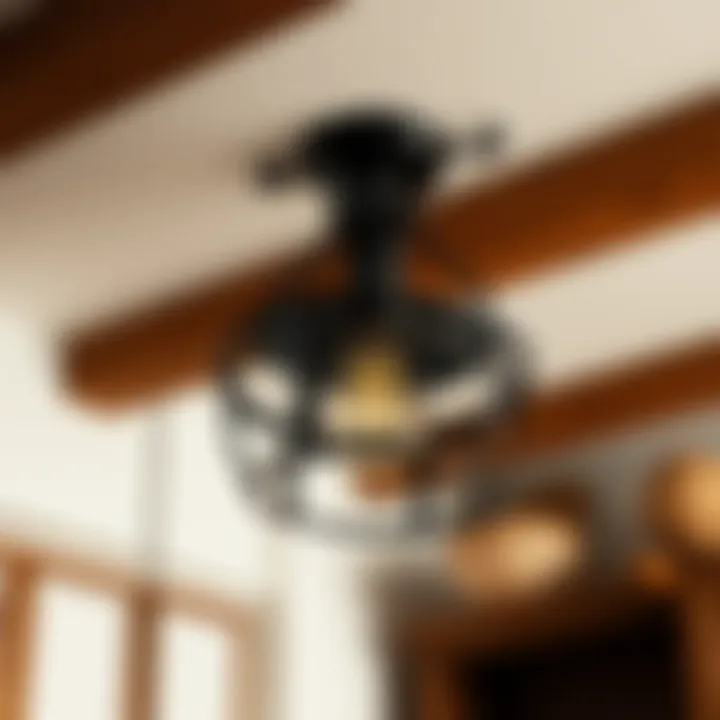
Smart lighting represents a leap forward in how we interact with our spaces. These systems go beyond mere illumination; they integrate technology to offer a range of customizable features that enhance our daily lives. Here are some of their benefits:
- Remote Control: Users can adjust brightness, color temperature, and even turn lights on and off from their smartphones.
- Energy Efficiency: Many smart lights use LED technology, which reduces energy consumption and costs in the long run.
- Mood Setting: Lights can change color according to various settings—think warm hues for dinner parties or bright white for focused work sessions.
- Integrated Schedules: Smart lighting can be programmed to adjust automatically based on your routine, ensuring your home is always well-lit when you need it.
Smart lighting is not just about convenience; it is an investment in a more sustainable and efficient future.
Considerations for Smart Lighting
When choosing smart lighting fixtures, keep in mind:
- Compatibility with Existing Systems: Ensure that new lights can communicate with any smart home platforms already in use, such as Google Home or Amazon Alexa.
- Installation Requirements: Some systems may require a hub or complex setup, while others offer a straightforward plug-and-play experience.
- Cost vs. Benefit: Weigh the initial investment against the long-term savings and functionality gained.
Sustainable Lighting Solutions
As awareness of environmental issues increases, so does the demand for sustainable lighting options. Sustainable lighting is about more than just using energy-efficient bulbs. It encompasses a broad range of considerations that reflect a commitment to the planet:
- Energy-Efficient Bulbs: Utilizing LED technology is one way to drastically reduce energy consumption.
- Use of Recycled Materials: Brands are increasingly designing fixtures with recycled or sustainable materials, minimizing waste in production.
- Durability and Lifespan: Products designed to last longer reduce the frequency of replacements, thus saving resources and diminishing carbon footprints.
- Natural Light Utilization: Designs that amplify natural light can also contribute to sustainability by reducing reliance on artificial sources.
In thinking about sustainable solutions, it's essential to consider the entirety of a product’s lifecycle. From production to disposal, every element impacts the environment. Opting for sustainable options is not just a trend; it's becoming a necessity in modern design practices.
The Future of Lighting Trends
Staying updated on trends in ceiling lighting not only assists in creating a visually appealing space but influences the functionality and sustainability of your home environment. The focus on smart technology and eco-friendly solutions presents opportunities for innovation. Homeowners are encouraged to blend these trends in their designs, ensuring spaces are both modern and responsible.
For more information on lighting innovations, consider exploring Wikipedia for a comprehensive overview of LED technology and its impact on modern lighting solutions.
DIY Ceiling Light Projects
The world of ceiling lights can often feel dominated by store-bought designs and standard models that lack personality. However, delving into DIY ceiling light projects opens a world of creativity and customization. These projects not only serve the practical need for lighting but also allow individuals to showcase their unique style and preferences.
Nurturing the desire to create something handcrafted brings an unmatched sense of satisfaction. Not only do these projects beautify your space, but they also add a personal touch that off-the-shelf products can't quite match. What’s more? Achieving a singular look can also save some bucks, as materials can be sourced inexpensively or even repurposed.
When embarking on a DIY project, there are a few key aspects to consider:
- Safety first: Always prioritize safety by ensuring proper electrical knowledge or consulting an electrician if needed.
- Materials: Think creatively about materials; the options are plentiful, from reclaimed wood to old lampshades.
- Skill level: Be honest about your skills. Some projects require more advanced techniques, while others are simple enough for a novice.
- Functionality: Ensure the design not only looks good but also meets your lighting needs.
Each project turns into a journey, transforming not just a light fixture but also the ambiance of a room. Here are two approaches that stand out in this DIY venture:
Crafting Unique Fixtures
Creating a distinctive ceiling light fixture allows for subtle lighting enhancements that align perfectly with your home’s decor. One of the more popular ways to craft your own fixture is by using simple materials like wood and metal pipe. By combining textures, such as pairing reclaimed barn wood with sleek metal, you can create a fixture that exudes both warmth and modernity.
Steps to Consider:
- Plan Your Design: Sketch out what you envision. Consider the dimensions and layout of your space.
- Gather Tools and Materials: Depending on your design, you’ll need basic tools such as drills and screwdrivers, along with your selected materials.
- Assemble Your Fixture: This could involve attaching light sockets to a wood panel or creating a sculptural form with items from a local hardware store.
- Install: Take your time with proper installation. Any mistakes could lead to safety issues.
This practical approach transforms everyday objects into eye-catching lighting solutions that can become talking points within your home.
Upcycling Vintage Lighting
Upcycling vintage lighting fixtures is a thrilling endeavor that speaks to sustainability consciousness while paying homage to design history. Finding old chandeliers or pendant lights at flea markets can be a treasure hunt. Given their often rich character and quality, these found pieces can be revitalized into stunning centerpieces with a bit of creativity.
What to look for:
- Condition: Ensure fixtures are sound and intact; minor wear can give character but structural integrity is key.
- Style Compatibility: Think about how a vintage piece will complement your existing decor—an ornate chandelier may clash in a minimalist space, for instance.
Steps to Upcycle:
- Clean and Assess: Remove any dust or grime, assessing which components might need a refresh.
- Repaint or Refinish: Sometimes all a vintage fixture needs is a fresh coat of paint or a polish.
- Replace Parts: If necessary, swap out lighting elements with modern LED bulbs to add efficiency.
- Showcase: Once revamped, hang the fixture where it can shine—in both a literal and decorative sense.
In summary, DIY ceiling light projects represent a blend of creativity and practicality, enabling homeowners and designers to express their identities while enhancing the atmosphere of their detailed spaces. These endeavors, whether through creating unique fixtures or breathing new life into forgotten vintage pieces, not only illuminate rooms but also transform the very essence of home decor.
Closure
The realm of ceiling lights holds significant importance in the broader scope of interior design. This article has delved into various elements surrounding ceiling lights, emphasizing their role not just as merely a source of illumination, but as vital components of aesthetic appeal and functionality. Homeowners, designers, and decorators alike must consider the multifaceted aspects of ceiling lighting, as they contribute to setting the overall atmosphere in any given space.
A key takeaway from our exploration is the understanding that choosing the right ceiling light transcends mere preference. It is about creating an environment that embodies comfort, style, and practicality. Different types of lighting fulfill unique needs; for instance, a flush mount light might offer a sleek, unobtrusive element in a modern space, while a chandelier could serve as a breathtaking focal point in a grand entryway.
"Lighting is the bridge between functionality and ambiance in any well-designed home."
Beyond aesthetics, energy efficiency also plays a crucial role in modern lighting decisions. As we move towards more sustainable living practices, selecting energy-efficient fixtures can not only reduce utility bills but also minimize one’s carbon footprint. This aligns with broader trends towards sustainable lighting solutions that prioritize environmentally friendly materials and designs.
Moreover, the ability to enhance ambiance through ceiling lights, as discussed in previous sections, illustrates their profound impact on mood and space perception. Striking the right balance between form and function can lead to spaces that are not only visually appealing but also comfortable and inviting.
In summary, a thoughtful approach to ceiling lighting selection is indispensable for anyone looking to enhance their living or working environment. From considering varying styles to understanding the necessity of energy-efficient options, the insights presented in this article equip readers to make informed decisions that will resonate in their everyday lives.
Recap of Key Insights
- Ceiling lights are key to interior design: They illuminate spaces while simultaneously enhancing style, mood, and functionality.
- Diverse lighting types: Each type offers different benefits and styles, from flush mounts to chandeliers, reflecting personal taste and room dynamics.
- Energy efficiency matters: Sustainable lighting options are becoming increasingly vital, helping homeowners save on costs and environmental impact.
Prominent modern designs often reflect a blend of minimalist styles with functionality, aimed at reducing clutter and maximizing visual space. Understanding that a ceiling light isn’t merely a fixture but a statement piece can refine one’s design approach considerably.
Future Directions in Ceiling Lighting
As we move further into the 21st century, the landscape of ceiling lighting continues to evolve, driven by consumer preferences and technological advancements. Here are some anticipated trends and developments in the world of ceiling lights:
- Smart lighting technology: The rise of smart home features will see an increase in the integration of ceiling lights with smart systems. These advancements offer improved control over brightness, timing, and even color, all managed conveniently through smartphones or voice commands.
- A move towards sustainability: Expect to see more brands embracing recycled materials and eco-friendly designs. As consumer demand shifts towards greener products, the lighting industry is likely to follow suit.
- Customization options: Consumers are increasingly seeking unique and personalized lighting solutions. Customization in design, materials, or features will gain traction as customers look to add a personal touch to their spaces.
- Mixed-material aesthetics: The combination of various materials, such as metal, glass, and wood, is likely to become more common, allowing for striking new designs that can appeal to diverse aesthetics.
These trends suggest that ceiling lights will not only remain functional but will also continue to serve as powerful design elements that reflect personal style and societal values. Homeowners and designers must stay ahead of these developments to create spaces that are not only current but also forward-thinking.