Exploring Used Wicker Furniture Sets for Your Home

Intro
Navigating the intricate world of used wicker furniture sets reveals a treasure trove of design aesthetics and functional advantages. Whether you're a homeowner searching for that perfect piece to complete your living room or a designer eager to infuse your project with an air of vintage charm, used wicker furniture can bring a unique touch. This segment explores the historical context of wicker, the diverse design styles it encompasses, and practical advice that can help integrate it seamlessly into various environments. When considering sustainability, the second-hand market not only offers financial savings but also promotes an eco-friendly approach, making it a wise choice for conscious consumers. In the following sections, we will dive into design inspiration, practical tips, and how to make informed decisions when selecting used wicker furnishings.
Design Inspiration
Trending Furniture Styles
The charm of used wicker furniture stretches far beyond its nostalgic appeal. As trends vacillate, wicker remains a steadfast choice due to its adaptability. From bohemian to coastal, and even mid-century modern styles, wicker seamlessly weaves into diverse interiors. Nowadays, the reclaimed look is gaining traction, allowing homeowners and designers to curate spaces that exude character.
- Bohemian Vibes: Think bold patterns and textures mixed with earthy tones. Used wicker chairs with vibrant cushion covers can enhance this relaxed aesthetic.
- Coastal Living: Soft blues and whites paired with weathered wicker offer a fresh, breezy atmosphere reminiscent of beach houses.
- Modern Minimalism: Clean lines and neutral tones can be punctuated with a single statement wicker piece to maintain a simple yet inviting space.
Color Palettes and Combinations
Selecting the right color scheme can amplify the beauty of wicker furniture. Unlike traditional wood pieces, wicker’s natural texture allows it to work alongside a variety of hues and materials. Consider these combos:
- Earthy Tones: Warm browns, greens, and muted yellows create a serene backdrop. Mixing different wicker pieces in these shades can foster a harmonious environment.
- Bold Contrasts: Deep navy or charcoal against light wicker can produce a striking visual impact, adding depth and interest to the room.
- Pastels: Soft pinks or mint greens alongside white wicker bring a playful, airy quality that’s perfect for nurseries or sunrooms.
Using color in your wicker decor can not only reflect your personality but also set the mood.
Practical Advice
Furniture Maintenance Tips
Maintaining the integrity of used wicker furniture is not a bewildering task. Here are some straightforward tips:
- Regular Dusting: Use a soft brush or cloth to keep dust at bay. Wicker is porous and can collect dirt easily.
- Moisture Control: Wicker does not fare well in damp conditions. Ensure proper ventilation to prevent mold growth.
- Repair Small Damage: It's not uncommon for wicker to fray or break. A little bit of clear glue can go a long way in keeping your furniture looking sharp.
Space Planning Solutions
Arranging wicker furniture can be an art in itself. Here’s how to maximize functionality while preserving aesthetic appeal:
- Anchor With Larger Pieces: Start with larger furniture, like a wicker sofa or a coffee table, and build your layout around it.
- Incorporate Variety: Mixing different styles and forms of wicker can add visual interest and avoid monotony.
- Utilize Vertical Space: In smaller rooms, consider taller wicker solutions, like shelves or stands, to keep the area open while still providing storage.
By understanding the rich history and versatile nature of used wicker furniture, along with practical tips, you can create beautiful spaces that are both stylish and sustainable. Embrace the charm of second-hand finds, and allow your unique sense of style to shine through.
Historical Background of Wicker Furniture
The significance of understanding the historical background of wicker furniture cannot be overstated. With a rich tapestry woven from ancient practices and cultural nuances, wicker furniture offers not just a place to sit but a slice of history itself. Grasping its evolution helps us appreciate not only the aesthetic quality but also the craftsmanship involved. This discussion will focus on how wicker has transformed over the ages, where it finds its roots, and what cultural connections it holds.
Early Uses and Evolution
Wicker furniture is far from a modern invention; it traces its origins back thousands of years. The word "wicker" itself is derived from the Old Norse word "vikkja," meaning to bend. Its early uses can be seen in various ancient civilizations, where people utilized natural materials such as reeds, grasses, and rattan. Typically, these materials were woven together to create baskets, mats, and even rudimentary furniture. For instance, in ancient Egypt, wicker chairs bearing intricate designs were a status symbol, reflecting not just utility but artistry. The crafting techniques evolved, adapting to local customs and available resources.
In medieval Europe, wickerwork gained significance, being employed extensively for household items. As time marched forward, wicker began to blend the line between utility and artistry. By the 19th century, particularly during the Victorian era, wicker furniture underwent a renaissance. Manufacturers began creating elaborate pieces that became synonymous with comfort and luxury, taking influence from the Arts and Crafts movement that valued handmade goods. The intricate weaving techniques and embracing of natural materials led to pieces that were not only functional but also beautiful.
Cultural Significance
Wicker furniture goes beyond mere aesthetics; it embodies cultural stories and traditions. In many communities around the globe, wicker weaving is a cherished skill passed down through generations. For example, in parts of Southeast Asia, specific types of wicker products are produced through traditional methods that reflect local customs and beliefs. In these cultures, creating wicker furniture can feel less like a job and more like an art form that carries the spirit of the people.
“In every piece of wicker furniture, there's a narrative spun in the strands, bridging the past and the present,” as enthusiasts often note. This connection to heritage plays a critical role in how wicker is viewed today. Its sustainability is rooted in the use of renewable resources, making it an eco-friendly choice for modern homeowners. Many designers recognize this cultural legacy and integrate it into their work, blending traditional techniques with contemporary designs to create something entirely unique.
The next time you consider the charm of wicker furniture, remember it's not just a household item; it’s a testament to craftsmanship, culture, and sustainability that has endured the test of time.
For those interested in diving deeper into historical aspects or the artistry behind wicker furniture, resources like Britannica and conversations on Reddit can provide further insights.
Types of Wicker Furniture
Wicker furniture, with its unique weaving techniques and diverse designs, captures the essence of comfort and style. Recognizing the various types of wicker furniture available not only helps homeowners and designers choose pieces that fit their aesthetic but also understand the practical purposes behind each design. From delicate indoor chairs to robust outdoor sets, being informed about the types can significantly impact both the functionality and ambiance of a space.
Traditional vs. Modern Designs
When delving into the world of wicker, one quickly realizes that traditional designs have a charm that recalls simpler times. These pieces often feature intricate weaves, showcasing craftsmanship that has stood the test of time. They might be embellished with ornate details, evoking nostalgia and a sense of warmth in any room.
On the flip side, modern wicker furniture leans towards sleek lines and minimalist approaches. Designers incorporate bold colors and innovative materials, making it a perfect fit for contemporary spaces. Whether one is drawn to the classic or the avant-garde, there’s a wicker piece fit for every style.
Some key differences between these designs include:
- Materials Used: Traditional wicker often employs natural fibers like rattan, while modern versions might incorporate synthetic materials for durability.
- Functionality: Modern designs prioritize usability, often being stackable or foldable, catering to smaller living spaces.
- Aesthetics: While traditional pieces celebrate ornate patterns, modern designs might focus on simplicity and monochromatic schemes.
Most importantly, the choice between traditional and modern designs hinges on personal preference. A living room adorned with a classic wicker set could evoke memories of family gatherings, while a sleek modern piece might complement a minimalist approach.
Indoor versus Outdoor Wicker
Choosing between indoor and outdoor wicker furniture is like picking a favorite type of cookie; it all comes down to your situation and taste.
Indoor wicker often focuses on comfort and style. These pieces might have softer cushions and are designed to create an inviting atmosphere inside your home. They typically don’t endure the same wear and tear as outdoor pieces, so they can feature more delicate designs. However, that doesn’t mean they lack durability. Many indoor wicker furniture items now come with protective finishes that help them resist fading from sunlight.
In contrast, outdoor wicker pieces are robust and weather-resistant. Made to withstand elements, they often utilize synthetic materials that can endure rain, wind, and UV rays without compromising integrity. When considering outdoor options, it's essential to look for items labeled as all-weather or outdoor-rated.
Here’s a breakdown of what to consider:
- Comfort: Indoor pieces may emphasize coziness, often featuring plush cushions, while outdoor selections might favor weather-proof designs with firmer seating.
- Durability: Outdoor wicker should withstand harsher conditions without falling apart or fading.
- Maintenance: Indoor furniture might have different cleaning requirements than outdoor sets, which need more frequent maintenance due to environmental exposure.
Benefits of Used Wicker Furniture Sets
The purchase of used wicker furniture sets can present a significant advantage for both aesthetic enhancement in a space and mindful consumption. This segment delves into two prominent attributes: sustainability and cost-effectiveness. Notably, these aspects resonate deeply with homeowners and designers who prioritize conscious consumer choices while still achieving a polished, stylish environment.
Sustainability and Eco-Friendliness
Utilizing used wicker furniture not only breathes new life into aging materials but also champions sustainability. By choosing pre-owned items, buyers significantly reduce the demand for new production, consequently lowering their carbon footprint. Wicker itself is often crafted from rattan, bamboo, or reed - materials that, when sourced sustainably, can be eco-friendly.
- Less Waste: Opting for second-hand furniture diminishes the volume of waste sent to landfills. Most of us know how important it is to minimize our contribution to environmental degradation.
- Resource Conservation: Every piece purchased ensures that fewer resources—such as water and energy—are expended in the manufacturing process. Each wicker item that is reused leads to less extraction of raw materials, reinforcing the cycle of sustainability.
- Unique Character: Additionally, used wicker carries a narrative. Each scratch or faded spot reflects a history that new furniture pieces often lack. Thus, when selected carefully, these pieces not only serve practical purposes but also enhance the story of a living space.
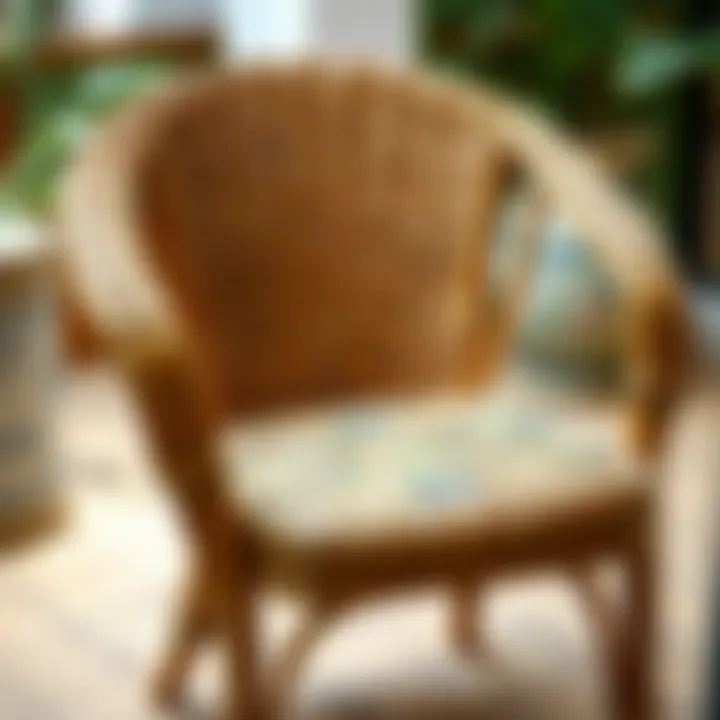
"The ecological impact of consumer choices is staggering. Each piece procured from thrift stores, local flea markets, or even online platforms contributes to a larger dialogue about responsible living."
Cost-Effectiveness
Investing in used wicker furniture can be notably friendlier to the pocketbook compared to purchasing new items. The savings can be considerable, which can ease the burden on budgets, allowing for more creativity when designing spaces. Here are some detailed points to consider:
- Lower Prices: Typically, pre-owned wicker pieces are priced significantly lower than their brand-new counterparts. This can be especially beneficial for those furnishing a larger space, where costs can accumulate quickly.
- Quality Over Quantity: Many vintage or second-hand wicker items are sturdily built, often using methods that are not found in contemporary mass-produced versions. This means you might spend less overall by needing fewer replacements in the long run.
- Potential for Value Appreciation: Some used wicker furniture may even increase in value over time. Unique styles might become sought-after due to their rarity, especially if the piece is marked by a well-known craftsman or era.
Utilizing used wicker sets not only showcases thoughtful decor but also aligns with meaningful living. As homeowners and designers speak about their philosophies in decorating, choosing such pieces speaks volumes about one's values and approach to consumption.
Assessing Quality in Used Wicker Furniture
When venturing into the realm of used wicker furniture, discerning the quality of your potential purchases is paramount. The longevity and aesthetic appeal of these items heavily depend on their construction and condition. As this article explores the landscape of used wicker furniture sets, understanding how to assess quality offers a wise approach, ensuring you’re investing in pieces that will withstand the test of time.
Identifying Sturdy Construction
A well-constructed wicker piece can make a world of difference. First off, you’ll want to examine the frame that supports the wicker. A sturdy base, often made from a combination of wood or metal, provides stability. If the frame is warped or shows signs of decay (like soft spots or cracking), it’s probably not worth your time or money.
When assessing old wicker sets, look out for the weave pattern. Ideally, you want a close-knit structure, as a looser weave could hint at inferior craftsmanship. Tightly woven wicker can also withstand heavy use and is less prone to breakage.
Additional tips for identifying sturdy construction:
- Give the furniture a gentle shake or push; it should stay solid, not wobble.
- Check if the legs are even and intact. Uneven legs can indicate underlying structural issues.
- Look for bent or broken reed strands; these often signal neglect.
Evaluating the Condition of Materials
With wicker furniture, the materials tell a story. Learning how to evaluate them will help you uncover pieces that not only look good but also offer longevity. First, inspect the wicker itself. Is it natural rattan? From afar, it might look appealing, but inspect for wear and tear for peace of mind. Over time, wicker can fray, fade, or weaken. A little discoloration can sometimes be fixed, but extensive damage might not be worth salvaging.
The finish on the furniture is also a talking point. An item with a protective coating is less likely to have suffered from weathering or moisture damage. If you spot peeling paint or dull varnish, you may face future maintenance challenges. Still, don’t shy away from a piece with minor imperfections. Some buyers embrace the charm that comes with character marks.
Key aspects to focus on when evaluating materials:
- Check for mold or mildew, especially if the piece has spent time outdoors.
- Smell the furniture; a musty odor can signal hidden damp corruption.
- Look for signs of insect damage, primarily holes or a soft texture in wooden components.
Maintenance of Wicker Furniture
Maintaining wicker furniture is a key element in ensuring its longevity and visual appeal. Given their use of natural materials, proper care techniques can significantly affect not only the durability of these pieces but also their aesthetic value. Homeowners and designers alike should recognize that neglecting maintenance can lead to deterioration that might compromise the functionality and beauty of wicker furniture sets.
Cleaning Techniques
When it comes to the upkeep of wicker furniture, regular cleaning is essential. Dust and dirt can accumulate in the woven crevices, leading to a loss of shine and a drab appearance. Here are several effective cleaning techniques:
- Dusting: Use a soft-bristled brush or a vacuum cleaner with a brush attachment to gently remove dust from the surface and in between the weaves. Doing this once a week can prevent buildup.
- Damp Cleaning: For deeper cleans, lightly dampen a microfiber cloth with a mixture of mild soap and water. Wipe down the surfaces, ensuring that you don’t oversaturate the material, which can lead to mold and mildew. A follow-up with a dry cloth is crucial to remove any leftover moisture.
- Spot Cleaning Stains: For spills, prompt action is necessary. Blot the area immediately with a dry cloth, then use a dampened cloth with dish soap for stains. Always test on a small, inconspicuous area first to avoid discoloration.
"A stitch in time saves nine"—this adage certainly applies to wicker furniture cleaning. A little effort regularly can save you from larger cleaning jobs later on.
Repairs and Restoration Tips
Even the sturdiest wicker can end up with wear and tear. Knowing how to address minor damages can restore furniture and extend its life considerably.
- Assess Damage: Inspect your furniture regularly for frayed strands or broken strands. This early discovery can help prevent further deterioration.
- Reweaving: If you spot gaps where the wicker has come apart, you may attempt a simple reweaving if you have the skill. Use a thin elastic or synthetic strand that matches the original for this task, ensuring you mimic the original weaving pattern.
- Wood Glue for Structural Repairs: If the frame of the wicker furniture is loose, a small application of wood glue at the joints can work wonders. Remember to clamp the piece until the glue sets completely.
- Painting and Finishing Touches: When the wicker looks faded due to exposure, consider refreshing it with a wicker-safe spray paint or sealant that is also suitable for outdoor use if that’s where the furniture is situated. This helps not only to restore color but also provides extra protection against the elements.
By implementing these cleaning and repair techniques, you maintain the charm of your wicker furniture while ensuring it remains a centerpiece in your home. Regular maintenance doesn't just preserve aesthetics but also protects your investment in a quality piece.
Complementary Decor Choices
When integrating used wicker furniture into your home, thinking about complementary decor choices is absolutely vital. The aesthetics of wicker — with its natural hues and textures — can transform a space from ordinary to striking. Selecting the right decor elements to pair with your wicker pieces not only enhances their beauty but also creates a cohesive environment. In this section, we'll discuss color palettes that work well with wicker and the integration of other materials that can harmonize with this unique furniture style.
Color Palettes that Pair Well
Choosing the right color palette is like picking a winning lottery ticket — it can make all the difference. Wicker furniture typically showcases neutral tones, like beige, tan, and light browns, which means there's a lot of room to play with colors. Here are some palettes you might consider:
- Earthy Tones: Olive greens, burnt oranges, and deep browns work well with wicker. These colors draw inspiration from nature and help create a serene, organic feel in your space.
- Soft Pastels: Light blues, blush pinks, and mint greens add a refreshing touch without overwhelming the natural beauty of wicker. These subtle shades can lighten up a room and evoke a cozy, inviting atmosphere.
- Bold Contrasts: If you fancy a bit of a dramatic flair, combining wicker with bold colors like navy blue or deep burgundy can create an eye-catching contrast. It emphasizes the texture of wicker and can serve as a stunning focal point in your decor.
- Monochromatic Schemes: Sticking to shades of white and gray can create a sleek and modern look alongside wicker furniture. It keeps the focus on the intricate details of the wicker while offering a contemporary vibe.
Tip: When selecting colors, test swatches with your wicker pieces to see how the hues interact under your home's lighting conditions. Slight changes in light can shift how colors are perceived.
Integrating Other Materials
Wicker is versatile, but it shines brightest when paired with the right materials. Consider mixing different textures and finishes to create a well-rounded aesthetic. Here are some ideas on what you might use:
- Wood: Natural wood elements, whether in tables, shelving, or decorative accents, can complement wicker beautifully. The warmth of wood enhances wicker's rustic attributes, creating a harmonious blend.
- Metal: For a modern twist, introduce metal accents. Think iron light fixtures or brass vases. The gleam of metal juxtaposed with the soft texture of wicker adds a contemporary edge.
- Textiles: Fabrics such as cotton, linen, or even faux fur can aggrandize your wicker pieces. Throw pillows or blankets can introduce color and softness, making your space feel warmer and more welcoming.
- Glass: Incorporating glass elements, whether in table tops or decorative objects, can work wonders. The transparency of glass brings lightness and a sense of airiness, allowing the beauty of wicker to shine.
Finding that sweet spot between wicker and other materials not only showcases the furniture but enhances the overall design of your space. It’s about creating a balanced dialogue between textures and colors, enriching your home environment and making it uniquely yours.
Where to Find Used Wicker Furniture
Finding used wicker furniture isn’t just about shopping; it’s an adventure that resonates with both frugality and sustainability. The search extends beyond mere transactions, tapping into local culture and environmental consciousness. For homeowners, designers, and decorators alike, knowing where to hunt for these unique pieces is crucial, as it opens up opportunities to discover styles that resonate with their vision.
Local Marketplaces and Flea Markets
Local marketplaces and flea markets are treasure troves for used wicker furniture. These spots often feature a mix of vintage and contemporary items, each with its own story. The atmosphere at flea markets, with vendors passionate about their wares, creates a unique environment for browsing. Here’s why these venues are ideal for your needs:
- Variety and Character: Each piece often carries its history and charm, making it one-of-a-kind.
- Negotiation Opportunities: Unlike retail prices, sellers at these markets may be open to haggling, giving buyers a chance to snag a great deal.
- Local Flavor: Sellers often offer knowledge about local craftsmanship, making it easier to find quality items.
When visiting these spots, keep an eye out for well-crafted items. Inspect them carefully for quality. For example, test the sturdiness by sitting or shifting your weight on the furniture. It should feel solid without wobbling.
"In the hunt for furniture, it's better to have a keen eye than a fat wallet."
Online Platforms and Auctions
The convenience of the digital age has made online platforms a significant source for used wicker furniture. Websites like eBay, Craigslist, and Facebook Marketplace can yield impressive finds. Here’s what makes online shopping appealing in this context:
- Wider Reach: You can access listings beyond your immediate locality, potentially discovering rare pieces.
- Varied Price Points: From budget-friendly to high-end options, you can find a range of prices that suit your budget.
- Ease of Comparison: Online shopping allows easier comparisons between items, conditions, and prices, helping you make informed decisions.
Before committing to a purchase online, ensure to inquire about the item's condition and ask for additional photos if necessary. Moreover, always read reviews if you're buying from auction sites or lesser-known platforms to ensure the reliability of sellers.

No matter which option you choose, whether it's local markets or online platforms, the key lies in being open-minded and willing to explore. With patience and a fine-tooth comb, you can find the wicker treasures that fit your home perfectly.
Incorporating Wicker into Various Design Styles
Wicker furniture has a unique charm that transcends trends and continues to be a favored choice among homeowners and interior designers. Its versatility allows it to harmonize with various decor styles, making it a so-called chameleon of furniture. Whether you’re aiming for a laid-back bohemian vibe, a clean minimalist aesthetic, or the coziness of a rustic farmhouse, there’s a wicker piece that can enhance your space. Let’s dive into how you can incorporate wicker into different design styles, understanding the elements and benefits each style brings to the table.
Bohemian Aesthetics
In a world where eclecticism rules, the bohemian aesthetic stands out, full of colors, textures, and an assortment of influences. Wicker furniture fits seamlessly into this style, often being used alongside vibrant textiles and a jumble of patterns. Think of a comfy wicker chair adorned with bright, mixed-pattern cushions—and maybe accompanied by an indoor plant or two. This combination encourages the natural light to filter through, creating an inviting ambiance. Additionally, wicker’s organic texture contrasts beautifully with other materials, such as wood or metal, bringing depth to the design.
Here are some ways to integrate wicker into bohemian aesthetics:
- Layering: Use wicker furniture as one layer in a rich texture tapestry that may include rugs, throws, and various types of seating.
- Natural Elements: Combine wicker pieces with abundant greenery, using hanging plants or potted arrangements to enhance the earthy vibe.
- Personal Touch: Decorate with handmade items or thrift finds that embody a sense of personal story or journey.
"Decor isn’t just about aesthetics; it’s a reflection of the journey and experiences embedded within our living spaces."
Minimalist Approaches
For those who cherish simplicity and function, minimalism holds a different charm. Wicker can play a subtle but effective role in minimalist design. Its inherent design can lend warmth and softness to an otherwise stark space. When choosing wicker furniture for a minimalist approach, opt for pieces with clean lines and subdued colors, which can provide an understated elegance.
Here’s how to effectively incorporate wicker:
- Color Palette: Stick to neutral tones. A light-colored or white-washed wicker chair can serve as a focal point in a more monochromatic room.
- Functional Design: Choose multi-functional wicker pieces, like a side table that doubles as storage, to keep clutter at bay.
- Open Space: Maintain an open layout to maximize the airy feel that minimalism champions. Wicker’s lightweight composition doesn’t weigh down a room.
Rustic and Farmhouse Styles
Rustic and farmhouse designs evoke comfort and coziness, frequently leaning on natural materials and traditional craftsmanship. Wicker can transport you to a porch or cabin, making it a great fit for this aesthetic. Picture a wicker loveseat adorned with plaid cushions, or a wicker basket filled with fresh linens.
To blend wicker with rustic charm effectively, consider:
- Natural Finish: Look for wicker pieces that have a weathered or natural finish to enhance the rustic appeal.
- Contrasting Materials: Combine wicker with heavier woods or metal to create contrast that’s visually pleasing.
- Functional Accessories: Use wicker baskets for storage, adding a practical touch that aligns with the farmhouse ethos of organization and simplicity.
Potential Challenges of Used Wicker Furniture
Exploring the intricacies of used wicker furniture sets presents not only an array of delightful opportunities but also certain challenges. Understanding these hurdles is crucial for homeowners and designers alike, as it paves the way for informed decisions that can prevent future headaches. Potential difficulties such as scratches, fading, and weathering are factors to consider when integrating used wicker into your living spaces.
Recognizing these challenges helps in maintaining the beauty and functionality of wicker furniture, ensuring that it remains a beloved fixture rather than a source of frustration. With a focus on these specific issues, this section aims to arm readers with the essential knowledge required to navigate the used wicker landscape effectively.
Scratches and Damage
One of the primary concerns that anyone might encounter when dealing with used wicker furniture is scratches and other forms of damage. Wicker, typically made from rattan, bamboo, or other materials, is inherently durable but can also be susceptible to scuffs from daily wear and tear. Over time, these minor blemishes can accumulate, potentially detracting from the overall aesthetic appeal of your wicker set.
To assess the conditions of used wicker, it is essential to:
- Inspect for visible scratches that can indicate deeper structural issues.
- Check for fraying or broken strands of material that might compromise integrity.
- Understand that even small scratches can lead to larger problems if left unattended.
If you notice scratches, there are a few remedies available:
- Buffing: Lightly sand the scratched area, taking care not to remove the finish. This can help minimize the appearance of scratches.
- Touch-Up Paint: For painted wicker, a color-matched touch-up paint can be applied to disguise imperfections.
- Replacement of Strands: In cases of more extensive damage, replacing specific wicker strands may be necessary to uphold the furniture's integrity.
Being proactive about minor damages ensures your used wicker remains not only functional but also ready to be admired.
Fading and Weathering
Fading and weathering are common issues with used wicker, especially for outdoor pieces that have faced the elements. Sunlight and rain can take a toll, leading to colors that lose their luster over time. The issue is not just beauty; it also impacts the material's lifespan. When the wicker fades, it can become brittle and more prone to breakage, necessitating urgent repair or replacement.
To combat fading and weathering effectively:
- Seek shade: Try to place your outdoor wicker in areas that avoid direct sunlight for long periods.
- Protective Coatings: Using a UV-resistant sealant can add a layer of defense against the sun’s detrimental rays.
- Seasonal Care: Regularly cleaning and appropriately storing wicker furniture during harsh weather can prolong its life significantly.
Regular maintenance not only preserves the integrity of the furniture but also enhances its visual appeal, ensuring it remains a stylish addition to your home.
Wicker Furniture and Environmental Impact
When we talk about used wicker furniture, it’s not just about aesthetics or functionality; we’re diving into an important topic: the environmental impact of these pieces. In an era where sustainability is at the forefront of consumer consciousness, understanding how wicker furniture fits into this landscape becomes essential. Wicker pieces not only add charm to living spaces but also help mitigate environmental degradation through thoughtful material sourcing and long-lasting life cycles.
Sustainability of Raw Materials
A significant advantage of wicker furniture is the raw materials utilized in its creation. Traditionally, natural materials like rattan, bamboo, and willow are employed. These resources are often harvested with a minimal ecological footprint. Rattan, for instance, is a climbing plant that regenerates quickly; it can grow up to 30 meters long in just a few years. When harvested sustainably, it can provide a renewable source of material with a lower environmental cost compared to traditional wood or plastic alternatives.
Moreover, as consumers increasingly lean towards sustainable choices, brands utilizing eco-friendly materials gain traction. Some manufacturers even go a step further by associating with organizations that promote responsible harvesting and production practices. This symbiosis benefits the environment and enriches the consumers’ experience, providing them with a sense of awareness and connection to their purchases.
Life Cycle Analysis of Wicker Products
Understanding the life cycle of wicker products reveals even more about their environmental implications. Generally, the life cycle analysis (LCA) of a product encompasses its entire existence — from material extraction, through production and use, to disposal. Wicker furniture typically boasts an extended life span, especially when cared for properly.
Here are a few points to consider about the LCA of wicker furniture:
- Durability: Wicker furniture is often quite sturdy and resistant to wear, ensuring that it can withstand many years of use. This longevity means that fewer resources are expended on replacements, further reducing environmental impact.
- Recyclability: Many wicker products can be recycled at the end of their life cycle. Materials such as rattan are biodegradable, unlike synthetic alternatives that may linger in landfills for decades.
- Low Emissions: The production process of wicker furniture often involves less energy, leading to lower emissions compared to mass-produced alternatives made with plastic or composite materials.
In essence, when one opts for used wicker furniture, they indirectly choose a product that aligns with a greener lifestyle. By encouraging the reuse of these items, consumers help divert waste from landfills, champion sustainable practices, and celebrate a timeless design. When buying wicker, look for local craftspeople or second-hand options, as these choices often mean you're buying quality that has already stood the test of time.
"Choosing wicker is not just about the charm it brings, but also about the conversations we start around sustainability and responsibility."
DIY Projects with Wicker Furniture
DIY projects involving wicker furniture are not just a pastime; they can be a transformative experience that breathes new life into old pieces. Used wicker furniture often comes with a distinct charm that newer, mass-produced items simply can't replicate. Embracing DIY approaches allows homeowners, designers, and decorators to fully express their creativity while making practical improvements. Here are a few compelling reasons to explore these projects:
- Personalization: Hands-on work enables the owner to tailor furniture to their specific tastes, style, and needs.
- Sustainability: This approach champions recycling, making the most out of what might otherwise be discarded or neglected.
- Cost-Effectiveness: Instead of splurging on brand new items, transforming pre-owned furniture often proves more economical.
"A little creativity can turn an old piece of furniture into something extraordinary."
Wicker furniture projects not only sharpen your crafting skills but also improve your home's aesthetic without breaking the bank. Let’s delve into specific directions for enhancing these valuable pieces.
Upcycling Ideas

Upcycling means taking used items and giving them a new purpose, and wicker furniture is ripe for this kind of creativity. Here are some enlightening suggestions:
- Wicker Side Tables: Transform a worn wicker chair into a chic side table. Just cut the seat away, reinforce the base, and add a glass top for a modern flair.
- Planters: Old wicker baskets can be repurposed into stylish planters. Line them with a durable plastic liner, fill them with soil, and outfit them with your favorite plants.
- Storage Solutions: An unused wicker trunk can serve as a unique storage solution. Sand it down, apply a coat of paint, and you have a brand new piece perfect for blankets or toys.
Creative Customizations
Once you've decided on your upcycling project, consider adding personal touches that reflect your individual style. Here are some interesting ways to customize wicker furniture:
- Fabric Upholstery: Enhance the comfort of wicker chairs by reupholstering them with vibrant fabrics or patterned cushions. This provides both warmth and a fresh look.
- Paint Techniques: Experiment with various painting techniques such as distressing or dipping. A solid color can modernize worn wicker, while ombre effects add a trendy touch.
- Accessorizing: Small changes can make a big difference. Adding decorative stencils, ribbons, or beads can liven up tired pieces, making them your very own.
By engaging in these DIY ventures with wicker furniture, not only do you save money and promote sustainability, you also create pieces that tell a story and embody your personal taste.
Preparing for Seasonal Changes
Understanding how to prepare used wicker furniture for changing seasons is essential for maintaining its beauty and durability. This section delves into specific seasonal care tailored to wicker’s unique properties and placement in various environments. Given that wicker is often made from natural materials, adjusting care strategies is crucial as the climate morphs. Here, we’ll explore how homeowners can ensure their wicker furniture stays vibrant through winter’s chill and summer’s heat.
Winter Care for Wicker
As temperatures drop, wicker, especially if it's made from natural fibers, can become a bit problematic if not cared for properly. In many regions, winter brings moisture, snow, and colder conditions that challenge the integrity of these furniture pieces. Here are a few considerations to keep in mind:
- Indoor Storage: If your wicker is primarily for outdoor use, consider moving it inside during the winter months to protect it from snow and ice damage. This helps avert any potential warping or cracking that can occur when moisture settles into the fibers.
- Cushion Care: Wicker furniture often includes cushions. Remove these and store them in a dry place. Moisture can cause mildew, leading to stains and unpleasant odors.
- Regular Inspection: Look for any signs of wear or damage. A crack here and there might not seem alarming, but over time it can lead to larger issues. If you notice any problems, addressing them promptly is better.
"Prevention is better than cure. Keeping an eye on your wicker can save you headaches down the line."
- Surface Cleaning: Clean your wicker lightly with a soft brush or cloth to prevent dirt accumulation. Avoid soaking it in water as this can damage the construction.
By keeping a close watch over your wicker furniture in the winter, you can often extend its lifespan and ensure that it continues to serve you well.
Summer Protection Strategies
When the sun shines bright and the temperature rises, wicker faces a different set of challenges. The heat and UV light can lead to fading and degradation of materials. Solutions to maintain the integrity of your used wicker furniture through the exuberance of summer include:
- Sunscreens for Outdoors: If outdoor wicker is left under direct sunlight, consider using UV protection sprays specifically designed for wicker or rattan. This can help in minimizing color fading and weakening of the fibers.
- Shade Solutions: Where possible, position your wicker furniture under shaded areas such as umbrellas or trees to protect it from harsh sunlight while enjoying the outdoor ambiance.
- Cleaning and Maintenance: Dust and dirt tend to accumulate more rapidly in summer. A light cleaning routine – perhaps with a damp cloth – can help maintain its appearance. Using a mix of mild soap and water occasionally can refresh the wicker without causing damage.
- Moisture Control: While wicker can handle some moisture, excessive humidity might cause it to swell. Employ dehumidifiers or simply ensure good airflow in environments where your wicker pieces are situated.
By preparing for summer and taking these proactive steps, you can enjoy your wicker furniture through every sunny barbecue and afternoon gathering, ensuring its beauty and function won’t fade away with the season.
Perspectives on Second-Hand Furniture
The discussion on second-hand furniture, particularly regarding wicker sets, extends far beyond the mere transaction of goods. It touches a nerve in the fabric of modern life, emphasizing sustainability, resourcefulness, and personal identity. By considering second-hand furniture, individuals tap into a legacy imbued with character and charm, inviting narratives from generations past into contemporary spaces.
Understanding the Relevance
In the context of used wicker furniture, this topic is not merely about saving a few bucks; it’s about embracing a lifestyle that champions both the environment and unique home aesthetics. As society becomes more aware of the environmental impact of manufacturing new goods, second-hand options emerge as a practical solution. When homeowners opt for used wicker furniture, they are actively participating in a larger conversation surrounding waste reduction and sustainable living.
Consumer Trends
Consumer behavior surrounding second-hand furniture has undergone notable shifts. In the recent past, purchasing new furniture was perceived as a mark of status. Today, however, there’s a palpable shift towards thriftiness paired with style—shoppers are looking for quality over quantity.
- Millennials and Gen-Z Influence: Younger generations are leading the charge in popularizing second-hand shopping, often driven by a desire for authenticity and individuality in their home decor. They find value in items that come with history rather than mass-produced goods that lack narrative.
- Social Media Impact: Platforms such as Instagram and Pinterest have turned used items into coveted treasures. These platforms allow users to showcase their unique finds, encouraging others to appreciate the beauty of second-hand pieces—especially well-crafted wicker items that hold their charm over time.
Psychological Factors in Used Furniture Acquisition
The allure of second-hand wicker furniture often goes beyond the physical item itself; it digs deeper into psychological triggers. There’s an emotional component at play here, as individuals choose items that resonate with their values and personal stories.
- Sense of Satisfaction: Buyers frequently experience a distinct sense of achievement when they find a high-quality used wicker piece at an affordable price. This satisfaction often plays into the psychological thrill of the hunt.
- Connection to the Past: Second-hand pieces, especially those with character, evoke a sense of nostalgia. For many, purchasing used wicker isn’t just about acquiring furniture; it symbolizes a connection to tradition, stories, and memories long gone.
- Identity Expression: The choice of wicker styles, colors, and designs often reflect the buyer's personal taste. People want their homes to tell their stories, and each second-hand purchase can contribute to that narrative in profound ways.
"Every piece of second-hand furniture carries with it a story, a bit of its former life. When we bring it into our homes, we add our own chapters to that tale."
In summary, the perspectives on second-hand furniture, particularly wicker sets, showcase how far we’ve come in recognizing the value of these items. As trends shift and the mindset around sustainability evolves, embracing used furniture not only benefits pockets but nurtures the planet. Really, it’s about reinforcing the idea that one person's discarded treasure can become another's prized possession. With this understanding, homeowners and designers alike can approach their decor choices with both intention and creativity.
Key Considerations for Buyers
When navigating the landscape of used wicker furniture, potential buyers should keep certain factors in mind. These considerations not only influence the purchase decision but also ensure satisfaction and longevity of the chosen pieces. This section will delve into two critical aspects: budgeting and understanding construction techniques, ultimately enhancing the buying experience greatly.
Budgeting for Used Furniture
Budgeting is often the first step when it comes to buying used furniture, and wicker is no exception. By setting a clear budget, buyers can streamline the process and avoid overspending. One important point is to define the upper limit for individual pieces and for the overall set. Here are some factors to keep in mind while budgeting:
- Condition Matters: The state of the furniture affects its price significantly. A piece that requires repairs may cost less upfront but could lead to additional expenses down the line.
- Rarity and Design: Unique styles or rare finds can command higher prices. Familiarize yourself with various designs that hold value to make informed choices.
- Market Dynamics: Prices can fluctuate based on demand. Monitoring local marketplaces or online platforms like Facebook Marketplace or Craigslist might give an idea of current trends.
- Hidden Costs: Don't forget to consider potential costs like transportation or cleaning. Budget accordingly to cover these unexpected expenses.
Emphasizing affordability, used wicker furniture also offers options for thriftiness without skimping on quality. A well-planned budget leads to better decision-making and ultimately a more rewarding experience.
Understanding Wicker Construction Techniques
Knowing how wicker furniture is constructed can be a game changer for buyers. This understanding helps in assessing quality and longevity. Different materials and techniques contribute to how a piece of furniture performs over time.
- Material Selection: Wicker is often made from various materials, including rattan, willow, and even synthetic fibers. Rattan tends to be the strongest and most durable, while synthetic variations may offer better resistance to moisture.
- Weaving Techniques: Traditional wicker employs a tight weave that enhances strength while allowing some flexibility. Make sure to check the weaving pattern, as loose weaves or frayed edges might indicate wear.
- Finish Quality: Look at how the wicker is finished. An outdoor piece, for example, should be coated with a weather-resistant finish to enhance durability. A sign of quality construction is the uniformity of the finish across the piece.
- Frame Structure: The underlying frame usually impacts durability. Buyers should inspect the joints and overall structure for stability and sturdiness.
Understanding these construction techniques allows buyers to choose thoughtfully, ensuring not just aesthetic appeal but also practical functionality. Such knowledge enhances the value of their investment in used wicker furniture, making it a worthwhile endeavor.
"A well-informed buyer is a satisfied buyer. Understanding budgeting and construction techniques is an important ingredient in the recipe for success when purchasing used wicker furniture."
Culmination: The Timeless Appeal of Wicker
Wicker furniture holds a unique charm that transcends generations, showcasing its ability to blend seamlessly into various home styles and trends. This concluding section highlights why used wicker furniture continues to captivate homeowners, designers, and decorators alike, despite the ever-changing landscape of interior design. The appeal of wicker is not solely about aesthetics; it's also about quality, sustainability, and versatility.
Key Elements of Wicker's Enduring Allure
Wicker furniture sets often represent a historical craftsmanship that well-made curated items. Their natural materials provide warmth and texture, creating a relaxed atmosphere whether indoors or outdoors. Here are some specific considerations contributing to its timelessness:
- Durability: Since wicker is usually made from resilient materials such as rattan or willow, these furniture pieces tend to withstand wear and tear better than one might expect. A well-maintained wicker chair can last decades.
- Versatility: With various designs from intricate archetypes to minimalist forms, wicker adapts beautifully to numerous design schemes. Whether your style leans bohemian or modern, there's likely a wicker piece that fits.
- Sustainable Choice: In a world increasingly focused on sustainability, purchasing used wicker can be seen as an environmentally friendly option. It reduces waste and minimizes the carbon footprint compared to sourcing new materials.
Used wicker furniture also conveys a sense of uniqueness, often carrying a history of its own. This personalization invites stories into your space, making it more than just décor.
Reflections on Longevity and Style
Wicker's longevity is rooted in its functional design, with each weave carefully produced to endure various conditions. It reflects craftsmanship—telling the tale of artisans through textured patterns and natural colors. Users appreciate how a wicker set can evoke a breezy, coastal feel or off-the-beaten-path charm based on how it's styled in an environment.
Moreover, the modern consumer's leaning towards minimalism and sustainability finds a friend in wicker. As people start to value quality over quantity, the function, style, and strength of wicker furniture become more attractive. It allows homeowners to incorporate affordable, high-quality pieces that still look eye-catching and stylish.
"Wicker offers more than just seating; it offers an experience—the ability to relax, enjoy, and appreciate moments spent at home."
To summarize, the timeless appeal of wicker furniture serves as a reminder that true style marries substance with aesthetics. Its relevance persists against fleeting trends, ensuring that anyone interested in used wicker furniture will find something that resonates with their personal taste and respect for history. By making the choice to include wicker in your living spaces, you not only foster an inviting atmosphere but also partake in a longer narrative of art, culture, and sustainability.


