Integrating Light in Mirrors for Modern Interiors
Intro
The interplay of light and reflection has fascinated humans for centuries. In recent years, this fascination has evolved significantly, especially in the realm of interior design. As we push the envelope on modern aesthetics, the integration of light in mirrors emerges as a cutting-edge design element that marries function with art. This innovation not only transforms how we illuminate our spaces but also enhances the overall ambiance of contemporary living environments. By incorporating advanced technology, mirrors with built-in lighting offer an unparalleled combination of style and practicality—serving as both decorative pieces and functional sources of illumination.
The significance of these illuminated mirrors cannot be understated. They elevate a room's character, bringing depth and warmth, while streamlining design by reducing the need for additional light fixtures. This article will explore the myriad ways such mirrors can enrich home settings, practical considerations for designers and homeowners, and the latest trends in materials and aesthetics. Whether you’re looking to revitalize a dimly lit bathroom or create a dazzling entryway, integrating light into mirrors has become an indispensable element of modern interior design.
The Emergence of Mirror Integrated Light
The integration of light in mirrors marks a significant step forward in modern design, transforming spaces from mundane to magnificent. This innovation is not merely about functionality; it brings an alluring aesthetic touch that enhances both ambiance and practicality within any environment. Choosing the right mirror with integrated lighting can elevate a simple bathroom or living room into a sophisticated sanctuary. This section will guide you through the historical background and the evolution of lighting design that set the stage for this revolutionary merge of aesthetics and functionality.
Historical Context
The concept of mirrors can be traced back to ancient civilizations, where they were often fashioned from polished metals. Over time, as glass-making techniques advanced, mirrors became more reflective and accessible. The advent of silvering glass in the late 16th century marked a pivotal moment, allowing mirrors to gain popularity in households and palaces alike. Historically, mirrors served both practical and symbolic purposes—their reflective surface was seen as a means of self-expression and even spiritual significance.
Fast forward to the 20th century, and interior design was undergoing a revolution. The introduction of electric lighting changed how spaces were illuminated. Suddenly, light could be controlled, directed, and altered to enhance various environments. By the mid-20th century, designers began to explore integrating light into different elements of home decor, including mirrors. It was clear that lighting could do more than just illuminate; it could create moods and alter perceptions of space.
Evolution of Lighting Design
The evolution of lighting design shifted significantly in the late 20th century due to innovative materials and technology. Initially, lighting was primarily functional; it simply needed to cast light. However, new design philosophies emerged, viewing light as an integral part of the aesthetic fabric of a space. This paradigm shift introduced various lighting techniques—track lighting, accent lighting, and ambient lighting—encouraging the exploration of new products.
Increasingly, the design landscape was influenced by minimalism and multifunctional spaces. This spurred interest in integrated lighting solutions, as homeowners sought ways to create open, airy environments that maximized space without sacrificing style. Mirrors began to be seen not only as reflective surfaces but as integral design elements capable of creating visual effects, enhancing space, and incorporating light seamlessly.
"Mirrors in design are no longer mere decorative items but are essential tools for creating vibrant and multifunctional spaces."
With advancements such as LED technology and smart home capabilities, mirrors equipped with integrated lighting have become more than a trendy fixture; they now offer customizable settings for brightness and color. This evolution mirrors the desire for personalized experiences in interior spaces, ushering in a new era where function meets art in the most harmonious way.
Understanding Mirror Technology
The advent of mirror technology marks a significant leap in the field of interior design. With the incorporation of lighting, mirrors become more than mere reflective surfaces; they evolve into multifunctional elements that enhance the aesthetic and utility of spaces. The synergy between light and mirrors can transform an ordinary room into a captivating and dynamic space.
Types of Mirrors Used
Silvered Mirrors
Silvered mirrors are a cornerstone of contemporary design. Their primary feature lies in a thin layer of silver applied to the back of the glass, creating a reflective surface that is both bright and clear. What makes them a favored choice in the integration of light is their exceptional ability to showcase illumination effectively. The smoothness and clarity of the silver backing enhance the quality of light reflected, making spaces appear airier.
One of the unique advantages of silvered mirrors is their durability, which provides longevity, especially in environments like bathrooms where moisture can be a concern. However, a notable disadvantage is that they can tarnish over time unless properly maintained. This can necessitate regular care to keep them looking pristine and functioning effectively.
Glass Coatings
Glass coatings offer another layer of versatility in the realm of mirror technology. Unlike traditional silvering, glass coatings involve applying a layer of specialized material directly to the glass surface. This could include anti-reflective coatings that minimize glare or scratch-resistant layers for added protection. A key characteristic of glass coatings is their versatility; they can adjust the color and reflectiveness of the mirror according to specific design requirements.
The unique feature of these coatings is their ability to combine aesthetic appeal with functionality, often enhancing lighting effects in a desired way. A downside to consider is that the more complex the coating, the more expensive the product can become. This could affect budget-conscious homeowners, yet the increased functionality may justify the investment on a case-by-case basis.
Tinted Variants
Tinted mirrors take the game a step further with color. These mirrors are infused with a color tint during the manufacturing process, allowing them to absorb certain wavelengths of light while reflecting others. A primary benefit of tinted variants is their ability to contribute warmth and depth to a space. These mirrors can create dramatic effects when integrated with light, softening brightness and creating an inviting atmosphere.
One of the standout features of tinted mirrors is their ability to function as statement pieces, often used in design scenarios where creativity is paramount. Nonetheless, a potential drawback is that they can diminish the clarity of reflections, which may not appeal to everyone. Nonetheless, in the right context, they can serve as a stunning design element.
Integration Methods
Embedded Lighting
Embedded lighting refers to light sources that are incorporated directly into the mirror structure itself. This innovation allows for seamless integration, where the lighting is not only functional but also enhances the mirror's aesthetic appeal. A key aspect of this method is how it creates a sleek, modern look without the clutter of additional fixtures.
When lighting is embedded, it provides a uniform light that reduces shadows, making it an excellent choice for spaces where task lighting is critical, such as bathrooms and vanity areas. However, one must be wary of potential heat issues; embedded lighting can generate warmth that may affect the mirror's integrity if not managed appropriately.
Surface Mounts
Surface mounts are another popular method for integrating lighting with mirrors. This approach involves attaching lighting fixtures directly onto the surface of the mirrors. It allows for flexibility concerning design, as homeowners can choose various lamp styles to complement their decor. The easy installation of surface mounts makes them accessible for many, catering to both professional designers and DIY enthusiasts.
One downside to this method is that it can lead to an uneven distribution of light, depending on the positioning of the fixtures. However, with strategic planning, surface-mounted fixtures can create visually interesting effects that add to the design narrative.
Smart Technology
Smart technology is at the forefront of modern mirror design, integrating digital innovations with traditional elements. Mirrors equipped with smart technology may include features like touch control, adjustable brightness, and even connectivity with smart home systems. This transformative method allows for personalized lighting experiences, tailored to individual needs and preferences.
What sets smart technology apart is its adaptability. For instance, some mirrors can adjust the lighting temperature based on the time of day, simulating natural light patterns. However, the reliance on technology cannot be overlooked; potential users should consider compatibility with existing home systems and the installation complexity. Despite these concerns, the allure of smart mirrors continues to grow in trendy interior design.
The integration of light within mirrors showcases an innovative blend of functionality and design, making it a vital consideration for modern spaces.
Design Aesthetics of Integrated Lighting
Mirror integrated lighting serves as a stunning focal point in modern interiors. It not only elevates the aesthetic value but also enhances the overall atmosphere within a given space. This integration creates a delicate dance between functionality and beauty, making it a favored design element among homeowners and decorators alike. When thoughtfully employed, integrated lighting can breathe life into the most mundane of spaces, ensuring that they are not just functional but are visually captivating.
Creating Ambiance
Creating the right ambiance is crucial in any interior design project. Lighting plays a vital role in defining the mood and feeling of a room, and mirror integrated lighting is no exception. How light reflects off mirrored surfaces can completely transform the perception of space. Whether you prefer soft, warm glows for a cozy atmosphere or bright, vibrant lighting for energetic environments, the integration of light with mirrors can cater to a range of emotional needs in home decor.
- Layered Lighting: Using diverse light levels allows for varied atmospheres. Fixtures embedded within mirrors can accomplish this seamlessly.
- Mood Setting: Imagine a bathroom where you wind down after a long day, soft light spilling from the mirror’s edges to create a serene environment.
- Versatility: As a chameleon of sorts, integrated lighting can adapt to different occasions—think lively gatherings or quiet evenings with a book.
The use of dimmable options can further enhance this adaptability. Homeowners can create personalized lighting scenarios tailored to specific moments in their lives, infusing personality into otherwise blank canvases.
Visual Illusions
The aesthetic appeal of mirrors lies not just in their reflective capabilities but also in how they can manipulate space perception. With integrated lighting, this transformational quality reaches new heights. Mirrors can create the illusion of expanded spaces, making a small room feel more open and airy.
- Depth Creation: Strategically placed lighting within or around mirrors can add depth to surfaces, often making spaces look larger than they actually are. For instance, a backlit mirror can produce a glow that extends the walls of a bathroom.
- Focal Points: Integrated lighting draws the eye to key design features. It highlights textures and colors effectively, showcasing the meticulous details of decor elements.
- Reflected Radiance: When integrated with mirrors, light reflects and refracts, giving multiple dimensions of brightness that can accentuate features in ways that standard wall lights can’t.
"The art of using mirror integrated lighting isn't merely about illumination; it's about creating experiences that evoke feelings and highlight the characteristics of our surroundings."
With these capabilities, the interplay of light and mirrors is pivotal not just in design, but in modifying perceptions of space itself. As designers tap into these aesthetics, they craft environments that invite wonder and warmth.
Ultimately, when considering the role of mirror integrated lighting, homeowners and designers alike should reflect on how these elements can elevate any space. Nature often inspires design, and integration, in many ways, mimics the subtle interplay of light found in the natural world.
Functional Benefits of Integrated Lighting
The rise of integrated lighting in mirrors signifies a blend of functionality and aesthetic appeal in modern interior design. Recognizing its importance encompasses understanding how these innovative solutions not only enhance a space but also serve specific needs—be it in a cozy bathroom or a bustling office.
Space Optimization
In the world of design, space is often at a premium. Mirrors with integrated lighting provide an elegant solution to maximize that space. These dual-purpose elements act as both a reflective surface and a source of light, thus decluttering the environment.
For instance, in small bathrooms, installing a mirror with built-in lights eliminates the need for separate light fixtures that can take up wall space. Instead, the mirror becomes the focal point. Not only does this approach keep the area clean and organized, but it also makes the room feel larger due to the reflections.
Utilizing this type of mirror in tight quarters can yield benefits such as:
- Enhanced functional areas: By illuminating specific zones, integrated lights can help in applying makeup or shaving, improving the overall experience in daily routines.
- Visual extension: Light bouncing off the reflective surfaces makes even the coziest spaces feel airy and more open.
Enhanced Visibility
Visibility is a cornerstone of effective design, particularly in crucial areas such as bathrooms and dressing rooms. Integrated lighting systems embedded in mirrors provide a level of illumination that enhances functionality wonderfully. The key here lies in how the placement of lights can reduce harsh shadows and evenly spread the brightness.
When you look at examples of vanity setups, a well-lit mirror allows for:
- Clearer reflections: Whether you're applying makeup or grooming, seeing your image in true colors is vital. Integrated lights make this possible by providing even lighting.
- Simplicity in usage: Having the lights and the mirror in one unit makes it easier to control, as the user doesn’t have to fiddle with multiple switches in low-light conditions or risk tripping over furniture.
"A well-lit space is not just a matter of brightness; it’s about the quality of light that transforms your experience."
Energy Efficiency
Last but not least, energy efficiency plays a significant role in the advantages of integrated lighting within mirrors. More often than not, mirrors with lighting utilize LED technology, which brings significant savings on energy bills compared to traditional bulbs.
The integration of lighting within mirrors allows designers to:
- Leverage smart technology: Many integrated pieces come with options to control brightness and even color temperature, thereby consuming only the necessary energy.
- Reduce waste: Fewer light sources can contribute to lower electricity consumption, making these mirrors not only stylish but also eco-friendly.
In summary, the functional benefits of integrated lighting in mirrors extend beyond mere aesthetic enhancement. They provide practical solutions to space constraints, improve visibility, and promote energy efficiency. Understanding these advantages allows homeowners and designers to make informed choices that align with both style and functionality.
Applications in Various Spaces
The integration of lighting within mirrors has become a significant design element across diverse environments. This section explores the distinct characteristics and advantages of utilizing such innovative solutions in both residential and commercial spaces. Understanding these applications helps homeowners and designers recognize the versatility and transformative power of mirror-integrated lighting.
Residential Use
Bathrooms
In the realm of residential design, bathrooms stand out as an area where lighting integration proves to be exceptionally beneficial. The primary aspect when looking at bathrooms is functionality. Good lighting is crucial for daily tasks such as shaving or applying makeup. Integrated lighting in mirrors provides an even distribution of light, eliminating harsh shadows and casting a flattering glow.
A well-lit bathroom enhances not only the usability of the space but also elevates the overall aesthetic appeal.
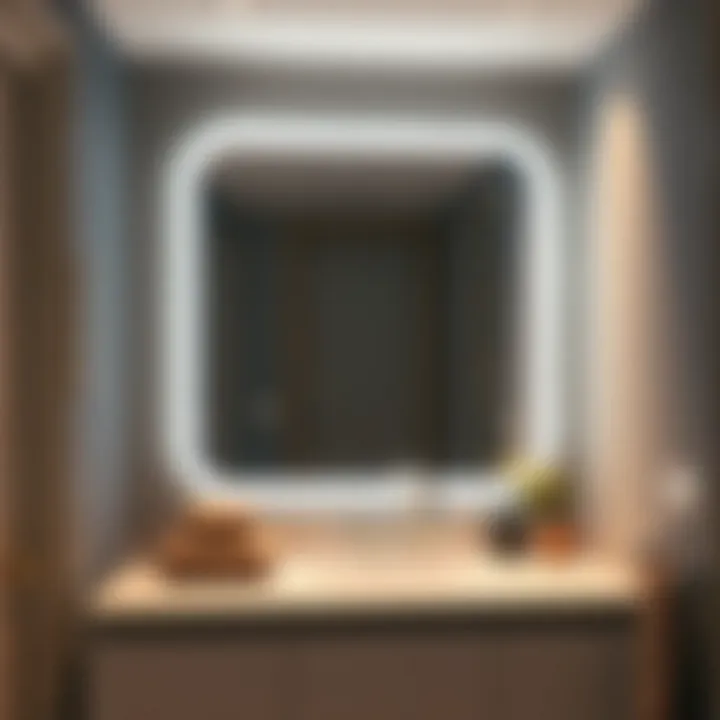
The sleek design of fixtures allows for a minimalist approach, making bathrooms look more spacious and inviting. However, one must consider the maintenance aspect; bathrooms with integrated lighting may require more frequent cleaning to avoid moisture damage. With careful selection and top-quality materials, these fixtures can offer both beauty and resilience.
Bedrooms
For bedrooms, the integration of light into mirrors contributes significantly to creating an atmosphere of tranquility and comfort. This space is often a sanctuary for rest and relaxation, and thus, ambient light is essential. The key characteristic of integrated lighting here is its capability to set the mood.
Imagine a calming retreat where the mirror serves as not only a reflection tool but also as a source of soft, diffused light, gentle enough to be used at night without disturbing sleep. This unique feature enhances the bedroom's coziness while also serving practical purposes like dressing or reading. Yet, balancing the light intensity is crucial; too bright may be overwhelming, while too dim could hinder functionality.
Living Rooms
Living rooms exemplify the social heart of a home, making integrated lighting particularly valuable in this environment. Here, mirrors can amplify natural light, creating a more open and airy feel. The key benefit of such integration is its ability to transform small or dark spaces into bright and welcoming areas.
Furthermore, these mirrors often act as statement pieces, adding an element of sophistication to décor. A downside to consider is the potential glare if not positioned properly; this could disrupt the overall ambiance. With thoughtful placement, the beauty and function of mirror-integrated lighting in living rooms can be fully realized.
Commercial Applications
Retail Environments
In retail settings, the integration of light into mirrors serves a decisive role in customer experience. The main aspect here is attraction—well-lit mirrors encourage shoppers to engage with products more readily. They not only serve the practical role of allowing customers to assess their looks but also enhance the overall shopping experience.
The key characteristic is that integrated lighting can be tailored to highlight merchandise or store displays, making products more visually appealing. However, balancing lighting intensity becomes vital, as overly bright spaces can create discomfort. Striking the right balance keeps customers lingering longer, enhancing sales opportunities.
Hospitality Industry
Within the hospitality industry, integrated lighting in mirrors fosters an inviting environment for guests. Hotels and spas benefit greatly from this design, where ambiance is essential for relaxation and comfort. This unique feature enhances the luxurious feel of environments, making guests feel pampered.
Moreover, strategically placed mirrors with integrated lights can help to maximize the perception of space in smaller hotel rooms or lobbies. While initial costs might be a consideration, the long-term appeal and guest satisfaction these installations provide often justify the investment.
Corporate Offices
In corporate offices, the integration of lighting in mirrors plays a pivotal role in enhancing productivity and creativity. Mirrors often facilitate a sense of openness in the workplace, allowing for natural light to reflect around the room. The key characteristic of corporate environments is functionality, where integrated mirrors serve both aesthetic and practical purposes.
Additionally, well-lit spaces contribute to a more pleasant working atmosphere. However, one must be cautious of over-lighting, which could lead to distractions. Thus, the thoughtful design and integration of lighting ensures that corporate environments remain conducive to focus and efficiency.
Material Considerations
When it comes to integrating lighting within mirrors, the materials used play a crucial role in not only aesthetic appeal but also functionality and performance. Choosing the right components can significantly impact the overall effectiveness of the design and the user experience. Here are some key factors to consider when selecting materials for lighting-integrated mirrors.
Choosing the Right Glass
The type of glass used in mirror design is foundational. Optical clarity is paramount, and different glass types can greatly affect not only the reflection quality but also the distribution of light. For instance, low-iron glass offers enhanced transparency and minimizes the green tint often associated with conventional glass. This feature is particularly crucial if the goal is to have accurate color fidelity in spaces like makeup vanities or high-end salons where lighting plays a vital role.
Moreover, the thickness of the glass can influence durability and aesthetics. A thicker glass is less prone to warping, ensuring that the integrity of the reflection is maintained over time. On the other hand, a thicker substrate might be heavier and can require additional support during installation.
Consideration of coatings is also essential. Anti-reflective coatings can not only improve the visibility of integrated lighting but also enhance the longevity of the mirror by reducing glare and reflections, which can be distracting.
Lighting Fixtures Compatibility
Once the glass choice is sorted, the focus shifts to the compatibility of lighting fixtures. Not every light source pairs well with mirror surfaces. For instance, LED lights are favored in this context due to their energy efficiency and versatility. They can be embedded within the mirror or mounted externally, depending on design preferences.
Color temperature of the lighting is also a significant consideration. Warmer tones create a cozy atmosphere, while cooler tones might be desirable in workspaces or areas where precise tasks are performed. Designers must ensure that the selected fixtures not only fit aesthetically but are also functional.
Wiring and positioning cannot be overlooked either. As many mirrors are now designed with smart technology, integrating smart bulbs that allow for remote operation or dimming features is a plus. The fixtures must be suitable for the wiring options available, facilitating a neat installation that does not compromise the visual clean lines of the mirror.
"The right materials and lighting fixtures can transform an ordinary mirror into a masterpiece of modern design."
Trends and Innovations
The integration of lighting with mirrors has brought about a revolution in modern design, shifting how spaces are perceived and utilized. This section focuses on the latest trends and innovations that define the landscape of mirror-integrated light, enriching both aesthetics and functionality in interior design. Homeowners and designers alike are increasingly drawn to these developments, as they offer a blend of style and practicality.
Design Trends
Minimalist Approaches
The minimalist approach is a crucial trend in the integration of lighting into mirrors. Its core characteristic is simplicity—design elements that are clean and devoid of excess ornamentation. In this context, mirrors with integrated lighting embody the principle of ‘less is more’, allowing for uncluttered spaces that feel larger and more serene.
The unique feature of minimalist designs is their ability to blend harmony with utility. They do not just serve as mere reflective surfaces; instead, they contribute to the ambience while enhancing the overall aesthetic. This approach is especially appealing for contemporary homes where space is often at a premium.
However, one must consider the potential downside—minimalism may sacrifice personality for the sake of simplicity. Finding the right balance between functionality and visual interest can be a delicate task, but when executed well, it offers a sleek, modern look that resonates with many homeowners.
Customizable Solutions
Customizable solutions in mirror-integrated lighting are gaining traction as well. This flexible design aspect is essential for creating personalized environments that cater to individual tastes. Homeowners enjoy the freedom to select features like dimming options, color temperatures, and even shapes of mirrors that align with their existing decor.
The hallmark of customizable solutions lies in their adaptability; they can evolve with changing design trends and personal preferences. This is particularly beneficial in spaces like bathrooms or bedrooms where mood and functionality should seamlessly coexist. One unique aspect is the ability to integrate smart technology, allowing users to adjust settings with simple voice commands or through mobile applications.
That said, customization comes with its own set of challenges. The initial investment can be higher, and not all solutions may fit well within every budget. Additionally, complex installations might require professional assistance, which could further inflate costs.
Technological Advances
Smart Mirrors
Smart mirrors represent a significant advancement in the realm of integrated lighting. At their core, these mirrors combine high-tech features, like touch displays and Bluetooth connectivity, with traditional reflective functionality. This innovation enhances user interaction, elevating the experience beyond mere reflection.
One of the prime benefits of smart mirrors is their multifunctionality; they can display information, play music, or even serve as a hub for controlling other smart home devices. This makes them increasingly appealing in modern homes where technology plays a pivotal role in daily lives. A notable disadvantage, however, is their reliance on electricity and technology which may deter some users who prefer traditional, low-tech solutions.
Adaptive Lighting Systems
Adaptive lighting systems are another noteworthy innovation in the integration of light within mirrors. These systems can adjust the brightness and color of the light depending on the time of day or the natural light available in the environment. This feature not only enhances the visual experience but also supports wellness by aligning with circadian rhythms.
The key characteristic of adaptive lighting systems is their ability to create an atmosphere that can change throughout the day, making spaces more inviting and functional. Homeowners often find this appealing, as it can help create relaxing environments in the evening while also providing bright, energizing lighting during the day. However, these systems can be complex to install and may require ongoing adjustments to ensure they meet specific user needs, which could be a drawback for those seeking simple solutions.
Practical Installation Considerations
The seamless blend of mirrors with integrated lighting presents a unique challenge: installation. Proper installation is not just a matter of aesthetics; it influences functionality and safety. A poorly installed mirror can affect lighting quality, cause unintended shadows, or even pose hazards in a living environment. Hence, being informed about practical installation considerations is key for homeowners and designers alike.
Professional Installation vs. DIY
When it comes to integrating lighting into mirrors, homeowners face a choice: enlist a professional or tackle the project as a DIY enthusiast.
- Professional Installation:
Engaging a skilled installer brings expertise that can make all the difference. Professionals often have experience with the various types of mirror-integrated lighting systems, ensuring that it’s correctly wired and mounted. They will also navigate any local building codes that might come into play. This can be less stressful for those who might worry about making errors during installation, potentially saving time in the long run. - DIY Installation:
On the flip side, the DIY route can be rewarding for those who love taking matters into their own hands. Many modern kits come with detailed instructions and all the necessary tools. However, it’s crucial to have a basic understanding of electrical systems if you choose this path. Mistakes can lead to damage, not to mention safety hazards. A little research can assist new installers in understanding the nuances of their chosen system.
Ultimately, the choice hinges on one’s skills, comfort level, and the complexity of the installation.
Safety Precautions
Installing mirrors with integrated lighting involves certain risks, primarily associated with electrical systems and handling glass. It's paramount to take safety precautions seriously.
- Turn off Power:
Before beginning any installation work, switching off the circuit breaker is essential. This avoids any chance of electric shock while wiring the lights. - Use Safety Gear:
Wearing gloves and safety goggles is advisable when handling glass. Accidents happen, and protecting oneself is a wise step. - Check for Studs:
Ensure the installation area is sound. Using a stud finder can help in locating studs within walls, making for a far more stable and secure mount.
"Proper installation is a cornerstone to making the most out of your mirror-integrated lighting experience."
- Follow the Instructions:
Each product comes with specific installation instructions. Adhering to these guidelines is imperative for ensuring safety and optimal functioning. - Plan for Heat Management:
Integrated lighting can generate heat, particularly if using incandescent bulbs. Positioning the mirror correctly in relation to ventilation sources will support a longer lifespan for the fixture and prevent overheating issues.
By carefully considering installation options and prioritizing safety, you can transform your space into a brilliantly illuminated haven, marrying style with function in a truly innovative way.
Challenges and Limitations
While the integration of light within mirrors presents innovative design opportunities, several challenges and limitations warrant attention. Addressing these issues is crucial for homeowners and designers who seek to maximize the effectiveness and longevity of these modern fixtures. Although mirror-integrated lighting enhances aesthetic appeal and functionality, understanding the hurdles involved ensures that investments are worth their weight in gold.
Heat Management
Heat management is one of the prominent challenges in mirror-integrated lighting systems. When lighting fixtures are embedded or mounted on mirrors, they generate heat. If not properly dissipated, this heat can potentially damage the mirror's reflective coating, causing cloudiness or degradation over time.
To mitigate this risk, designers should consider the type of lighting used. For instance, LED lights are a popular choice due to their low heat output and energy efficiency compared to traditional incandescent bulbs. These lights not only consume less power, thus saving on energy bills, but also produce less heat, extending the lifespan of the integrated mirror. Proper ventilation must also be accounted for during installation. Ideally, the installation should allow for air circulation around the lighting fixtures. This approach can prevent overheating, ensuring both functionality and durability according to industry standards.
"Effective heat management is essential for the longevity of integrated mirror lighting systems. Careful selection of lighting technology and installation techniques can safeguard your investment."
Maintenance Needs
Maintenance of mirror-integrated lighting is another consideration that can make or break the user experience. Like any lighting arrangement, these systems require upkeep to function effectively. Regular dusting and cleaning are essential to maintain clarity and brightness. Users should avoid harsh chemicals, as they can damage the reflective surface. Instead, employing a simple mixture of water and mild soap ensures the mirrors stay pristine without harming their functionality.
Another aspect involves the replacement of light bulbs or fixtures. In successfully designed systems, replacing these components should be straightforward, allowing homeowners to maintain their lighting without professional assistance. However, some integrated designs may complicate this task, demanding specialized knowledge or tools for access and repairs. It's crucial for designers to consider ease of maintenance while choosing or integrating lighting solutions in mirrors.
Ensuring that these systems are user-friendly from a maintenance perspective not only enhances their appeal but also sustains their aesthetic and functional quality.
Finale
The integration of light in mirrors stands as a pivotal element in modern design, marrying aesthetics with functionality in ways that were once considered mere fantasy. We have explored how these mirrors not only serve practical uses but also create stunning visual effects that enhance the overall ambiance of a space. Through thoughtful design and innovative technology, homeowners, designers, and decorators are finding remarkable solutions that cater to both utility and style.
Future of Mirror Integrated Lighting
Looking ahead, the future of mirror integrated lighting is promising, driven by continuous innovation and evolving consumer expectations. As we venture deeper into a world steeped in technology, several key trends and advancements are shaping the landscape:
- Increased Customization: Homeowners increasingly desire personalized solutions that align with their unique tastes and requirements. Technology enabling customizable lighting settings and effects is gaining traction, allowing users to tweak brightness and color to suit their moods or themes.
- Sustainable Solutions: With a global movement towards sustainability, mirror lighting solutions will likely embrace energy-efficient LED technology, minimizing environmental impact while enhancing the aesthetic. These systems will help homeowners reduce energy costs while enjoying striking visual effects.
- Smart Home Integration: Integration with smart home systems is paving the way for intuitive controls. Imagine mirrors that can adjust lighting based on the room's occupancy or time of day, all through simple voice commands or mobile apps. This future vision aligns with a desire for seamless living, where technology simplifies everyday tasks.
- Health and Wellbeing Features: Emerging research emphasizes the role of lighting in mental health, suggesting that well-designed lighting contributes to better moods and overall wellness. Future mirror designs may incorporate features like circadian lighting, which adjusts to mimic natural light patterns, enhancing wellbeing in personal spaces.
"Mirror integrated lighting is not just about reflection; it's about creating experiences that resonate with our lifestyle and aspirations."