
Enhancing Outdoor Spaces with Large Planter Bowls
Intro
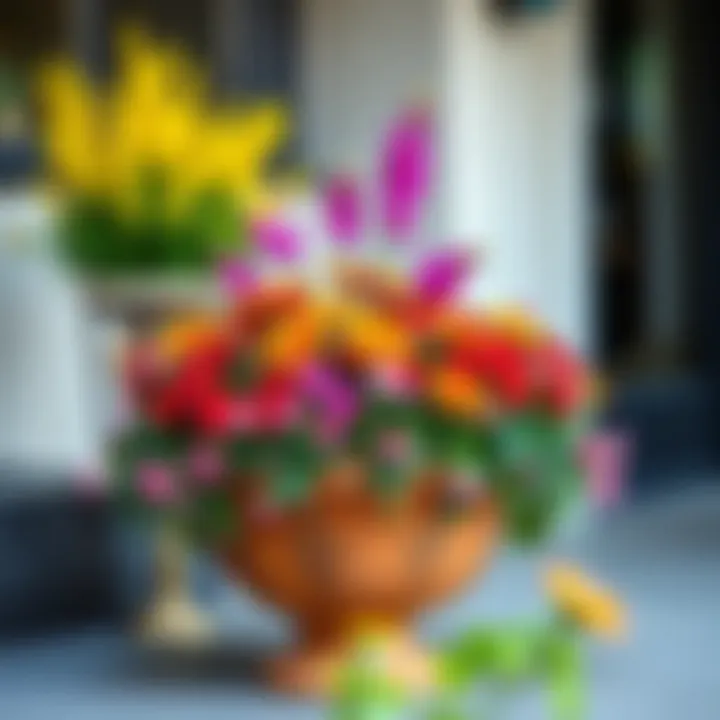
Large outdoor planter bowls have become a staple in enhancing garden design and outdoor living spaces. These planters not only bring life and greenery into various settings, but they also offer versatility in terms of style and function. Whether nestled on a patio, decorating a balcony, or accentuating a lush garden setting, their impact is undeniable. Their growing popularity signals a shift towards creating more visually appealing and personalized outdoor environments.
When selecting a planter, homeowners often consider aspects like size, material, and potential plants. But the conversation does not stop there; the integration of these planters into outdoor spaces opens up a world of possibilities. This article endeavors to peel back the layers of this topic, guiding readers through design choices, practical insights, and maintenance tips—all essential for making informed planting decisions.
The aim is to arm homeowners, designers, and DIY enthusiasts with valuable knowledge and inspiration to transform their outdoor areas using remarkable planter bowls.
Design Inspiration
In the quest for outdoor beautification through planter bowls, the aesthetic element plays a pivotal role. The right design can complement existing decor while creating a warm, inviting space.
Trending Furniture Styles
In recent years, outdoor furniture has seen a refreshing revival, where styles like Scandinavian minimalism, coastal chic, and rustic elegance stand out. Incorporating large outdoor planter bowls into these styles can elevate the entire setup. For instance, sleek white ceramic bowls fit beautifully with Scandinavian designs, giving an uncluttered yet sophisticated look. In contrast, weathered wood and earth-toned bowls harmonize magnificently with a rustic décor, creating a cozy and organic feel.
As an example, if you're using rattan furniture, opt for planter bowls in woven wicker or even bohemian patterns. These design choices beckon to different styles while enhancing visual interest in the overall outdoor space.
Color Palettes and Combinations
Color plays a critical role in situating your planter bowls within an outdoor layout. One effective strategy is to choose colors that align with the theme of the space. For classic elegance, monochromatic schemes, such as varying tones of white or grey, can create an understated sense of tranquility. The right floral selections, like dark purple petunias or soft white daisies, can add further depth.
For a more vibrant touch, consider lively contrasts like teal planters filled with golden marigolds or red geraniums. Mixing and matching colors that complement furniture can result in a cohesive outdoor environment. Adding a splash of color through the planters enhances not just the planters themselves but the entire setting, creating a space that feels lively and dynamic.
Important Note: Balancing colors is essential; too many can lead to visual chaos, while too few may make the space feel bland. Striking the right balance is crucial.
Practical Advice
Navigating the landscape of large outdoor planters necessitates practical insights into their upkeep and effective spatial arrangement.
Maintenance Tips
Maintaining large outdoor planter bowls doesn't have to be an uphill battle. Here are a few suggested practices:
- Watering: Ensure to check soil moisture regularly. Overwatering can cause root rot, while under-watering leads to drought stress.
- Cleaning: Clean the planters at least once a season to prevent algae buildup or dirt accumulation. A simple mixture of water and mild detergent typically does the trick.
- Seasonal Adjustments: Different plants thrive in different seasons. Rotate plant selections based on the climate and seasonal changes for the best visual results.
- Fertilizing: Incorporate a slow-release fertilizer into the soil mix to promote healthy growth and blooms.
Space Planning Solutions
When arranging large planters in outdoor spaces, consider their size and how they relate to their surroundings. Avoid clustering all planters together; spread them out to maintain visual balance and harmony. Placing taller planters at the back and shorter ones at the front can create depth and intrigue in the layout.
To enhance garden pathways, consider lining them with planters on either side. This not only guides the visitor's eye through the space but also adds a lush, garden feel. Alternatively, placing a few planters at different heights creates a natural flow to the space, inviting exploration while also serving as a visual anchor.
Explore more about the different styles and design options for large outdoor planter bowls by visiting Wikipedia on Garden Design or check out practical ideas on Reddit Gardening.
Remember, the outdoor realm can be just as dynamic and visually complex as indoor spaces when approached with creativity and thoughtful planning.
Prelims to Large Outdoor Planter Bowls
In the world of gardening and outdoor design, the role of large outdoor planter bowls cannot be overstated. These versatile elements serve more than just decorative purposes. They are instrumental in shaping the ambiance and functionality of outdoor spaces. Whether you are sprucing up a balcony, patio, or garden, the choice of large planter bowls can be a game changer.
Think about it: setting a vibrant planter bowl at the entrance to your home creates a warm welcome for guests. It showcases your unique style and taste even before they step inside. It’s like rolling out the red carpet, but for plants. Furthermore, these planters can define spaces, drawing a clear line between where your outdoor eating area ends and your garden begins, making the outdoor living area feel more cohesive.
Another significant point is the adaptability of large outdoor planter bowls to various plant types. Homeowners can choose plants ranging from succulents to ferns, depending on personal preferences and local climate conditions. This flexibility allows for creativity in design and visual appeal, as the planter can be changed seasonally to match blooming cycles or festive themes.
Key Benefits of Large Outdoor Planter Bowls
- Versatility in Design: Their shapes and sizes come in a variety of styles, allowing for personal expression.
- Space Management: Larger planters can house multiple plants, utilizing vertical and horizontal space efficiently.
- Enhanced Mobility: Unlike in-ground gardens, planter bowls offer the advantage of relocating plants according to seasonal changes or personal preference.
Considerations for Choosing Large Outdoor Planter Bowls
When selecting large outdoor planter bowls, homeowners should consider factors such as material, durability, and drainage capabilities. A poorly chosen planter can lead to water accumulation and root rot, ruining not just the plants but also the aesthetic value intended to be created. It is crucial to keep in mind the climate, as some materials better withstand harsh weather conditions than others.
By taking the time to carefully assess these factors, you not only ensure your plants thrive, but you also enhance the overall appeal of your outdoor space. The choice of planter bowls becomes not just a matter of aesthetics but integral to the health of the plants and maintenance of the garden.
This article aims to delve into these considerations further, examining the various materials and design options, alongside practical tips for maintaining these striking outdoor fixtures. Through a balanced approach of functionality and style, we will explore how large outdoor planter bowls can be the unsung heroes of outdoor decor.
Design Considerations
When it comes to crafting an inviting outdoor oasis, the role of large outdoor planter bowls cannot be overstated. They serve not merely as vessels to hold plants, but as integral design elements that harmonize with the surrounding environment. Knowing how to effectively incorporate and design with these planters can make a world of difference in outdoor aesthetics.
Aesthetic Appeal
A large outdoor planter bowl can drastically enhance the visual charm of any patio, garden, or balcony. Think about it; a well-placed bowl can catch the eye and serve as a centerpiece, drawing attention while adding texture and color to an outdoor setting. From contemporary sculptural designs to more traditional terracotta finishes, the variety available allows homeowners to pick a style that aligns with their personal taste. Consider colors that can either contrast or complement the surroundings. For instance, a vibrant red planter can pop against a backdrop of green foliage, livening things up a bit.
Furthermore, the plants chosen can add to the overall theme. A Mediterranean-style bowl filled with lavender or succulents can transport you to a sun-drenched terrace. On the other hand, something sleek and modern can allow for minimalist shrubs that bring a calm modern vibe. Ultimately, the aesthetic appeal isn’t just confined to the bowl itself but extends to how it fits into the broader landscape.
Size and Proportion
Choosing the right size and proportion for your outdoor planter bowl is crucial. A large bowl can create a commanding presence, while a smaller one may be lost in the expanse of spacious gardens. Scaling is all about finding balance. If your yard is modest, a collection of smaller bowls might bring visual interest without creating chaos. Conversely, if your outdoor space is more expansive, one or two bigger bowls can serve as stunning focal points, anchoring the design and offering a sense of cohesion.
Pro Tip: When contemplating size, take note of the height of your bowl as well. A bowl that is too short may look dwarfed by tall plants, while a towering structure could overpower lower ground blooms.
Shape Variations
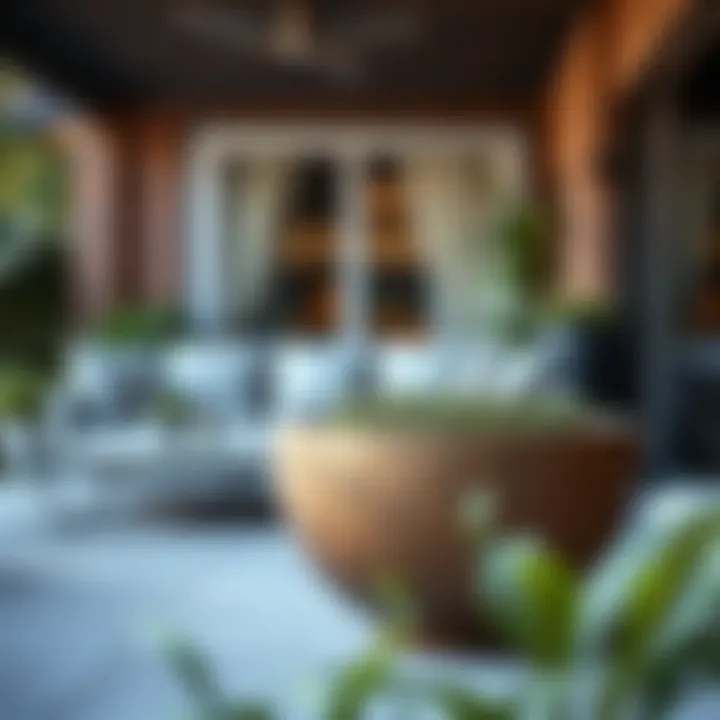
Planter bowls come in a myriad of shapes, and each carries its own distinct flair. Round bowls are traditional and inviting, often evoking feelings of warmth. On the other hand, square or rectangular ones can impart a more structured, orderly look. Then there are oval shapes, typically graceful and easy on the eyes, providing a softer touch compared to their stark counterparts.
Blending different shapes can add layers to your outdoor design. For instance, mixing round and square planters can create a fascinating visual effect, making the space appear dynamic and engaging. Choose shapes that complement not just the plants, but also existing furniture and architecture.
"The right design choices turn an outdoor space from functional to fabulous."
Material Options for Outdoor Planter Bowls
Material choice is not just an aesthetic decision when it comes to large outdoor planter bowls. It profoundly influences the durability, maintenance needs, and overall effectiveness of the planters in their role as decorative and functional elements of outdoor spaces. From the type of climate in which they are placed to the types of plants they will house, the material can play a defining role in the longevity and appeal of the planters. Let's delve into three distinct types of materials that are commonly used, each with its own set of attributes, challenges, and benefits.
Ceramic and Stoneware
Ceramic and stoneware are often cherished for their timeless beauty and versatility. These materials provide a classic touch that can harmonize with various landscape styles—from traditional gardens to modern patios.
- Durability: The thickness of ceramic and stoneware makes them quite robust. When properly sealed, they can withstand harsh weather conditions, although they must be handled carefully in freezing temperatures to avoid cracks.
- Color and Glaze: One of the biggest draws of ceramic planters is the array of colors and glazes available. This can add a splash of personality to any outdoor setting, echoing the hues of nearby plants or flowers.
- Weight Considerations: The heft of ceramic planters, while ensuring stability, can be a disadvantage. Once placed, moving them can be a real task, so think strategically about where you want them!
Metal and Modern Composites
Metal planters, whether crafted from aluminum, copper, or galvanized steel, herald a more contemporary approach to outdoor design. Modern composites, made from materials like fiberglass or high-density polyethylene, are also on the rise.
- Sleek Aesthetics: Metal and composites can provide a stunning visual appeal with their clean lines and modern finishes. They can easily complement minimalist or industrial designs.
- Lightweight yet Sturdy: Advances in manufacturing mean many modern metal planters are surprisingly lightweight. This is a huge advantage for homeowners looking to refresh their outdoor aesthetics without breaking their backs.
- Weather Resistance: Metals, particularly those treated against corrosion, can endure a lot—though it’s good to keep in mind that if they absorb too much heat, plants might suffer.
- Eco-Friendly Options: Modern composites often incorporate recycled materials, providing an environmentally friendly option that resonates with many consumers today.
Both metal and modern composites present unique opportunities for creative outdoor arrangements. Their growth in popularity reflects a shift towards streamlined, sophisticated garden designs.
Recycled and Sustainable Materials
In today’s world, sustainability isn't just a trend; it’s a necessity. Recycled materials, including upcycled plastics and metals, are making waves as viable options for outdoor planters.
- Environmental Impact: Choosing recycled materials means you are directly contributing to environmental preservation. Planters made entirely from recycled content help in reducing waste and promoting a circular economy.
- Versatility: Often molded into various shapes and colors, these materials can mimic the look of natural stone or even wood, offering versatility without the ecological footprint.
- Durability and Maintenance: Recycled options can be incredibly durable, sometimes even exceeding traditional materials in terms of longevity. Most require little to no maintenance, making them a blissful choice for the busy homeowner.
"Sustainable choice is not just a trend; it is the future of how we approach landscaping and outdoor design."
In wrapping up the exploration of materials, it becomes evident that your choice can remarkably change both the functionality and aesthetics of outdoor planter bowls. Consider your environment, desired look, and sustainability requirements when making your selections. The right material can harmonize with nature, showcasing your plants while providing a robust framework for your design vision.
For further insights on planter bowl materials and their applications, visit Wikipedia or check out gardening forums on Reddit.
Choosing the Right Plants
Choosing the right plants for large outdoor planter bowls is a task that can feel overwhelming but is crucial for ensuring a thriving and aesthetically pleasing garden feature. The plants you select not only influence the visual appeal of your outdoor space but also its overall health and maintenance needs. By considering factors such as local climate, sunlight exposure, and accompanying flora, you can create a vibrant outdoor atmosphere that reflects your style and enhances your well-being.
Indigenous Flora
One of the first considerations in selecting plants is to look at indigenous flora. Native plants are those that have adapted to the local environment over many years. They require less water and maintenance, making them a sensible choice for large outdoor planter bowls. Additionally, indigenous plants often attract local wildlife, providing a natural habitat for birds and pollinators.
Choosing local varieties can also ensure that your planter thrives in its specific location. For instance, if you live in a region with hot summers and mild winters, plants like Echinacea purpurea or Salvia would serve well. They not only withstand the heat but also offer dazzling blooms that can bring a landscape to life.
Some benefits of using indigenous plants include:
- Reduced water usage, leading to lower utility bills.
- Increased resistance to local pests and diseases.
- Support for local ecosystems and biodiversity.
Perennials vs. Annuals
Another substantial decision revolves around the choice between perennials and annuals. Perennials, as the name suggests, return year after year and usually require less effort post-planting. Conversely, annuals bloom vibrantly for a single season but need to be replanted each year. If you desire a long-lasting garden presence, perennials such as Lavandula or Hosta are excellent choices for your large outdoor planter bowls.
On the flip side, annuals like Geraniums and Petunias can offer a colorful burst and allow you to experiment with seasonal color changes. It can be beneficial to mix and match these two types: using perennials as a steady backbone of your aesthetics, while introducing annuals for seasonal interest.
Foliage vs. Floral
The choice between foliage and floral plants is yet another layer to consider when selecting plants. Foliage plants, such as Ferns and Bamboo, provide greenery and texture throughout all seasons, even when flowers fade. These plants can enhance the structural aspect of your planters and work harmoniously in mixed plantings.
On the other hand, floral plants offer bursts of color and visual interest, but their lifespan may be shorter. Plants like Marigolds and Petunias can infuse a vibrant touch that livens up the landscape. A well-balanced blend of foliage and floral selections can create a dynamic and visually appealing arrangement that continuously delights the senses.
"The right plant in the right place can create a harmonious landscape that is not just beautiful but thrives naturally."
Ultimately, the choice of plants depends on your preferences, the environment, and how you wish to experience your outdoor space. Careful selection based on these considerations allows you to create an inviting and pleasant setting with large outdoor planter bowls. For further reading on selecting plants, check resources like Wikipedia on Native Plants or further articles relating to gardening techniques on platforms such as Reddit's Gardening Subforum.
Selecting the right plants not only elevates the visual appeal of your outdoor space but also contributes to the overall ecosystem, creating a garden that resonates with nature.
Functional Benefits of Large Planters
Large outdoor planter bowls do more than just beautify a space; they are pivotal in enhancing the functionality of outdoor areas. Homeowners, designers, and decorators often overlook the myriad benefits that these planters bring. Beyond their decorative appeal, their capacity to improve outdoor living experiences substantially deserves attention. Let's explore key benefits offered by large planters, offering homeowners practical insights into elevating their outdoor spaces.
Defining Outdoor Spaces
One of the most striking advantages of large planter bowls is their ability to delineate areas within an expansive outdoor setting. They work like an artist's brush, defining sections for relaxation, dining, or play. For example, placing a planter bowl filled with vibrant foliage at the edge of a patio can subtly signal a transition to a garden space or a recreational area.
- Visual Barriers: Tall planter bowls can act as natural dividers, providing privacy without erecting solid walls. This can be particularly useful in urban settings where space is limited.
- Functional Areas: Consider a family gathering; using large planters to frame outdoor furniture creates a cozy ambiance. Suddenly, that corner of the yard transforms into a social hub.
In a way, large planters can guide one's experience of outdoor spaces, focusing attention where needed and encouraging interaction.
Enhancing Air Quality
Not to be overlooked, large outdoor planters contribute significantly to air quality. Plants naturally absorb carbon dioxide and release oxygen, making them vital contributors to a healthier environment. By strategically placing these planters, homeowners can harness this benefit.
- Purifying Air: Popular choices for oversized planters include varieties like Ficus or Bamboo Palm; they help in filtering out airborne toxins.
- Increased Oxygen: A well-planted bowl can drastically increase oxygen levels around a garden or patio.
"Surrounding yourself with greenery can work wonders for both physical and mental well-being."
By emphasizing the role of large planters in nurturing cleaner air, homeowners can enjoy both the aesthetic and health benefits.
Providing Shade and Shelter
Moreover, large planter bowls can offer vital shade and shelter, particularly when planting taller species or clustered arrangements. This function is not just practical; it also enhances comfort during sunny days.
- Creating Microclimates: Tall plants can shade seating areas, making them more inviting during hot summer months. A grouping of planters can collectively block harsh sunlight, creating a comfortable oasis.
- Shelter for Wildlife: Additionally, large planters can provide habitats for pollinators and other wildlife. Bees, butterflies, and birds are drawn to flowering plants, which help in promoting biodiversity within outdoor spaces.
In a nutshell, homeowners get more than just a pretty view; they cultivate environments that benefit both themselves and their ecosystem.
In summary, large outdoor planter bowls serve numerous functional roles that can significantly enhance the usability and livability of outdoor spaces. By carefully considering their placement, style, and plant selection, anyone can unlock the full potential of these versatile containers. The integration of these elements manifests in nnot just landscaping, but also a holistic approach to creating inviting, practical outdoor environments.
Placement Strategies
When it comes to large outdoor planter bowls, positioning can make or break the overall look and function of your space. The right placement not only showcases the beauty of the planters but also enhances the outdoor environment. Whether you are aiming to create a cozy nook for relaxation or making a bold statement in your garden, the strategies behind placement are essential. Here's a closer look at how to creatively use your large planters.
Focal Points in Design
Creating focal points is fundamental in outdoor design, and large planters can become striking features in your yard or patio. A well-placed planter can draw the eye, directing attention to specific areas while complementing existing elements.
- Entryways: Imagine walking up to a front door flanked by robust planter bowls, bursting with vibrant flowers or lush greenery. They serve as a warm welcome.
- Patios and Decks: Placing large planters in strategic spots can make your outdoor seating more inviting. Picture a couple of well-sized bowls beside a set of chairs, offering greenery that softens hard edges with their organic shapes.
- Pathways and Borders: Another great strategy is to align planters along a walkway. This not only aids in guiding guests through your garden but also adds layers of vertical interest that enhance the overall aesthetics.
The intent is to use planters to highlight key areas, making ordinary spaces transform into engaging layouts.
Layering Planters for Depth
Layering adds incredible depth and dimension to your outdoor area. It’s about mixing different heights and sizes of planters to create an engaging scene that catches the eye. Consider these tips:
- Vary Heights: Group taller planters with shorter ones to form a natural gradation.
- Mix Shapes: Blending round and square planters can provide a diverse landscape and keep things fresh.
- Add Foliage: Layer plants with different leaf shapes, sizes, and colors. For instance, place a sprawling succulent in a wide bowl alongside a tall grass in a narrow one.
This strategy doesn’t just add visual interest; it also mimics nature, where you often see variations cohabiting in wild landscapes.
Symmetry vs. Asymmetry
Both symmetry and asymmetry have their place in design, and the choice depends largely on the vibe you’re aiming for. Think of it like this:
- Symmetrical arrangements convey order and traditional elegance. If you’re looking for a more formal garden, consider placing matching planters on either side of a pathway or a bench.
- Asymmetrical arrangements reflect modernity and casual elegance. For instance, placing a single bold planter at the corner of a patio can create a striking contrast against your home’s architecture.
Ultimately, the choice between these styles can define the ambiance of your yard, so pick what aligns well with your vision.
"Placement is not just about aesthetics; it shapes our experiences in outdoor spaces, encouraging connection between nature and ourselves."
By pondering over these placement strategies and understanding their nuances, homeowners, designers, and decorators can amplify the charm and utility of large outdoor planter bowls, thus crafting spaces that truly resonate with their intended atmosphere.
Resources for Further Reading
- For more on landscaping design elements, visit Wikipedia - Landscape Architecture.
- Join discussions and get tips on outdoor design through various gardening communities on Reddit Gardening.
Maintenance and Care
Caring for large outdoor planter bowls might not sound like rocket science, but it sure requires some attention to detail. When homeowners invest in these striking features for their outdoor spaces, regular maintenance ensures they not only thrive but also remain visually appealing throughout the seasons. Proper care can significantly affect not just the health of the plants but also the longevity of the planters themselves. In this section, we’ll dive into practical insights about watering techniques, soil and fertilization practices, and essential winter preparations.
Watering Techniques
Watering is an art as much as it is a science. To keep plants flourishing within your large outdoor planters, understanding the unique watering needs of those plants is key. While it may seem simple just to douse the soil, the technique matters.
- Know Your Plants: Different species require varying amounts of water. For instance, succulents prefer dry conditions, while tropical plants like consistent moisture.
- Check the Drainage: Ensure that your planter bowls have proper drainage holes. Water should flow freely, preventing root rot from excess moisture. If you notice water pooling, it might be time to poke some additional drainage holes.
- Time it Right: Early morning or late afternoon is the best time to water. Temperatures are cooler, minimizing evaporation and allowing plants to absorb what they need efficiently.
"Proper watering can make the difference between a flourishing paradise and a wilting landscape."
Soil and Fertilization
Soil is both the foundation and the lifeblood for plants. Choosing the right soil and incorporating fertilizers can lead to a vibrant display of greenery and color. It’s essential to understand how soil composition affects plant health.
- Quality Matters: Invest in high-quality potting soil. Cheaper blends may lack essential nutrients. Look for mixes that promote good drainage while retaining necessary moisture.
- Fertilizer Fundamentals: Regularly fertilizing your plants helps provide them with the nutrients they lack from potting soil. A balanced, slow-release fertilizer provides nourishment gradually, supporting growth. Use it according to the plant's feeding schedule, generally every four to six weeks during the growing season.
- pH Levels: Keep an eye on the pH of the soil. Most plants thrive in a slightly acidic to neutral pH (around 6.0 to 7.0). You can purchase soil pH tests at garden centers.
Winter Preparations
As colder months roll in, winter preparations become critical for maintaining the health of your outdoor planter bowls. Some plants may not survive harsh winter conditions unless properly managed.
- Indoors or Outdoors? Some delicate plants need to be brought inside before frost arrives, while hardy ones might survive outside. Know your plant's tolerance to cold.
- Insulation Techniques: For outdoor planters, consider insulating your pots with materials like burlap or foam. This helps protect roots from freezing temperatures.
- Reduce Watering: During winter, many plants enter dormancy and require less water. Be sure to check the moisture level of the soil before watering, as overwatering in winter can lead to root rot.
When sizable planter bowls become the perennial stars of your garden, the investment of time in their maintenance pays off in the form of lush, thriving plants, which elevate the appeal of outdoor spaces significantly.
Combining Functionality and Style
When it comes to outdoor spaces, finding the right balance between practicality and aesthetics can be a challenge. Large outdoor planter bowls stand at the crossroads of beauty and utility, making them an excellent choice for enhancing any garden, patio, or balcony. Their design can directly influence how the outdoor area is perceived, and combining functionality with style is a crucial aspect of achieving that desired look.
One of the main benefits of large planter bowls is their ability to serve as both decorative pieces and horticultural containers. They can anchor a space, offer vertical growth for plants, or even create a vibrant visual display. It’s essential to think about how these planters will interact with their environment; are they hidden in a corner, or are they out in the open where they can be seen from multiple angles? This consideration can impact both the functionality of the planter—such as its role in defining spaces—and its overall style.
Creating Thematic Spaces
Thematic spaces can transform an ordinary outdoor area into something extraordinary. With large outdoor planter bowls, you can easily establish a common theme that resonates throughout your garden or patio. For example, using bowls filled with greenery and flowers native to a coastal region can create a beach-like atmosphere. On the flip side, using planters filled with desert plants could evoke a Southwestern aesthetic.
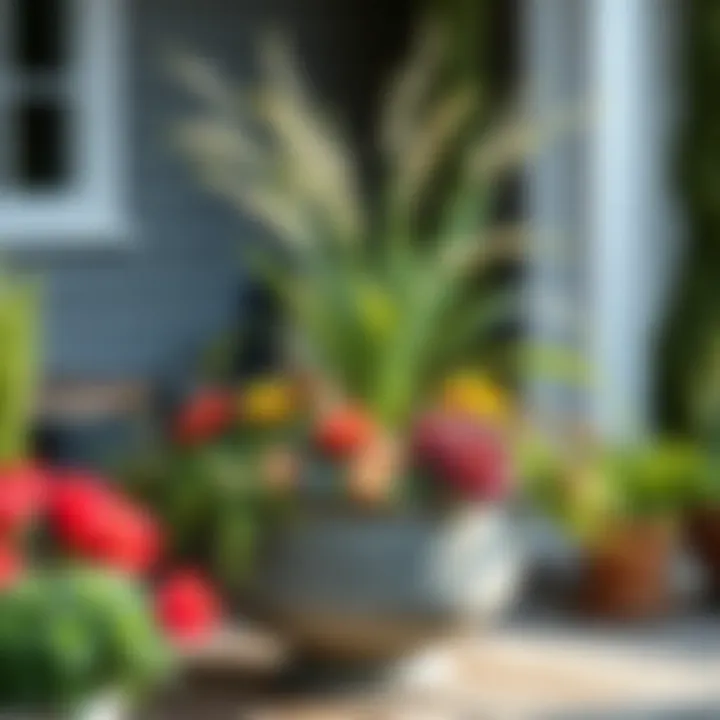
To achieve this, pick a color scheme or plant variety that reflects your chosen theme. For instance:
- Mediterranean: Use terracotta bowls, filled with lavender and rosemary.
- Zen Garden: Opt for minimalist stone planters with succulent varieties.
- Tropical Paradise: Choose vibrant, large bowls with bold ferns and palm trees.
By carefully selecting the planter style and the plants within them, you can develop spaces that feel both cohesive and inviting. It’s all about creating an experience that reflects your personal style while ensuring that it works harmoniously with the surrounding elements.
Integrating with Outdoor Furniture
Integrating large outdoor planter bowls with furniture creates a cohesive outdoor experience. They can complement or contrast with furniture pieces to enhance visual appeal. For example, a sleek, modern set of dining chairs can benefit from the addition of contemporary concrete planters that match the furniture's style. This synergy not only adds to the aesthetic but also enhances function; the planters can soften the stern lines of modern furniture, making the space feel warmer.
Conversely, if the outdoor setting features rustic wooden furniture, large ceramic planters filled with lush greenery can create a beautiful, relaxed vibe. It’s important to consider the material, color, and design of both the furniture and planters to achieve a balanced look. Here are some tips for integration:
- Choose colors that either match or thoughtfully contrast each other.
- Place large planters on either side of seating areas to frame and define the space.
- Use them as dividers between different functional areas, such as lounging and dining.
By thinking critically about how your planters and outdoor furniture interact, you can create a well-designed space that caters to both function and style. The use of large outdoor planter bowls becomes a statement decision that enriches the overall ambience of your outdoor retreat.
"Outdoor planters are not just vessels for plants; they are transformative elements of design that can define an entire landscape."
In summary, large outdoor planter bowls should be viewed not merely as decorative items but as integral components of an outdoor living area. Their ability to merge functionality with style allows homeowners, designers, and decorators to craft captivating environments that are as practical as they are beautiful.
Trends in Outdoor Planter Designs
When it comes to large outdoor planter bowls, the trends unfolding in their design play a critical role in transforming outdoor spaces from mere gardens to personalized retreats. These trends reflect not only aesthetic sensibilities but also wider changes in societal values, such as sustainability and technology. Keeping abreast of these trends can help homeowners and designers make informed decisions that embody both style and functionality.
Sustainable Practices
Sustainability has taken root in the world of outdoor design, and planter bowls are no exception. As people become increasingly conscious of their environmental impact, there's been a shift towards using eco-friendly materials and practices. Here are some ways sustainability is influencing outdoor planter designs:
- Material Choices: Homeowners are gravitating towards planters made from recycled plastics or sustainably sourced wood. For example, a planter made from reclaimed teak not only reduces waste but also adds a rustic elegance to landscape designs.
- Water Conservation: Many large outdoor planters now incorporate self-watering systems. These systems can drastically reduce water consumption by optimizing moisture distribution, ensuring that plants get the hydration they need without excess waste.
- Native Plants: Emphasizing the use of indigenous flora helps promote local ecosystems. By choosing native plants for these planters, gardeners can reduce the need for fertilizers and pesticides, contributing to a healthier environment.
"Thinking green when it comes to design pays off both aesthetically and in terms of sustainability. Planting native species in eco-friendly containers can create a landscape that is both pleasing to the eye and gentle on the planet."
Color and Texture Innovations
The popularity of large outdoor planter bowls has led to fascinating advancements in color and texture. Gone are the days of bland, uniform planters; instead, homeowners are attracted to dynamic surfaces that can resonate with individual preferences and the surrounding environment. Notable trends include:
- Bold Colors: Vibrant hues like teal, mustard, and coral are making waves in outdoor design. These colors can make a striking statement against green foliage, energizing the space and creating an inviting atmosphere.
- Textured Finishes: Rough-hewn surfaces or smooth, glossy finishes serve distinct purposes. Textured planters can add an organic feel to the landscape, whereas polished surfaces may reflect light, enhancing the garden’s illumination. The interplay of textures with different plants can evoke a sensory experience that invites touch and exploration.
- Patterned Designs: From geometric shapes to floral motifs, patterned planters can provide visual interest and serve as focal points. A planter featuring a chic pattern can harmonize with—or contrast against—surrounding elements, ensuring they don’t just sit idly but serve as active players in the outdoor design narrative.
Smart Planters and Technology
As technology continues to reshape how we engage with our environment, smart planters have emerged as a game changer for outdoor spaces. These innovative containers go beyond mere utility, incorporating technology that assists in plant care. Key advancements include:
- Moisture Sensors: Equipped with sensors that monitor soil moisture levels, these smart planters can send alerts for watering needs, preventing over- or under-watering.
- App Connectivity: Many forward-thinking planters come with an app that allows users to monitor their plants' health. Homeowners can receive information about light conditions, temperature, and humidity, making plant care less of a guessing game.
- Automated Systems: Some high-end planters integrate automated feeding and watering systems. These features take convenience to a new level, allowing for fuss-free gardening even when life gets busy.
The marriage of design, sustainability, and technology in large outdoor planter bowls is not merely a passing trend; it signifies an evolving lifestyle that prioritizes elegance, functionality, and environmental stewardship. By understanding these emerging trends, homeowners can create unique outdoor havens that are both chic and conscientious.
Ending
In wrapping up this exploration of large outdoor planter bowls, it's essential to recognize their contribution not just as mere decorative pieces but as pivotal components in enhancing outdoor aesthetics and functionality.
The Significance of Planter Bowls:
These planters are more than simple vessels for plants; they embody creativity and practicality. Whether used in residential backyards or public parks, large outdoor planter bowls are transformative. They allow individuals to express their style, creating inviting spaces that draw people together. By selecting the right plants and placements, homeowners can shape the ambiance of their surroundings, transitioning from stark hardscapes to vibrant landscapes.
"A well-placed planter can turn a bland corner into a delightful retreat."
Key Considerations:
When choosing planters, one should consider materials that withstand local weather conditions. Think about light exposure and soil requirements when selecting plants, as these factors tie directly into the health of the greenery being nurtured. Moreover, the arrangement of various heights and textures can enhance visual appeal.
The Connective Fabric of Outdoor Spaces:
Large planters serve as a canvas that can bring together various elements in a space. In practical terms, they can help define outdoor areas—be it to create zones for dining, lounging, or simply enjoying nature. These bowls also play a role in regulating microclimates, benefitting both plants and individuals.
Final Thoughts on Maintenance:
Indeed, caring for these planters is vital. Regular watering, careful fertilization, and doğru winter preparations are all part of ensuring that these outdoor beauties thrive season after season. The rewards, however, are manifold: lush plants reaping benefits from the right conditions, enhanced outdoor spaces that invite admiration, and a touch of nature that envelops you even in an urban setting.
Ultimately, large outdoor planter bowls hold incredible versatility and appeal, serving numerous roles in landscape design. They blend functionality with artistry, making them a worthy investment for anyone looking to enrich their outdoor experience.
For readers eager to delve deeper and explore more about gardening and landscaping, consider visiting resources such as Wikipedia, the Royal Horticultural Society, and Gardening Know How.
Resources for Further Reading
When diving into the world of outdoor planter bowls, one can easily become overwhelmed with the wealth of information available. That's where the Resources for Further Reading section comes into play. Engaging with dedicated resources not only deepens one’s understanding but also provides practical, actionable insights that can be applied directly to your own outdoor space.
These resources serve as a foundation for further exploration. They can guide homeowners, designers, and those enthusiastic about gardening in refining their approaches and expanding their knowledge base. Here are the key aspects to consider:
- Depth of Knowledge: Books and online communities often delve into specifics that articles cannot cover in detail. They can provide in-depth analysis and techniques about landscaping that enhance the aesthetic and functional aspects of using large outdoor planter bowls.
- Variety of Perspectives: Different authors and community members share unique experiences and ideas. This diversity can spark creativity and offer fresh perspectives that one might overlook otherwise.
- Practical Advice: Many resources include practical tips that account for geographical differences, climate considerations, and plant species selection. This local information is invaluable and often rooted in real-world experience.
- Networking Opportunities: By engaging in gardening forums and communities, individuals can connect with others who share similar interests. The exchanges can lead to collaborations, shared expertise, and inspiration.
In this day and age, staying updated with the latest trends and techniques is crucial. So, let's explore some key resources that can bolster your gardening journey.
Books on Landscaping
Books specializing in landscaping are treasure troves of information. They offer the following benefits:
- Comprehensive Guides: Titles like "The Garden Primer" by Barbara Damrosch provide exhaustive details from soil preparation to plant selection, making it ideal for both the novice and seasoned gardener. These texts are often well-researched and filled with professionally tested methods.
- Visual Inspiration: Many books include stunning photographs and illustrations that can spark creativity in design and planting. Seeing examples of well-arranged outdoor planter bowls in different settings helps to visualize what can be achieved at home.
- Expert Insights: Renowned authors and experts share their hard-earned tips and tricks which can save time and trouble down the line. For example, “The Flower Gardener's Bible” by Ed Smith can teach about seasonal planting and arrangement.
- Ongoing Reference: Unlike online articles that can go out of date, books often remain relevant for many years. They can be a go-to resource for questions that come up during the gardening process.
Online Gardening Communities
The digital age has birthed a myriad of online communities where gardening enthusiasts can gather, discuss, and learn.
- Real-Time Interactions: Websites like Reddit feature dedicated gardening subreddits where users share their projects, seek advice, and offer support. This immediacy allows for quick resolutions to issues that might arise in your own gardening endeavors.
- Access to Specialization: Different forums cater to specific interests such as container gardening or native plant landscaping. For instance, the Facebook group "Container Gardening for Beginners" is a place for novices to share both frustrations and triumphs, getting support when it's needed most.
- Diverse Knowledge Base: Members hail from various backgrounds and geographical locations. Insights can be incredibly valuable, as what works in one climate may not function in another. Connecting with a network that captures this diversity can be enlightening.
- Shared Resources: Many online communities also share valuable links to useful sites, blogs, and local nurseries that may not be on your radar yet. Harnessing this collective knowledge can enhance the overall gardening journey.
Engaging with these resources fortifies your gardening toolbox, ensuring that you’re well-equipped to tackle any challenge that arises while nurturing your outdoor planter bowls.