
Exploring Open Closet Systems: A Comprehensive Overview


Intro
In the ever-evolving landscape of interior design, open closet systems have carved a unique niche, gaining traction among homeowners and decorators alike. This trend is about more than just functionality; it’s a statement of personal style and an embrace of minimalism. Open closets invite a sense of openness and accessibility, breaking down traditional barriers that often confine clothing storage within closed doors. Today, we take an insightful look into the world of open closet systems, revealing not just the joys they bring but also their practicalities and challenges.
Open closet systems foster a sense of creativity—using the space one has cleverly. The beauty lies not only in their aesthetic appeal but in how they can transform a mundane chore, like selecting an outfit, into a visually stimulating experience.
As we navigate through this guide, we will explore the critical aspects of design inspiration, practical advice, and lending insight into how one might best integrate these systems into varied home styles. The goal is to equip homeowners, designers, and DIY enthusiasts with a wealth of knowledge to tailor open closet systems to fit their needs and tastes.
Let’s dive deeper into the inspiring designs that make these systems a perfect fit for both the practical consumer and the aesthetic connoisseur.
Understanding Open Closet Systems
Open closet systems have gained significant traction in recent years due to their unique blend of functionality and aesthetic appeal. These systems are not merely storage solutions; they reflect a lifestyle choice that emphasizes minimalism, accessibility, and style. In a world where personalization of space is paramount, the open closet system presents an exciting opportunity for homeowners, decorators, and designers alike. When one understands the intricacies of these systems, one can appreciate how the arrangement of clothes, accessories, and decor can elevate an ordinary room into something extraordinary.
Definition and Concept
An open closet system can be defined as a storage solution that lacks traditional doors or enclosures, allowing for easy visibility and quick access to personal items. It's a concept that encourages users to keep their belongings front and center rather than tucked away behind closed doors. By embracing this style, individuals can curate their wardrobe as a display rather than a hidden chore, which carries a certain charm.
While the idea of open storage may appear daunting—after all, who among us hasn’t cringed at the thought of exposing that rather unruly collection of shoes?—it also invites homeowners to rethink their organization strategies. Items are not merely stored; they are presented, allowing for creativity in how they are arranged. Think of it as creating a work of art, where the canvas is not a wall but rather the very space you inhabit.
Historical Context
The concept of open storage is not new. Its roots can be traced back to the mid-20th century when the minimalist movement began influencing home decor and furniture design. As society gradually turned away from overly ornate styles of the past, there emerged a demand for simplicity and functionality. By the 1970s, the idea of showcasing personal belongings became more prominent, aligning well with the ethos of the time which advocated for self-expression and individuality.
In recent decades, however, the rise of open closet systems has been propelled by various trends, including the housing crisis that pushed many towards smaller living spaces. Apartment dwellers and homeowners found innovative ways to maximize their limited square footage, leading them back to open closets. This shift has not only changed the way we view storage but has also sparked conversations around organization, aesthetics, and the role of personal belongings in our living spaces.
Advantages of Open Closet Systems
Open closet systems have gained traction among homeowners and designers alike, stirring interest with their practical benefits and stylish designs. These systems stand out for their adaptability and visual appeal, allowing for a curated look that reflects personal style. It’s important to delve into the advantages, as they serve not just as a means of organization, but also as a statement piece within the home environment.
Enhanced Visibility
One of the most apparent benefits of open closet systems is enhanced visibility. When everything is laid bare, it becomes easier to locate items quickly, cutting down on the time spent rifling through drawers and behind closed doors. Making use of open shelving can be like inviting a friend into your wardrobe—everything is on display and at your fingertips.
This visibility also extends to clothing and accessories, meaning that you can easily mix and match outfits without the hassle of searching. Items that are usually forgotten at the back of a closet can now shine, so your favorite pieces get the wear they deserve.
"An open closet isn’t merely a design choice; it’s a way to celebrate personal style every day."
Increased Accessibility
Increased accessibility is another significant aspect. Unlike traditional wardrobes where access may be hindered by doors, open systems allow for a seamless encounter with your belongings. This open layout encourages a more organized approach, as items are readily available to grab on the go.
Imagine rushing in the morning; with an open closet, your carefully chosen outfits are easily reachable. It fosters a sense of routine, as you can layer clothes, handbags, and shoes in an organized fashion. In addition, this accessibility really shines for those who enjoy taking full advantage of the storage possibilities, making it simpler to incorporate bins, baskets, or even floating shelves.
Stylish Aesthetic Appeal
Stylistically, open closet systems introduce a stylish aesthetic appeal that can elevate the overall ambience of a room. They possess a contemporary vibe that aligns well with various design philosophies, whether it be urban chic, rustic charm, or minimalist elegance. The choice of materials plays a pivotal role in amplifying this aesthetic; wood, metal, and glass can come together to create a dynamic visual experience.
Moreover, open closets offer a wonderful opportunity for personalization. By choosing decor that resonates with your taste—think decorative hooks, unique hangers, or curated displays—you can transform a functional space into a gallery of your wardrobe. This blend of functionality and style introduces a certain flair that closed systems simply can’t replicate.
To summarize, open closet systems present numerous advantages through their visibility, accessibility, and fashionable aesthetics, making them not just a storage solution but a potential centerpiece of the home. For anyone contemplating a redesign or a refresh of their space, understanding these benefits can make a significant impact on their decision-making process.
Challenges Associated with Open Closet Systems
While open closet systems might be in the spotlight for their aesthetic charm and agility, they come with their own set of hurdles that can give a homeowner pause. Understanding these challenges is vital in making the right choice for your living spaces. Let's dig into what to be cautious about when considering an open closet setup and how these drawbacks can be managed.
Dust Accumulation
One of the foremost challenges with open closet systems is the issue of dust accumulation. Unlike traditional wardrobes where doors keep the elements at bay, open systems expose items directly to the environment. Dust particles can settle on clothes, shoes, and accessories, turning a perfectly organized closet into a gathering spot for allergens and grime.
In practical terms, this means regular maintenance is a must. Many homeowners find themselves spending more time than they bargained for dusting their shelves and organizing their items. Here are a few strategies to minimize dust build-up:
- Use garment bags or dust covers. These handy coverings can significantly reduce dust on garments while allowing easy access.
- Choose materials wisely. Some materials, like metal or smooth wood, can be easier to clean compared to fabric-covered shelving.
- Establish a cleaning routine. Regularly scheduled clean-ups can go a long way in keeping your system tidy.
Visual Clutter
Another significant factor to consider is visual clutter. An open closet can appear like a disorganized collection of items, giving off a chaotic vibe rather than the curated elegance it aims to project. Clothes tossed haphazardly or shoes stacked carelessly can detract from the intended visual appeal 6 creating more of a cluttered impression than a stylish one.

To combat this, focus on organizing systems that foster order. For instance, righteous use of bins, baskets, and shelf dividers can help in keeping things in their place. Additionally, stick to a color palette that complements your room while also promoting a fuller sense of harmony and organization. A well-planned layout can greatly enhance your closet's aesthetic without inviting chaos.
Limited Privacy
Lastly, the lack of privacy that comes with open closet systems can be a deal-breaker for some. These setups leave your belongings out in plain sight, making it difficult to maintain a sense of personal space. For those living in shared households or smaller environments, this can be a considerable downside.
While there are ways to create a semblance of privacy, such as incorporating screens or curtains, these can sometimes detract from the system's intended openness. Alternatively, consider positioning your closet in a less noticeable part of your room or explore using clever design elements that allow some items to be concealed when not in use. It’s all about balancing openness with personal comfort and making a choice that suits your lifestyle.
In summary, while open closet systems offer ample charm and functionality, being aware of challenges like dust accumulation, visual clutter, and limited privacy will help you make informed decisions when designing your ideal space. Awareness and planning can transform these potential drawbacks into manageable aspects of your daily routine.
Design Considerations for Open Closet Systems
When it comes to organizing your space, the layout of your open closet plays a significant role in how functional and visually appealing it can be. Designing an open closet system is not merely a matter of hanging clothes and shelving items. It's about creating a well-thought-out space that marries style with function, enhancing the overall home environment. Making careful design considerations ensures that the open closet system not only meets your organizational needs but also complements your home’s aesthetic.
Space Planning
Space planning is the bedrock of effective open closet design. One must consider how much space is available and how best to utilize it. Keeping in mind the dimensions of the room where the closet will be situated is crucial; cramped spaces can become overwhelming. A spacious area allows for more elaborate designs.
- Analyze the dimensions: Measure the height, width, and depth of your available space. This helps in choosing fixtures that fit snugly without making the area feel cluttered.
- Design flow: Consider the flow between different sections. You want seamless access to clothes and accessories, without needing to squeeze into tight corners or navigate around obstacles.
- Accessibility: Hone in on what items you use most frequently and place them at eye level or within easy reach. Designate areas for seasonal clothing or accessories that may be less frequently used.
Thinking critically about these elements upfront can lead to a much more satisfying end product.
Choosing the Right Materials
The materials you select for your open closet system can greatly influence its durability, appearance, and functionality. It's essential to choose wisely based on your needs and aesthetic preferences.
Wood Options
Wood evokes warmth and brings a natural element to your open closet. It’s also incredibly versatile, lending itself to different styles, from rustic to modern.
- Key characteristic: Sturdiness. High-quality wood, like oak or maple, offers durability that can withstand daily use.
- Unique feature: The natural grain adds texture and visual interest. Moreover, you can stain or paint it to fit your desired palette.
- Advantages: A wooden open closet can make a room feel cozier and more inviting. However, it requires some maintenance to keep it looking fresh, especially in humid environments.
Metal Framework
Metal frameworks offer an industrial look that blends seamlessly with contemporary designs. They’re often more robust and give a chic edge to your closet system.
- Key characteristic: Strength and lightweight properties. Metals like steel can hold significant weight while remaining easy to handle.
- Unique feature: They often come in various finishes — matte, gloss, or even painted. This allows for a cool, modern feel in your home.
- Advantages: They are usually easier to clean than wood and resist wear and tear. However, they can feel colder or more sterile, depending on how they're used.
Acrylic and Glass Components
Acrylic and glass bring a level of sleek sophistication to open closet designs. These materials are typically used for shelves and panels.
- Key characteristic: Transparency, which can create an illusion of more space in confined areas.
- Unique feature: They allow light to filter through, preventing the closet from appearing heavy and dark.
- Advantages: They are easy to clean and can enhance visibility of your items. However, they might not handle heavy items well and can be prone to scratches or breakage.
Color Schemes and Finishes
The colors and finishes you choose can dramatically alter the ambiance of your open closet system.
- Consider the overall color palette of the room: Soft, neutral colors often work best if you want the closet to blend in seamlessly.
- Contrast can be powerful: You might opt for bold colors to make a statement. Dark wood or matte black metal can add a dramatic flair in a light room.
- Finishes add character: Matte finishes lend a muted elegance, while gloss finishes can make a space feel fresh and modern.
When choosing colors and finishes, think about light and how colors play within the room throughout the day. This will ensure a balanced and harmonious design.
In sum, effective design considerations for open closet systems require an understanding of space, material selection, and color dynamics. Each element plays a part in crafting a functional and visually striking environment that serves your needs while enhancing your home décor.
Fitting Open Closet Systems into Various Home Styles
In the realm of interior design, the harmony between style and functionality is crucial. When it comes to open closet systems, ensuring they fit seamlessly into diverse home styles is imperative for achieving an aesthetically pleasing environment. These systems can elevate the visual appeal of a space but may also pose challenges if they clash with the existing decor. By understanding how open closets interact with different interior themes, homeowners can make informed decisions that reflect their personalities and enhance their homes' overall feel.
Modern and Minimalist Homes
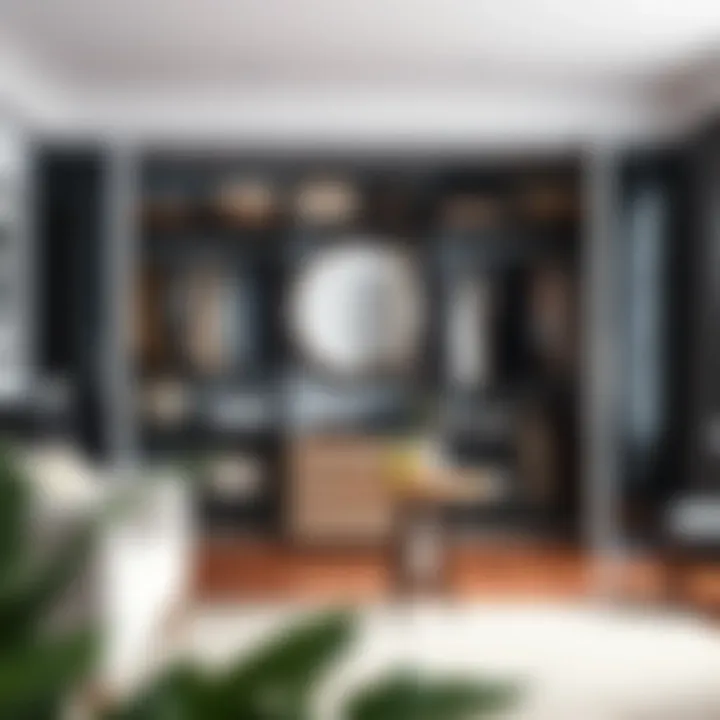
For those inclined towards the modern and minimalist aesthetic, open closet systems can serve as an extension of the overall design philosophy. These homes often emphasize clean lines, simple forms, and a sense of spaciousness. A well-designed open closet can align perfectly with this framework, avoiding the clutter that often comes with traditional storage solutions.
In a minimalist setting:
- Sleek Designs: Opt for options that blend materials like wood and metal with understated colors. A natural wood finish can bring warmth without overwhelming the space.
- Functional Organization: Minimalist houses thrive on efficiency. Relying on open shelving and streamlined hangers can help keep garments visible and accessible, embodying the minimalist spirit.
A key point to remember is that while an open closet setup can evoke simplicity, it must still offer practical storage solutions. Uncluttered surfaces and smart use of vertical space are essential for making the most of these systems within modern homes.
Eclectic Spaces
Eclectic spaces tell a story through varied designs and styles. This approach to decor allows for the integration of different materials, colors, and textures, making it possible to showcase personality. Open closet systems in eclectic environments can help underline this individuality when chosen carefully.
Here’s how to make it work:
- Mix and Match: Feel free to use varied materials like reclaimed wood or wrought iron alongside colorful storage boxes. This infusion of different elements can create a striking contrast and elevate the space.
- Display as Decor: An open closet can become a form of decor itself. Incorporate decorative items or yet another layer of personality through artful hangers or decorative storage baskets to keep essentials on display.
Blending the functionality of an open closet with vibrant decor choices can not only maintain organization but also reinforce the eclectic aesthetic.
Traditional Interiors
Contrary to the starkness of modern designs, traditional interiors favor warmth and comfort, often relying on richer colors, ornate details, and natural materials. Here, integrating an open closet system requires a delicate touch to ensure it enhances the old-world charm rather than detracts from it.
Consider these ideas:
- Classic Materials: Choose wood finishes that resonate with a classic style. Dark woods like mahogany or cherry can invoke a sense of richness while still providing functionality.
- Soft Touches: Adding fabric elements, such as fabric-covered boxes or decorative textiles, can soften the appearance of open shelving and offer a nod to traditional aesthetics.
Being thoughtful about the combination of an open closet and traditional design helps keep the space cohesive and inviting. It allows homeowners to enjoy ease of access to their belongings while preserving the warmth associated with traditional interiors.
"The art of home design lies in striking a balance—where function meets aesthetic appeal to tell a homeowner's unique story."
DIY: Creating Your Own Open Closet System
Crafting your own open closet system can be an enriching experience. There's a certain satisfaction in taking control of your space and creating something that reflects your personal taste while maximizing functionality. Understandably, many homeowners and designers are drawn to the idea of a custom arrangement, particularly in the ever-evolving landscape of interior design.
Planning Your Design
Before you dive into the nitty-gritty of hammering and assembling, it’s crucial to have a solid plan. Start by analyzing the available space in your room. Consider the following elements while sketching out your design:
- Dimensions: Measure your wall height and width. This'll help in determining the size of shelves, hanging areas, and more.
- Functionality: What do you intend to store? Clothes, shoes, or accessories? Knowing this will dictate the design features you’ll need.
- Flow of Space: Ensure that you can move around without feeling cramped. A well-planned design provides enough space for easy access to items.
Having a blueprint will not only guide your assembly but also inspire creativity. Whether you're looking for a minimalist finish or a more eclectic feel, the planning stage is where the seeds of your creativity will germinate.
Tools and Materials Required
Now that you have a plan, it’s time to gather your tools and materials. Here’s a brief rundown of what you might need:
- Materials:
- Tools:
- Shelving boards (wood, metal, etc.) depending on your style
- Brackets for support
- Hanging rods for clothes
- Bins or baskets for smaller items
- Drill for making holes and fastening
- Level to ensure everything is straight
- Measuring tape for accuracy
- Saw if you're cutting your boards to size
Preparing well can save a whole lot of hassle down the line. The last thing you want is to stop mid-project because you forgot a tool or miscalculated a measurement!
Step-by-Step Process
Bringing your vision to life can feel like a daunting task, but breaking it down into manageable steps simplifies the process immensely. Follow this sequence to set up your open closet system:
- Clear the Area: Move any furniture and items out of the way. A clean slate makes the installation smoother.
- Mark the Wall: Use a pencil to lightly indicate where you will install shelving and rods. Take your time to ensure everything is level.
- Install Brackets: Start with the brackets for your shelves. Follow your markings and secure them to the wall using a drill. Make sure they are adequately anchored for support.
- Place Shelves: Once the brackets are in place, lay your shelves on top and secure them if necessary.
- Hang Rods: For hanging clothes, install rods underneath the shelves or within a designated area based on your plan.
- Add Organization: Use bins or baskets for smaller items. Clearly label these to avoid a chaotic feel.
- Final Touches: Step back and evaluate your work. Are the shelves positioned well? Adjust as necessary.
Creating your own open closet system isn’t just a practical task; it’s an opportunity to flex your creative muscles. The beauty of DIY is that you can customize it to your preference, adding a personal touch that speaks to your style.
The Role of Lighting in Open Closet Systems
Adequate lighting in open closet systems is not just an accessory but a fundamental element that enhances functionality and aesthetics. The right illumination can transform the way an open closet is perceived and utilized, turning a mere storage space into an organized showcase. Poor lighting can shadow your favorite outfits or clutter a meticulously arranged space, making it feel chaotic rather than serene. Therefore, understanding light’s role is integral for homeowners and designers seeking to elevate their closet’s appeal.
Importance of Adequate Lighting
Good lighting serves various purposes in open closet designs. Firstly, it significantly improves visibility, allowing one to easily locate desired items without rummaging through layers of clothing. This can streamline morning routines when time is often of the essence. Furthermore, proper lighting effectively highlights the organization and decor of the closet. For instance, a well-lit space accentuates design features like shelving and displays, making the overall aesthetic more inviting. Ultimately, an illuminated closet encourages better upkeep, as individuals are more likely to maintain organization when they can clearly see what they own.
"Light is more than a necessity; it’s an essential part of making a space inviting and functional."
Types of Lighting Fixtures
Choosing the right lighting fixtures can dramatically influence the effectiveness and beauty of an open closet system. Each type has its distinct features and benefits:
Pendant Lights
Pendant lights add a stylish touch to an open closet. They are often suspended from the ceiling and come in various designs, offering an eye-catching focal point while shedding light on the closet. Their key characteristic is versatility; they can fit both modern and classic aesthetics. A pendant light brings a cozy ambiance, making it an appealing choice for illuminating closets. On the downside, depending on the height of the ceiling, pendant lights may not be ideal for all spaces. If the closeting area is limited, they might feel more intrusive than functional.
LED Strips
LED strips are increasingly popular for open closet systems. These flexible, adhesive-backed lights can be placed almost anywhere, providing illumination along shelves or inside compartments. Their primary advantage is the energy efficiency and longevity, making them a sustainable option. Besides, they can enhance the ambient lighting, creating a softer glow that makes a closet feel warmer. However, one potential drawback is that if not positioned correctly, they may not provide as much illumination as larger fixtures, possibly leading to darker corners.
Spotlights
Spotlights allow for its targeted illumination which can be particularly useful for showcasing specific items, like shoes or accessories. Their distinct characteristic is the ability to create dramatic lighting effects, drawing attention where it is needed the most. They can enhance depth and dimension in an open closet, making it easier to appreciate individual pieces. Yet, the downside is that over-reliance on spotlights can lead to uneven lighting, which might create pockets of shadow, thereby defeating the purpose of adequate visibility.
In summary, the role of lighting in open closet systems extends beyond mere visibility. It integrates functionality with style, presenting a framework upon which the entire design rests. Whether incorporating pendant lights, LED strips, or spotlights, understanding their individual advantages will ensure a space that is not only practical but also inviting.
Maintaining Open Closet Systems
Keeping an open closet system in tip-top shape is no small feat. With their airy designs and chic structures, these spaces can quickly become a jumble if not managed properly. Regular maintenance is essential for ensuring that these systems remain both functional and visually appealing. Not only does proper upkeep prevent dust and clutter from taking over, but it also helps extend the life of the materials used. Homeowners and designers alike should prioritize maintenance as a crucial element in the longevity and style of open closet systems.
Regular Cleaning Practices
Cleaning an open closet system goes beyond simply giving it a quick wipe-down. A systematic approach can keep your gear organized and make it easier to find what you need. Here are some effective practices to consider:
- Dusting: Aim to dust surfaces weekly. Use microfiber cloths to trap dust, instead of spreading it around. Pay special attention to the top shelves where dust tends to gather like it’s enjoying a vacation.
- Wiping Down Surfaces: Depending on your materials, you might need to adopt specific cleaning solutions. For wooden frameworks, a mixture of vinegar and water can work wonders without damaging the finish. For metal or glass components, look for suitable cleaners that won't scratch or leave streaks.
- Decluttering Sessions: Every three to six months, set apart some time to declutter. Examine each item—ask yourself if it serves a purpose or brings you joy. Anything that doesn’t meet these criteria? Perhaps it’s time for a donation or a new home within your space.
- Reorganizing: After decluttering, reorganizing becomes essential. Rearrange items by frequency of use. The everyday essentials should be front and center, while the occasional outfits can take a backseat. Considering seasonality can also help. Warm-weather clothing can often be packed away during the colder months.
"Regular maintenance is not just about aesthetics; it’s part of using space effectively."
By sticking to these cleaning routines, the integrity of your open closet system will improve significantly, as will the overall experience of using it.
Organizational Tips
Organizing an open closet system isn’t just about pretty displays—it’s about effective functionality. Here are some tips that can help maintain order:
- Use Bins and Baskets: These are fantastic for smaller items that could otherwise get lost in the sea of clothing. Clear bins allow you to see what's inside, while woven baskets add a touch of warmth and texture.
- Vertical Space: Don’t underestimate the power of vertical space. Utilize shelves, hanging organizers, or even hooks on the wall for bags or hats. Make it a point to fully use height, as it can drastically increase storage capabilities.
- Seasonal Rotation: Similar to cleaning, organizing can benefit from seasonality. Regularly switching out items as the seasons change can keep things fresh. It makes it easier to find the right clothes when you’re in a hurry and looks intentional, not chaotic.
- Labeling: It can’t be overstated how a little label here and there makes a world of difference. Whatever you decide to use—handwritten tags or sleek printed labels—having a guide to the contents can save plenty of time and frustration.
- Personalize Your Space: The beauty of an open closet is its inherent flexibility. Personal touches like art prints or decorative elements can inject personality into the space while you organize it. If it feels like your space, it’s easier to keep it tidy.
In summary, proper maintenance and thoughtful organization can transform even the simplest open closet into a stylish and practical hub for all your belongings.
Future Trends in Open Closet Design
As the world of home organization continues to evolve, open closet systems find themselves at the crossroads of practicality and aesthetic appeal. Homeowners and designers alike are seeking new and innovative ways to enhance these spaces. Future trends in open closet design not only reflect changing personal preferences but also address broader social and environmental concerns. By staying ahead of these trends, individuals can create stylish and functional closets that resonate with current values and lifestyles.
Sustainable Materials and Practices
One of the most compelling shifts in open closet design is the emphasis on sustainability. Homeowners are increasingly mindful of their environmental footprint, prompting a demand for eco-friendly materials and practices. This shift has made items like reclaimed wood, bamboo, and recycled metals more popular choices in closet construction.
- Reclaimed Wood: Each piece has a story, often showcasing unique textures and grains, lending character to an otherwise ordinary space.
- Bamboo: Known for its rapid growth, bamboo stands as a viable alternative to traditional hardwood; it’s both durable and renewable.
- Recycled Metals: Items such as curtain rods, hangers, or decorative elements can be crafted from recycled metals, encapsulating modern design while caring for the planet.
Homeowners should not only look for sustainable materials but also consider the lifecycle of the products they use. Prioritizing local sourcing can further support city economies and reduce carbon emissions from transportation.
"Sustainability isn't just a trend; it’s the future of design."
Technological Integration
With the advancement of technology, integrating smart solutions into open closet systems is becoming more common. The melding of functionality with modern tech enhances user experience and organization efficiency.
- Smart Lighting: Automated LED lights that activate when the closet doors are opened can make a significant difference. Not only does it improve visibility, but it also enhances the overall ambiance.
- Inventory Management Systems: Digital apps that help track clothing and accessories can transform the way individuals interact with their wardrobes. Imagine being able to see what you have without rifling through piles of clothes.
- Voice-Controlled Organization: Integrating voice assistance, such as Amazon Alexa or Google Assistant, can aid in suggesting outfits based on the weather or occasion, adding an extra layer of convenience.
As technology continues to advance, the potential to further personalize and enhance these spaces will expand. Homeowners and designers are encouraged to explore tools that marry elegance with practicality, ensuring their open closet systems remain at the forefront of design trends.
In summary, future trends in open closet design reflect a broader recognition of sustainability and technology. By focusing on eco-friendly materials and smart innovations, homeowners can effortlessly navigate towards a more organized, stylish, and responsible way of living. The choice of materials and technology not only improves the functionality of open closets but also fosters a greater sense of satisfaction in one’s home.
Culmination
The discussion around open closet systems encapsulates more than just a trendy design choice; it resonates with modern living principles that favor both style and functionality. This conclusion serves not merely as an endpoint but as a vital recap of the core insights gathered throughout this article.
First and foremost, the benefits of adopting an open closet system cannot be overstated. Enhanced visibility means that everything from clothes to accessories is readily accessible, and this immediacy often spurs a more spontaneous and engaging morning routine. Additionally, the aesthetic appeal of these systems can elevate a home's interior atmosphere, introducing a breath of fresh air into even the most mundane corners.
However, it’s equally crucial to acknowledge the challenges associated with them. Dust accumulation, potential visual clutter, and limited privacy are factors that require thoughtful consideration and proactive management. Navigating these challenges is pivotal for anyone contemplating the integration of open closet systems into their homes.
Key Elements to Remember:
- Open closet systems promote visibility and accessibility.
- They can enhance aesthetic appeal, turning practical storage into artful displays.
- Careful planning and maintenance are essential to mitigate issues like dust and clutter.
Ultimately, this article provides a roadmap for homeowners, interior designers, and DIY enthusiasts alike, offering insights and practical considerations that foster informed choices. The journey of creating a harmonious living space is akin to crafting a personal narrative—one that each homeowner can author themselves.