Choosing the Right Cladding for Outdoor Kitchens
Intro
Building an outdoor kitchen is not just about the cooking; it is about creating an experience. An outdoor kitchen that’s beautifully designed can transform a simple backyard into a gathering spot for family and friends. One of the critical aspects that elevate the aesthetic and functional quality of this space is its cladding. In fact, choosing the right cladding material can determine how well the kitchen withstands the elements while also harmonizing with the overall style of your outdoor area.
Some might overlook cladding, thinking, "It’s just the outer layer," but in reality, it’s more akin to the face of your kitchen. A faint whisper of its importance can be heard—functionality, appearance, and even resale value are all tied to how you choose to clad your outdoor kitchen.
When exploring cladding options, the choices abound—from stone and brick to metal and wood. Each material reveals characteristics that dictate its suitability for different environments. Additionally, the color, texture, and design trends can draw a cohesive look, ensuring your outdoor cooking area isn’t just functional but also a visual treat. So, let’s embark on this exploration to understand the various cladding materials and their traits, revealing how they can contribute to creating a robust outdoor kitchen that caters to your style and needs.
Intro to Outdoor Kitchen Cladding
Creating an outdoor kitchen that stands the test of time and weather involves more than just the placement of appliances and furniture. One of the vital aspects to consider is cladding, which can greatly influence both durability and aesthetics. Cladding serves as the first line of defense against harsh environmental factors, protecting the underlying structure while providing an appealing finish.
Defining Outdoor Kitchen Cladding
Outdoor kitchen cladding refers to the materials and coatings used to cover the exterior surfaces of outdoor cooking spaces. This includes walls, cabinetry, and sometimes, even flooring areas. Think of it as clothing for your kitchen; it not only has to look good but must also endure exposure to the elements.
Different types of materials achieve this function; natural stone, brick, wood, vinyl composite, and even metal all come to mind. Each option carries its own unique characteristics—some exuding rustic charm, while others offer contemporary flair. The choice of cladding directly influences the kitchen’s visual appeal and its longevity, making the selection process a crucial step for homeowners and designers alike.
Importance of Cladding in Outdoor Environments
When it comes to outdoor kitchens, cladding does more than just elevate style; it provides significant functional benefits.
- Durability: Cladding materials designed for outdoor use can withstand rain, sunlight, and fluctuating temperatures. Properly chosen cladding helps prevent rot, fading, and structural damage.
- Aesthetic Enhancement: The visual appeal of your outdoor kitchen often hinges on these surfaces, making it essential to select cladding that complements both your personal style and the surrounding landscape. Think of how a natural stone blend can harmonize with garden rocks or how sleek metal can contrast beautifully with vibrant landscaping.
- Maintenance Reduction: High-quality cladding materials require less upkeep compared to lower-grade alternatives. This means more time grilling and less time on slippery roofs or groaning over moldy siding.
Moreover, adding cladding allows for creativity in design, enabling homeowners to tailor their cooking spaces to function as extensions of their homes. In essence, cladding is not merely functional; it plays a crucial role in setting the mood and inviting liveliness to outdoor gatherings.
"Choosing the right cladding can transform your outdoor kitchen into an inviting and durable culinary oasis."
In the end, understanding the significance of outdoor kitchen cladding is not just about covering surfaces; it’s about creating a cohesive environment that promotes usability and aesthetic pleasure.
Materials for Outdoor Kitchen Cladding
The selection of materials for outdoor kitchen cladding is crucial. These materials serve not only as decorative features but also fulfill practical needs for durability and weather resistance. Choosing the right cladding material can enhance the overall aesthetic and functionality of the outdoor kitchen space, making it an inviting area for family and friends. Furthermore, each material comes with its own set of characteristics, benefits, and challenges which homeowners must weigh carefully.
Natural Stone
Types of Natural Stones
Natural stones like granite, sandstone, and slate stand out for their unique qualities. Each stone type delivers distinct colors and textures, setting an authentic, upscale vibe in any outdoor kitchen. For instance, granite, known for its density and durability, is highly sought after. Its ability to withstand high temperatures makes it ideal for countertops and cladding.
Moreover, sandstone offers a softer, more rustic appearance. Its natural layering and warm tones can blend beautifully with garden landscapes. But then there’s slate, notable for its sleek look and rich, dark hues. Homeowners appreciate the individuality of each stone; no two pieces are alike.
Benefits and Drawbacks
Natural stone isn't all sunshine and rainbows. On one hand, the primary benefits include longevity and aesthetic appeal; these stones don't just look fantastic, they can also last generations with proper care. On the flip side, their weight might necessitate a solid structural foundation and, depending on the type, some can be pricey. Another factor is that natural stone can be prone to staining; proper sealing is essential, particularly for softer stones.
Brick
Traditional vs. Modern Brick Cladding
Brick cladding encapsulates an age-old charm with a modern twist. Traditional brick, often red or brown, evokes a classic warmth, while modern variants introduce diverse colors and design elements, such as varying sizes and shapes. Traditional brick stands resilient against time, imparting a cozy feeling reminiscent of aged homes and rustic environments.
In contrast, modern brick options can offer sleek lines and diverse palettes, making them appealing for contemporary designs. The choice between these two can impact not only aesthetics but also the overall style of the outdoor kitchen.
Durability and Maintenance
Durability is one of brick’s notable traits. It resists fading and requires minimal maintenance compared to wood. Homeowners looking for a low-upkeep material may find brick a suitable candidate. Nonetheless, cracking can occur in extreme weather, making periodic inspections worthwhile. Despite brick’s robust nature, it's good to know upfront that it might not provide much thermal insulation, which can affect the comfort of the kitchen in hot or cold climates.
Wood
Types of Wood Used
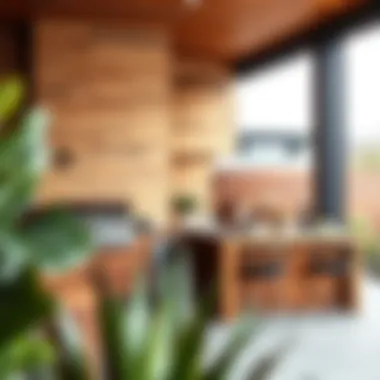
When it comes to warm, natural aesthetics, wood is a favorite. Common types include cedar, redwood, and teak, each offering different benefits. Cedar, for example, comes with a built-in resistance to insects and decay, making it a practical choice for outdoor conditions. Redwood boasts an elegant appearance but may require more upkeep.
Meanwhile, teak is often praised for its durability and beautiful finish. Its natural oils allow it to withstand rain and sun without warping, although it generally comes with a heftier price tag.
Protection Against Elements
Protection against the elements is a vital concern when using wood for outdoor cladding. The natural oils in woods like teak help fend off moisture; however, all wood types are susceptible to fading, warping, and cracking over time if not properly maintained. Regular sealing and staining can significantly extend their lifespan, but this increases the need for maintenance and care, something that many homeowners should consider.
Vinyl and Composite Panels
Advantages of Synthetic Materials
Vinyl and composite panels have gained popularity due to their low maintenance needs and degree of customization. Composite materials can mimic the look of wood or stone without the constant upkeep associated with natural materials. They offer great resilience against moisture, sunlight, and insects, thus making them a practical choice in diverse climates.
As a further benefit, these panels are often quite economical, making them a smart choice for budget-conscious homeowners who still desire a striking outdoor appearance.
Color and Texture Options
The variety in color and texture for vinyl and composite panels is another ace up their sleeve. Gone are the days of dull, flat designs; homeowners can find countless options to suit any design aesthetic. From textured finishes that resemble authentic wood grain to bright colors that add a pop to the outdoor space, there's a synthetic material for nearly every preference. However, some may feel that synthetic doesn’t have the same authenticity as natural materials, which can affect the decision based on personal taste.
Metal Cladding
Types of Metal Finishes
Metal cladding offers a sleek and modern aesthetic. Options include aluminum, steel, and copper, each presenting distinctive finishes. Aluminum is favored for its lightweight and rust-resistant properties, while steel offers unmatched strength. Copper, although pricier, is loved for its unique patina that develops over time, providing a one-of-a-kind appearance.
Each metal brings different benefits, but choosing one will also depend on the desired durability and style of the outdoor kitchen.
Modern Aesthetic Appeal
The modern aesthetic appeal of metal is undeniable. It can lend a contemporary feel that’s both striking and innovative. Metal cladding can be used in various designs, be it sleek and smooth or textured and weathered. While metals have the potential to stand up against harsh weather conditions, they can be prone to dents and scratches. Moreover, they’ll require some maintenance to prevent rusting, especially in coastal areas where salt is prevalent.
"Selecting the right material isn’t just about looks; it’s about creating a space that thrives in your environment."
In summary, choosing the right cladding material for your outdoor kitchen is essential to achieving a blend of function and style. Each option is abundant with its own merits and challenges, thus homeowners must carefully consider aesthetics, durability, and maintenance before making a decision.
Design Considerations for Outdoor Kitchen Cladding
Design considerations for outdoor kitchen cladding are paramount in creating a space that’s not only visually appealing but also functional. It goes beyond mere aesthetics; it involves pondering how the choices made will influence the overall experience in the outdoor cooking area. The right cladding can harmonize the kitchen with surrounding elements, regulate temperatures naturally, and effectively utilize the space for various activities. Homeowners, designers, and decorators must ponder multiple facets in selecting the right materials and styles that will yield benefits in the long run.
Creating Visual Harmony
Matching with Landscape
Matching the outdoor kitchen cladding with the landscape is crucial. When cladding resonates with the natural surroundings, it tends to elevate the beauty of the outdoor space. A well-chosen material, be it rustic stone or smooth wood, blends seamlessly into nature, enhancing the visual appeal. This characteristic makes it a preferred choice among many.
The unique feature of landscape-matched cladding is its ability to create a cohesive atmosphere. For instance, if the home rests amid lush greenery, utilizing earthy tones for the cladding can make the kitchen feel like an extension of the garden rather than an alien structure. However, one might face a challenge with this approach; it can limit bold design choices if not done thoughtfully. Finding balance between standing out and blending in is key.
Complementing Other Structures
Another important aspect is how well the cladding complements existing structures around the outdoor kitchen. Whether it’s a nearby gazebo, pool, or a patio deck, ensuring continuity can enhance the overall design aesthetic. This characteristic encourages homeowners to choose materials that reflect or contrast nicely with nearby elements.
What sets this element apart is its functionality in promoting design coherence. For example, if the primary house has a modern aesthetic featuring glass and steel, selecting a sleek metal for the cladding can ensure the kitchen ties into that theme. On the contrary, mismatched designs might lead to visual dissonance. This can distract from the overall beauty, drawing eyes away from the intended focal points and diminishing the overall outdoor experience.
Functional Design Aspects
Temperature Regulation
Temperature regulation plays a vital role in outdoor kitchen design. The cladding material selected can significantly affect how heat and cold are managed within the space. For instance, dark-colored materials may absorb more heat, creating a warmer kitchen environment, which can be great in colder climates but potentially detrimental in hotter regions. The right choice can also help with energy efficiency, minimizing the need for additional heating or cooling systems.
Consider materials with insulating properties, such as natural stone or wood, which can help keep the area comfortable. However, an ever-present downside is that these materials may require consistent upkeep to maintain their insulating qualities.
Weather Resistance

Considering weather resistance is essential when choosing outdoor kitchen cladding. Outdoor kitchens face a barrage of elements—rain, snow, sun, and wind. Resistant materials can significantly prolong the lifespan of the cladding, ultimately safeguarding the investment made in the outdoor kitchen.
Materials like treated wood or high-quality metals withstand the test of weather much better than their counterparts. This unique feature ensures that although the initial price may be higher, the long-term costs associated with repairs or replacements drop substantially. However, it’s important to ensure these materials are correctly selected and installed; otherwise, they may fail to deliver the promised durability.
Impact on Outdoor Kitchen Layout
Zoning Outdoor Spaces
Zoning outdoor spaces involves deciding how different sections of the kitchen will be used and how they will flow together. The cladding can influence this zoning by guiding the eye and creating designated areas. For example, arranging seating and cooking areas with distinct cladding can provide clarity and order to the whole setup.
This aspect stands out because it can maximize the utility of the space. Zoning allows for not just functional delineation but also helps in social interactions, ensuring that guests are engaged without crowding the chef. However, an overly complex layout might overwhelm users, necessitating a balance of open space with defined areas.
Maximizing Usability
Maximizing usability is vital in ensuring that the outdoor kitchen serves its purpose well. The layout and cladding combination should facilitate easy access to appliances, tools, and seating. Considerations should also include how cladding materials are placed relative to foot traffic. Smooth transitions between different areas will help reduce clutter and enhance the cooking experience.
The practicality of maximizing usability is tied into cladding choices—durable surfaces will handle wear better and stand up to frequent use. Yet, it’s essential that usability doesn't come at the expense of visual appeal, leading to the risk of creating a space that feels clinical or uninviting. The aim is to strike a balance that invites enjoyment and functionality simultaneously.
Installation Techniques for Cladding
Proper installation techniques are essential to ensure that outdoor kitchen cladding is not only aesthetically pleasing but also functions effectively over time. The harmony between design and installation can profoundly affect the durability and maintenance of materials used. When cladding is executed with care, the outdoor kitchen stands resilient against the elements, while also standing out as a visual centerpiece. Moreover, correct installation prepares the ground for structural integrity and minimizes future repair costs.
Preparatory Steps
Surface Preparation
Surface preparation may seem like a minor cog in the machine, but think again. Its significance can't be overstated. This step lays the groundwork for the cladding, acting like an unsung hero. When done right, it helps create a flat, durable base that keeps your chosen material in place and enhances its overall lifespan.
Before cladding products are installed, the base must be clean and dry—with no debris or moisture hanging around. Any old paint, dirt, or mold could translate to unhappy cladding in the long run. A lot of folks might overlook this aspect, thinking a simple wash will do the trick, but detailed attention is crucial. Finishing your preparations with a suitable primer can also be a winning strategy, helping your cladding adhere better to the surface. Overall, taking the time for proper surface preparation not only prolongs the life of the cladding but also ensures that it looks good doing its job.
Weather Conditions to Consider
Weather conditions can flip the script on any outdoor project. Simply put, ignoring this factor is like playing with fire. When you choose to install cladding, be sure to pay attention to temperature, wind, and precipitation.
Installing during extreme heat can lead to improper adhesion of materials, causing unwanted gaps. On the other hand, rain can dampen the work and ruin your carefully laid out plans. The sweet spot for installation is usually between 60°F to 80°F, but it varies based on the specific material’s needs. Some materials, like vinyl, may require different conditions. Understanding these nuances will not only make the installation process smoother but will also increase the longevity of the cladding once in place. A wise person once said, "An ounce of prevention is worth a pound of cure," and this certainly rings true in the world of outdoor installation.
Methods of Installation
Panel Systems
The method of using panel systems for cladding is gaining popularity in outdoor kitchen projects for many good reasons. These systems consist of pre-cut panels designed for easy installation, which is a huge plus for homeowners either considering DIY or hiring professionals. The appeal lies in their efficiency. The interlocking designs significantly reduce the time required for installation while allowing for a myriad of aesthetic choices.
Most panels are also lightweight and straightforward, making them easily manageable without heavy equipment. However, some might argue that intricate patterns could be challenging for the average DIYer to achieve without prior experience. Still, many benefits outweigh this drawback, potentially saving costs and ensuring a more uniform look across your outdoor kitchen.
Direct Application Techniques
Direct application techniques stand out as another popular choice for installing cladding on outdoor kitchens. This method entails applying cladding straight onto the surface without relying on furring strips or framework. It's an excellent approach for creating a sleek look without the fuss of additional structures. This technique primarily suits homeowners who desire a streamlined, modern aesthetic.
However, the direct application method is not without its challenges. Precision matters significantly; a small error can lead to larger complications down the road. Additionally, ensuring proper adhesion is critical since any gaps during installation can become a weak point against weather elements. Thus, while this method promises a clean, modern finish, it requires skilled hands to execute beautifully.
Post-Installation Care
Initial Cleaning Procedures
Once cladding is firmly in place, initial cleaning procedures come into play. This step is often underestimated, yet it plays a crucial role in protecting the newly installed materials before they face the rigors of daily outdoor life. Often, there’s leftover dust, adhesive residue, or installation debris that must be dealt with.
Utilizing a gentle detergent with lukewarm water is generally the best practice during this phase. Rough scrubbing can lead to surface scratches, which don’t fare well on aesthetically pleasing cladding choices. Being meticulous at this stage ensures you aren't setting yourself up for a tough battle against dirt later on. Keep in mind, what’s done in haste, may take long to correct.
Sealing and Finishing
Sealing and finishing should never be an afterthought in outdoor kitchen projects. This step secures the cladding against moisture penetration, UV damage, and overall weathering. It acts as a protective barrier that maintains the integrity and appearance of the chosen material.


Choosing the right sealant will depend on the specific cladding material. Some options offer flexibility for expansion and contraction in extreme temperatures, while others may focus solely on waterproofing. Understanding these characteristics can save you from costly repairs down the line. As they say, preparation is half the battle, and sealing acts fully in your favor.
Emphasizing the importance of installation techniques will ultimately equip you with a robust framework to build upon. Whether you're an eager DIY enthusiast or collaborating with professionals, the techniques outlined here lay the groundwork for a durable and stylish outdoor kitchen.
Maintaining Outdoor Kitchen Cladding
When it comes to outdoor kitchen cladding, maintenance stands as a cornerstone for ensuring longevity and aesthetic appeal. Cladding that is well-maintained not only enhances the visual charm of your outdoor cooking area but also protects it from the elements that could lead to deterioration. Weather, humidity, and various pollutants can take a toll on the materials used in cladding. So, understanding how to care for these surfaces is crucial for homeowners, designers, and outdoor cooking enthusiasts.
General Maintenance Practices
Regular Cleaning
Understanding regular cleaning of outdoor kitchen cladding is the first step to sustaining its beauty and durability. Regular cleaning helps remove dirt, grime, and any rust that might collect over time. It’s widely accepted that simply using mild soap and water can effectively clean most surfaces without causing damage. This practice keeps the cladding looking fresh and promotes a healthy environment for food preparation.
One key characteristic of regular cleaning is its ability to prevent tougher problems from developing later. It is seen as a beneficial practice not just for aesthetics but also for the longevity of the materials. Neglecting this step can eventually lead to issues that require more intensive repairs. Unique to regular cleaning is its capacity to extend the life of the material, as it often reduces the risk of stains and deterioration.
Inspection for Damage
Inspecting outdoor kitchen cladding for damage is as important as cleaning. It allows for early detection of cracks, breaks, or any other wear and tear. By routinely checking the surfaces, you can catch potential problems before they escalate, saving you both time and money.
One standout feature of inspecting for damage is that it provides peace of mind. Knowing that your outdoor kitchen is in good shape contributes to a more enjoyable cooking experience. This practice is not only wise but necessary, especially in areas with extreme weather conditions. Its advantages lie in identifying areas that may need special attention or repair, thus enhancing the overall lifespan of your outdoor kitchen.
Seasonal Maintenance Tips
Winter Preparations
Winter preparations for outdoor kitchen cladding are crucial to shield it from harsh weather elements. In many regions, freezing temperatures, snow, and ice can cause materials to contract and potentially crack. Covering or insulating essential parts can save them from these detrimental effects.
The key characteristic of winter preparations is the foresight involved. This preventive measure ensures that your outdoor kitchen remains usable even in colder months. Unique to this practice is the use of specialized covers suitable for your cladding material. While it may require a little effort at the beginning of winter, the long-term advantages of preventing moisture accumulation and severe damage outweigh the trouble of preparation.
Summer Care
Summer care for outdoor kitchen cladding emphasizes protecting it from sun exposure and heat. The UV rays can fade colors and degrade the material over time. Regular application of protective coatings can maintain the cladding’s appearance and extend its life.
A key benefit of summer care is keeping your outdoor space looking vibrant and inviting during peak cooking season. It’s beneficial to adopt practices like periodic shading or using UV-resistant sprays as they build a barrier against damage. These unique features not only protect against fading but also enhance the overall resilience of the cladding.
Addressing Common Issues
Mold and Mildew
Mold and mildew can be a nagging problem for outdoor kitchen cladding, especially in humid regions. They can cause unsightly stains and potentially harmful health conditions. Keeping surfaces dry and well-ventilated is integral in the battle against these issues.
The key characteristic of tackling mold and mildew is timely intervention. Regular checks can help identify these problems before they spread. One unique aspect is that natural cleaning solutions, like vinegar or baking soda, are often effective and environmentally friendly. This approach not only cleans but also enhances the integrity of your outdoor kitchen’s materials.
Weathering Effects
Weathering effects include wear from wind, rain, and temperature extremes, which can take a toll on your outdoor kitchen's appearance. Understanding these elements helps in selecting a durable cladding material initially, but ongoing maintenance is necessary to mitigate these impacts.
The notable feature of acknowledging weathering effects is deciding how to best care for your investment. Utilizing water-resistant treatments or protective coatings periodically can provide a buffer against the wear and tear inflicted by the elements. Not addressing weathering could lead to significant repairs, making this ongoing attention vital to the cladding's longevity.
Understanding how to maintain outdoor kitchen cladding ensures both its functionality and aesthetic appeal, saving time and costs in the long run.
Culmination: Selecting the Right Cladding
Choosing the right cladding for your outdoor kitchen is like picking the right shoe for a long walk; comfort, style, and durability all play a role in how far you can go and how good you’ll feel doing it. The essence of this article revolves around understanding that cladding is more than just a surface finish. It serves as a protective layer, a key element of design, and a significant contributor to the overall functionality of your outdoor kitchen.
Evaluating Personal Needs
When it comes to selecting cladding, the first step is to evaluate your personal needs. Ask yourself several questions:
- What is the primary function of my outdoor kitchen? If you plan on cooking frequently, durability and temperature resistance might be your biggest concerns.
- What styles and aesthetics resonate with me? Do you envision a rustic space with wooden cladding or a modern look with sleek metal finishes?
- How much maintenance am I willing to handle? If you prefer a low-effort solution, synthetic options might appeal to you more.
Understanding your requirements can filter out options that won't suit your lifestyle. Cladding needs should harmonize not only with your cooking habits but also with your personal taste and the home's overall design language.
Aligning Cladding Choices with Budget
Next, aligning your cladding choices with your budget is crucial. Typically, cladding materials come in a range of prices. More often than not, going with the least expensive option can bite back in terms of longevity and durability. Here are some tips for budget alignment:
- Research Costs: Knowing the price breakdown of materials like stone, metal, or composite can help ensure you're aware of what will fit into your financial plan.
- Consider Installation Costs: Some cladding styles will require professional installation, which adds to the bill. DIY options may save you some cash, but ensure that you have the skills to execute effectively.
- Weigh Long-term Value Against Short-term Costs: Sometimes spending a bit more upfront can save you costs over time. For instance, investing in weather-resistant cladding can reduce the need for repairs or replacements down the road.