Round Card Table Tops: Design, Trends, and Uses

Intro
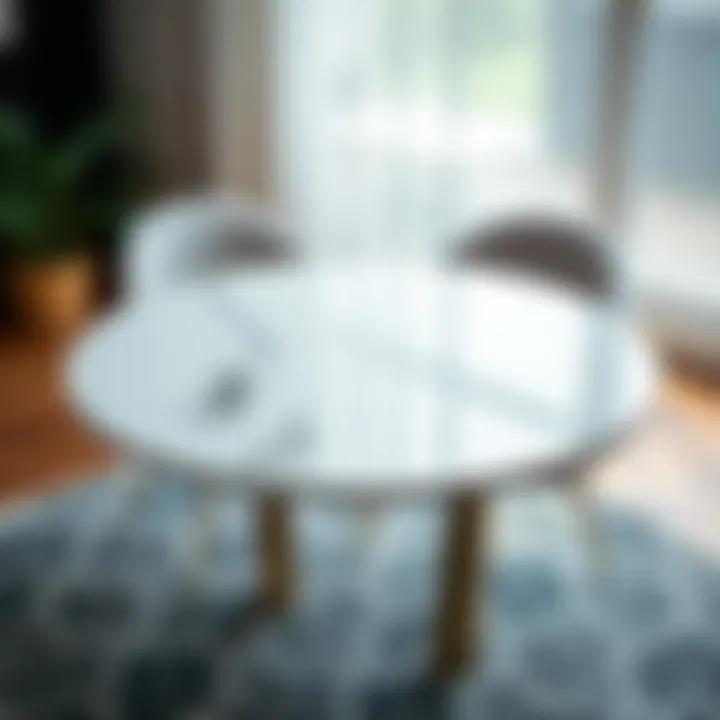
In the realm of home decor, the round card table stands out—not only as a functional piece of furniture but also as a versatile aspect of design that complements various lifestyles. This exploration into round card table tops invites homeowners, designers, and DIY enthusiasts alike to shift their perspective, highlighting the interplay between aesthetics and utility. In the contemporary design landscape, where every square foot of space counts and sustainability becomes paramount, understanding the nuances of round card tables becomes essential.
These tables, often overlooked, serve as centers for social activity, from card games to casual dining gatherings. The structure and top of a round table encourage engagement; they draw people in, breaking the barriers of more traditional rectangular designs. With that in mind, let’s delve into the multitude of styles and trends that are redefining round card table tops today.
Design Inspiration
Trending Furniture Styles
When it comes to designing living spaces, the linear forms of mid-century modern or the rustic feel of farmhouse decor can enhance the appeal of round card table tops. Homeowners looking to make a statement are now gravitating towards bolder choices. Here are a few trends to consider:
- Scandi Minimalism: Characterized by clean lines and functional design, Scandinavian-inspired round tables often focus on light woods and neutral tones, allowing for easy integration into modern homes.
- Industrial Chic: With raw materials like metal and reclaimed wood, round tables in this style bring the outside in, offering a rugged charm to urban settings. The contrast often creates a playful approach to decor.
- Mid-Century Modern: Vintage-inspired pieces remain popular, with designs that boast tapered legs and smooth surfaces. The warmth of walnut or ash can add both style and comfort to any room.
Color Palettes and Combinations
Color choices play a pivotal role in setting the mood of a space. Here are some palettes that enhance the allure of round card table tops:
- Earthy Tones: Shades of green, brown, and terracotta echo a connection to nature and can make a space feel warm and inviting. These colors work well in spaces where relaxation is key.
- Bold Contrasts: Pairing deep blues with bright yellows or oranges creates an energetic environment. This juxtaposition can invigorate a room, making the round table a dynamic focal point.
- Pastels: Soft pinks, greens, and blues bring a subtle elegance. Perfect for smaller spaces or to create a serene atmosphere, pastels can accentuate the curves of the table.
Design Tip: When selecting colors, consider how they pair with existing furniture items. A round table can harmonize or contrast beautifully, depending on the overall theme.
Practical Advice
Furniture Maintenance Tips
A beautiful round card table deserves care to preserve its charm. \nHere are some practical maintenance tips:
- Regular Cleaning: Dust with a microfibre cloth frequently to avoid scratches. Avoid harsh chemical cleaners which can damage the finish.
- Use Coasters: Protect the surface from rings left by drinks with stylish coasters. Cork or felt-backed coasters can both look great and offer protection.
- Monitor Humidity: Wood is sensitive to its environment. Keeping humidity levels stable can prevent warping or splitting.
Space Planning Solutions
In rooms of various sizes, round tables can shine. Here's how to best utilize their form:
- Creating Flow: Place round tables in high-traffic areas where movement is essential. Their design allows for better flow compared to rectangular options.
- Multi-Function: Consider using a round table as a center piece for games, meals, or even as a workspace. Its versatile nature makes it ideal for multifunctional spaces.
- Visual Balance: Use round tables to balance out linear elements in a room. When juxtaposed with rectangular furniture, they can soften the overall layout.
The round card table is not merely a piece of furniture; it's a dynamic part of home design, adapting to the taste and needs of modern living. As we examine further trends towards sustainability and innovative design elements, the adaptability and beauty of round table tops signal a bright future in the world of interior decor.
Prelude to Round Card Tables
Round card tables have carved out a unique niche in both function and aesthetics within home design. Their importance extends far beyond mere seating; these tables serve as focal points during social gatherings, providing a cozy space for games, meals, and conversation. With their adaptable nature, they can breathe new life into any corner of a room. Understanding the role of round card tables is essential for homeowners, designers, and anyone looking to enhance their space effectively.
Historical Context and Evolution
Historically, round card tables date back to the 18th century, emerging as a staple in elegant drawing rooms. These tables were designed for card games, which were immensely popular among the upper class. Early designs boasted intricate carvings and were often made from rich woods like mahogany or walnut, emphasizing wealth and craftsmanship.
As time went on, the designs evolved significantly. In the late 19th century, with the rise of industrialization, round card tables became more accessible to the general public. They were produced in various styles, from ornate Victorian pieces to simpler farmhouse designs. The introduction of new materials, such as plywood and laminate, allowed for even greater diversity and affordability. Today, they come in a spectrum of contemporary styles that blend seamlessly into modern interiors.
Importance in Modern Interior Design
In today’s world of interior design, round card tables are not just functional items; they are a blend of art and utility. Their circular shape promotes a sense of inclusivity, making them perfect for small gatherings where conversation flows easily. Unlike traditional rectangular tables that can seem rigid, round tables soften the atmosphere, fostering engagement and openness.
Moreover, round card tables adapt well to varied design schemes. Whether the theme is cozy rustic, sleek contemporary, or a touch of industrial chic, there's a round card table that fits the bill. The importance of these tables is further accentuated when considering the growing trend of multifunctional spaces in homes, especially in urban environments where space is at a premium. They can double as dining spaces, game tables, or even as a stylish display for decor.
"Round card tables symbolize versatility; their design bridges practicality and elegance, fitting seamlessly into multiple settings."
Design Features of Round Card Table Tops
When discussing round card tables, it’s impossible to overlook the intricacies involved in their design features. These tables are not just surfaces for gameplay; they are significant components of home aesthetics and functionality. Each distinct element—from shape to material—contributes not only to the table's utility but also to how it melds with the surrounding decor. Whether a casual get-together or a formal gathering, understanding these design features enables homeowners and designers to make informed choices that reflect both needs and styles.
Shape and Functionality
The very form of round card tables plays a pivotal role in their overall appeal and utility. Unlike rectangular tables that confine interaction to opposing ends, the circular design promotes inclusivity. Everyone seated at the table engages equally, thus enhancing the social atmosphere.
This shape is particularly beneficial in smaller spaces, allowing seamless movement around the table while maximizing seating capacity. Consider how a round table fits snugly into a corner or under a window, freeing up pathways and creating an intimate setting. The functionality of these tables extends beyond gaming, accommodating everything from casual dining to art projects. Their adaptability ensures they remain relevant regardless of usage.
Surface Material Options
Wood
Wooden tables have always been treasured for their warmth and classic beauty. The natural grains and patterns in the wood can transform an ordinary table into a centerpiece. This material is also known for its durability. A well-crafted wooden table may last decades, weathering the trials of family gatherings and game nights without losing charm.
However, wood does require care. It may be susceptible to scratches and can warp with moisture. Choosing a hardwood, such as oak or walnut, can mitigate some issues, but understanding the upkeep is crucial for long-term use.
Glass
Glass tops, often paired with metal or wooden bases, add a modern flair and an illusion of spaciousness. The transparency of glass allows the table to blend into any decor without overwhelming the room visually. This material is easy to clean and resistant to stains, making it a practical choice for homes with children or frequent gatherings.
On the downside, glass can be prone to chipping or shattering, which might not sit well with families preferring long-term stability. However, tempered variants offer increased durability, striking a good balance between style and safety.
Metal
Metal tables present a sleek, modern aesthetic. Stainless steel and aluminum are popular for their resilience against rust and easy maintenance. The cool finish of metal suits contemporary spaces, adding an industrial touch that can be quite striking.
Yet, metal can be less inviting than wood or glass—its hard surface might not encourage lingered conversations at the table. Additionally, temperature sensitivity poses a challenge; a bare metal top can be uncomfortably hot or cold to the touch depending on the environment.
Composite Materials
Composite tables often merge various materials, offering benefits from multiple sources while mitigating individual weaknesses. This might include the appearance of wood and the durability of synthetic materials, creating a robust and visually appealing option.
Typically, composites are lighter, making for easier mobility while retaining structural integrity. However, some may struggle with aesthetics, appearing less authentic compared to their natural counterparts. They’re durable but can sometimes sacrifice a bit on style.
Customization Possibilities
Customization in round card table tops transforms a functional piece of furniture into a personal statement that reflects individual taste.
Finishes
The finish on a table not only protects it but also alters its character dramatically. Glossy finishes can bring a touch of elegance, while matte surfaces offer a more understated charm. Each finish provides a different feel and alters reflection, light play, and overall presence in the room. Choosing the right finish aligns the table with the broader design language of the space.
Colors
Color dictates mood and perception. A bold color can act as a focal point, sparking conversation, while softer tones can promote tranquility and cohesion with existing decor. Consider how the chosen color plays with the theme of the interior—complementary shades can enhance the overall harmony of the room. Neutral colors remain popular since they can adapt as design trends evolve.
Sizes
Size matters when it comes to round tables. The correct diameter directly affects seating capacity and visual space in the room. A table too large may dominate the area, whereas one too small could get swallowed by its surroundings. Often, specifying the size contributes to balancing functionality with aesthetic appeal—ensuring the table serves its purpose without overwhelming the setting.
By exploring these features, round card table tops can elevate not just the function of game and social interaction but can also serve as striking elements in interior design.
Practical Uses of Round Card Tables
Round card tables are not just a pretty face in your home; they serve a myriad of practical functions that can enhance your living space. Their unique shape and compact design make them an ideal choice for various activities, catering both to casual gatherings and more structured events. From entertaining guests to providing a cozy dining experience, these tables fit seamlessly into everyday life. Let's delve into some specific aspects of their practicality, exploring how they can meet your needs effectively.
Entertainment and Gaming

Nothing quite captures the spirit of a game night like a round card table. The circular shape invites interaction, drawing everyone in and fostering camaraderie. Whether it’s a lively poker night with friends or a quieter evening of board games with family, this table ensures that no one is left out. Its design encourages players to engage across the table, making it perfect for strategy and conversation.
In recent years, we’ve seen a surge in themed game nights evolving into elaborate social events. Round card tables serve as perfect hubs for food and drinks too. You can set up a snack bar right alongside the game, keeping the energy flowing.
"A round card table can transform an ordinary night into an unforgettable experience, enabling friends and family to bond over shared activities."
Dining and Social Interaction
Round card tables offer a welcoming atmosphere for dining, making meal times feel less formal while still being efficient in space. An intimate dinner party or a casual brunch becomes a more relaxed affair when seated at a round table. Guests can engage in conversation without the stiffness of corners getting in the way. It allows for a smoother flow of dialogue, which now more than ever encourages better social interactions.
In many homes, these tables adapt beautifully to small-scale dining settings. You don’t need a massive dining room to have a dinner party. Even in compact apartments, a round table can serve its purpose without overcrowding the space. Many designers recommend using these tables in open-concept layouts where they can act as a subtle divider, maintaining flow without the usual clunky feel.
Multi-Functionality in Small Spaces
When space is at a premium, round card tables shine as multi-functional furniture. They can easily transition from a dining spot to a workspace or even an art station. The versatility makes them a smart choice for those living in smaller homes or apartments. With a few changes in decor or table settings, the same table can serve different purposes throughout the day.
For example, one could utilize the round table for an early morning breakfast and then, later, a versatile spot for hobbies such as crafting or studying. There are collapsible options available, allowing you to tuck them away when not in use, which is a practical solution for limited space.
If organized efficiently, these tables can serve dual purposes simultaneously. Think about placing a small vase or a book stand that can lend itself both to decoration and function.
Styling Round Card Tables
Styling round card tables goes beyond mere aesthetics; it serves to create a feeling of harmony and thoughtfulness in living spaces. Tables that blend seamlessly into the decor amplify their functional aspects, while also becoming charming focal points. Choosing the right decor styles and accessories is crucial not only to enhance visual appeal but also to ensure these tables resonate with the overall atmosphere of the home.
Incorporating into Various Decor Styles
Contemporary
The contemporary style centers on simplicity and cleaner lines. This design choice brings a breath of fresh air to any room, providing a sleek environment that feels downright effortless. Round card tables in this style often showcase streamlined silhouettes made from materials like glass or metal.
One key characteristic of contemporary design is its adaptability; it can seamlessly mesh with various elements from minimalist decor to vibrant artistic touches. A contemporary styled table works well for its blend of functionality and visual intrigue. Unique features may include innovative shapes and fresh colors, allowing users to express personal tastes without compromising elegance.
However, caution is needed here. Sometimes, too much focus on minimalism may come across as cold or impersonal, requiring thoughtful selection of other pieces to create warmth.
Rustic
The rustic style conveys a sense of warmth and coziness, often drawing from nature. Characteristics include wood finishes, especially reclaimed timber, and a more textured appearance, conveying timelessness and comfort.
Choosing a round card table styled in the rustic manner adds not only charm but also relates to our innate desire for natural materials. Unique features, such as exposed grains and knots in wood, enhance the table's authentic appeal. This look is favored by many for its ability to create inviting spaces that encourage sharing and conversation.
On the downside, rustic tables might require more upkeep, as surfaces can be prone to scratches or stains, so care must be taken to maintain their aesthetic integrity.
Modern Minimalist
Modern minimalism embraces the philosophy of 'less is more,' focusing on essential forms and stripping away the non-essential. This style is both intentional and deliberate, aiming for a clean and uncluttered look that can be incredibly freeing. Round card tables in this category are typically crafted from materials such as polished wood or metal, often arriving with a sharp, no-frills approach.
The primary characteristic of a modern minimalist table is its straightforward design devoid of embellishments. This can sometimes be reflected in monochromatic palettes or subtle variations in texture. For many homeowners, this style is appealing due to its versatility across decor themes and the calming effect it has on spaces.
Still, one must note that minimalist designs can walk a fine line between chic and stark, making it essential to thoughtfully incorporate softer accessories to balance that starkness.
Accessorizing for Impact
Table Linens
Table linens play e crucial role in styling round card tables. They offer a quick way to inject color or texture, making them a favorable choice for various gatherings. Whether one opts for a simple tablecloth or a more intricate runner, these linens can tie colors and themes together.
They also allow for easy transitions between casual and formal settings, providing flexibility for different occasions. However, over-reliance on table linens can lead to cluttered visuals, so moderation is key.
Centerpieces
Centerpieces act as a conversation starter, encouraging interaction among guests. They can range from floral arrangements to unique sculptural pieces. Choosing the right centerpiece not only adds visual intrigue but can also echo the style of the table itself.
While a centerpiece anchors the design, one must be cautious of scale and proportion. Too tall or wide a centerpiece can hinder conversation and obstruct sightlines across the table.
Lighting
Lighting is a game changer when it comes to styling round card tables. Proper illumination breathes life into the decor, allowing it to shine in the right light. Whether it's pendant lights hanging above or candles adorning the table, lighting choices enhance the ambience.
The key feature of effective lighting is its ability to create mood. Soft, warm tones can envelop a table in a welcoming glow, suitable for an evening gathering. However, over-bright or harsh lighting may feel jarring, diminishing the table’s visual appeal.
The thoughtful combinations of style and accessorization can transform ordinary round card tables into extraordinary centerpieces that impact the overall vibe of a space.
The Future of Round Card Table Tops
As we navigate a rapidly changing world, the future of round card table tops embodies the intersection of functionality and design. Homeowners, designers, and decorators alike are increasingly looking for pieces that not only serve a purpose but also enhance the aesthetic of a space. These tables, which traditionally have been more of a utilitarian object, are evolving into stylish focal points that reflect personal taste and respond well to modern challenges in home design.
Technological Innovations
Smart Features
The advent of smart features in round card table tops is heralding a new era for this traditional furniture piece. Imagine a table that could customize its surface temperature for comfort or sync with your smart home system to remind you of game nights or family dinners. One standout characteristic is the ability to integrate wireless charging capabilities, turning an ordinary table into a hub of activity. This level of tech-savviness appeals particularly to tech-savvy homeowners who seek seamless integration of innovation into their daily lives.
However, the biggest draw for smart features lies perhaps in their convenience. For instance, tables that display interactive game interfaces allow users to play card games or board games right on the table surface without needing additional devices. Though these advancements make life easier, they do carry some disadvantages, such as potentially high costs and the need for constant updates. These smart tables push the boundaries of what furniture can achieve, making them a hot topic for trend-watchers in the interior design community.
Sustainability in Design
Sustainable furniture is no longer a trend; it’s becoming a necessity, and sustainability in design plays a crucial role in shaping the future of round card tables. The spotlight is on using recycled materials, like reclaimed wood and eco-friendly composites, underscoring a commitment to protecting our planet. A key characteristic of this approach is the focus on minimizing environmental impact, making it increasingly popular among homeowners who value eco-conscious products.
A unique aspect of sustainability in design is the lifecycle assessment that many manufacturers are adopting. This means considering the table's impact from production to disposal. While these tables may come at a higher initial cost, they often lead to savings in the long run through durability and reduced maintenance needs. However, potential buyers should weigh these benefits against limited availability and the sometimes higher price points of truly sustainable materials.
Trends to Watch
Eco-Friendly Materials
The shift towards eco-friendly materials is significantly reshaping the landscape of round card tables. With an increasing number of consumers wanting to make green choices, manufacturers are responding by sourcing materials that have a lower carbon footprint. One noteworthy characteristic of these materials is their ability to mimic traditional aesthetics, allowing homeowners to have beautiful furniture without sacrificing their values.
For instance, tables made from bamboo or recycled glass not only provide a unique look but also promote a message of environmental stewardship. However, while these options are becoming more popular, they may also have limitations in terms of durability and may require more care than traditional materials. Nonetheless, their rise reflects a growing awareness and responsibility toward the environment in furniture choices.
Adaptable Designs
Adaptable designs are gaining momentum in the realm of round card table tops, aligning perfectly with the modern living trend of maximizing space. These multifunctional pieces can transform to suit various needs—whether for cozy family gatherings or larger entertaining events. A key characteristic of adaptable designs is their versatility; a table can extend or collapse, or even include built-in storage for cards and game accessories.
Such designs are attractive not only for their practicality but also for their aesthetic flexibility—they can blend seamlessly with various decor styles, from contemporary to rustic. However, it’s worth noting that while they often impress in adaptability, they may not always maintain the same level of sturdiness as traditional tables. Homeowners may find their appeal lies in the ability to cater to specific needs rather than raw strength. With these elements combined, adaptable designs assure that tables remain relevant and functional in diverse and dynamic interiors.
This future-forward approach towards round card table tops signifies an exciting shift in design philosophy, balancing style with purpose, and introducing innovation into everyday life.
Ending: Making Informed Choices
As we wrap up our thorough exploration of round card table tops, it’s crucial to emphasize the significance of making informed decisions when selecting the right one for your space. The unique blend of design, functionality, and current trends helps homeowners and designers alike shape their environments in a way that not only addresses practical needs but also aligns with personal aesthetics. Choosing a round card table requires a careful consideration of various factors, balancing style with utility and ensuring that your selection enhances rather than detracts from your living space.
Evaluating Needs and Aesthetics
When deciding on the perfect round card table, it’s essential to start by evaluating your specific needs. This means asking yourself several pertinent questions:
- How will the table be used? Think beyond the immediate use for card games. Do you require a space for dining, crafts, or casual gatherings? Knowing its primary function helps narrow down your options.
- What is the size and layout of your space? Measure the available area to determine the appropriate dimensions for your table. A large table in a small space can lead to cramped quarters, whereas a tiny table may feel lost in a grand room.
- What design elements resonate with you? Consider both the overall decor of your home and your personal tastes. From a sleek, modern glass top to a rustic wooden finish, your table should either complement existing furniture or serve as an eye-catching centerpiece.
Ultimately, striking this balance between utility and style is key to choosing a round card table that perfectly fits your needs and complements your aesthetic.
Investment and Longevity
Investing in a round card table can be about more than just the initial purchase; it reflects a broader commitment to quality and longevity. Factors to consider include:
- Material durability: Choosing tables made from high-quality materials like solid wood or treated metals ensures they can withstand the rigors of daily use. This increases their lifespan and decreases the frequency of replacement.
- Maintenance considerations: Some materials require more upkeep than others. While a glass top may look chic, it can show fingerprints and grime quickly. Conversely, a well-sealed wooden table can be easier to maintain while providing a warm, inviting look.
- Style versatility: A timeless design can adapt to changing tastes and trends, making it a smart investment. Opting for a classic finish or color can ensure that the table remains relevant in your home for years to come.