Maximizing Space with Small Corner Wardrobe Closets
Intro
When it comes to optimizing a living space, few aspects are as critical as smart storage solutions. Small corner wardrobe closets often get overlooked, yet they can serve as the unsung heroes of home organization. Imagine, for a moment, that strategic nook in your bedroom or living room—an area just waiting to be transformed from wasted space into a functional storage sanctuary. This article sets out to explore the intricate world of small corner wardrobe closets, diving deep into their design potential, practical applications, and innovative storage solutions.
Homeowners and design enthusiasts alike will benefit from the insights provided here, revealing how these compact structures can enhance both the style and functionality of any space. Let's kick things off with a good look at some design inspiration that taps into current trends.
Foreword to Small Corner Wardrobe Closets
The concept of small corner wardrobe closets has garnered a fair bit of attention lately, especially among homeowners wanting to maximize their living spaces without compromising on style. As homes grow smaller or rooms need to serve multiple purposes, optimizing every nook and cranny becomes crucial. Corner wardrobes offer not just a clever storage solution but also a chance to enhance the room's aesthetic appeal.
These wardrobes fit snugly into the often-ignored corners of a room, transforming what could be dead space into functional storage. They provide an excellent alternative to traditional closets, making it possible to utilize areas like corners that frequently go unnoticed. This is particularly relevant in urban settings, where every square foot matters.
Whether you're aiming to de-clutter or simply wish to upgrade your storage capabilities, small corner wardrobe closets present a unique blend of functionality and style.
Understanding the Concept
At first glance, one might think that wardrobes are just basic closets with hanging space. However, small corner wardrobe closets encapsulate much more than the average setup. Imagine a closet that angles perfectly into the corner, thus minimizing floor space while providing ample room for clothing and accessories, effectively turning an underutilized area into a vital functional component of your home.
These wardrobes can be designed in a myriad of styles, varying from sleek, modern designs to classic wooden finishes. Their versatility means they can either blend seamlessly into your decor or stand out as a statement piece. For example, a well-crafted corner wardrobe with mirrored doors can not only serve a functional purpose but also enhance the illusion of space within a room.
Benefits of Corner Spaces
One essential consideration of small corner wardrobes is the myriad of benefits they offer:
- Space Efficiency: Corners are often neglected, yet they are prime real estate. Using this space effectively can drastically improve your room's organization.
- Enhanced Accessibility: Well-designed corner wardrobes make it easy to access clothing and accessories without the need for excessive bending or stretching.
- Aesthetic Appeal: They can be custom-designed to fit your style, thus adding a unique flair to your room that typical closets might lack.
- Adaptability: Corner wardrobes can adapt to your changing needs. As time goes on, you can shift the items stored there without having to restructure your storage entirely.
- Increased Property Value: Smart storage solutions can enrich the appeal of your home, potentially increasing its value, especially for prospective buyers who appreciate functional design.
"A cluttered room is often a reflection of a cluttered mind." - This saying rings true, especially when considering how effective corner wardrobes can assist in keeping both your space and mind organized.
Design Considerations
When it comes to utilizing small corner wardrobe closets, design considerations play a critical role in maximizing both functional and aesthetic aspects of the space. A well-thought-out design not only optimizes storage but also enhances the overall appearance of the room. It's a dance between practicality and style – finding the balance to create an area that feels both organized and inviting.
Assessing Available Space
The foundation of any effective design begins with a thorough assessment of the available space. Measure the dimensions of the corner you have in mind, taking note of any architectural features like windows, heaters, or electrical outlets. Consider how much height, width, and depth you can work with. It's not just about fitting a wardrobe in there; it’s about making sure there's enough room to navigate easily.
Start by sketching a rough blueprint. This will give you a clearer vision of how the wardrobe could fit into your space while allowing for other furniture or decorations. Keep in mind the proportions of the wardrobe relative to the corner – a bulky wardrobe in a small nook may overpower the area.
Some might opt for simple solutions, while others prefer a custom project that caters specifically to their needs. The aim is to ensure the wardrobe not only utilizes the corners but also complements the overall room design. By thinking through how you’ll access your items too, you avoid clutter and frustration later on.
Aesthetic Integration
After evaluating the space, it’s crucial to consider aesthetic integration. A corner wardrobe should blend seamlessly into the surrounding decor rather than standing out as an eyesore. Think about the existing color palette, materials, and overall style of the room.
For instance, if your home embodies a rustic charm, opting for a wooden wardrobe with a weathered finish might add a touch of warmth. On the flip side, if you live in a contemporary space with sleek lines, a minimalist wardrobe with a glossy white finish can preserve that modern vibe.
Consider features such as:
- Sliding doors: These conserve space while maintaining a clean look.
- Mirrored fronts: Not only practical for dressing, but they also create the illusion of a larger space.
- Lighting: Built-in lighting can enhance the wardrobe's appearance and functionality.
By ensuring that the aesthetic elements complement each other, you create a cozy and inviting atmosphere that doesn't feel cramped or chaotic.
Custom vs. Pre-made Options
When deciding on a new wardrobe, you face the choice between custom and pre-made options. Each has its own set of benefits and factors to consider.
- Custom wardrobes enable complete personalization. You can dictate everything from dimensions to material choices, ensuring the wardrobe meets your exact specifications. This level of customization can be particularly beneficial in corners where standard sizes may not suffice. However, this usually comes at a higher price and may require more time for design and installation.
- Pre-made wardrobes, on the other hand, offer a quicker solution. They can be more affordable and often come in standard styles that cater to various tastes. However, finding the right fit may require some compromises. It’s essential to explore meticulously to ensure the style aligns with your vision and that size constraints will not limit functionality.
Ultimately, the choice between custom versus pre-made depends on your budget, timeline, and specific needs. Each has its perks, so consider your priorities wisely.
"Good design is about making the most of what you have. It's not just about filling space; it's about creating a feeling."
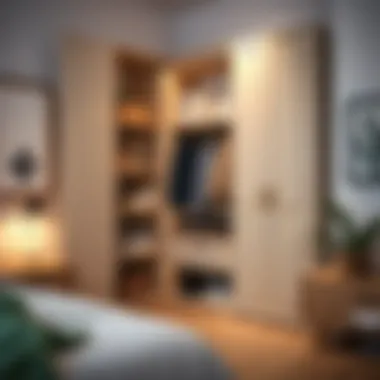
In summary, thoughtful design considerations are vital for maximizing the potential of small corner wardrobe closets. By assessing the available space carefully, integrating aesthetics harmoniously, and weighing custom against pre-made options, homeowners and designers can create storage solutions that are not only practical but also pleasing to the eye.
Materials and Finishes
When considering small corner wardrobe closets, the materials and finishes play a significant role in both functionality and aesthetics. The choice of materials can dramatically affect not only the longevity of your wardrobe but also how it fits within the overall design of your space. From rustic woods that add warmth to sleek metals that convey modernity, understanding the materials and finishes can help homeowners, designers, and decorators make informed decisions that complement their unique style and needs.
Wood Types
Wood has long been favored for furniture-making, and corner wardrobe closets are no exception. The type of wood you choose can greatly influence both appearance and durability. Here are some common wood types to consider:
- Pine: Known for its lightweight nature and affordability, pine is an excellent choice for budget-conscious designs. Its natural grains give a rustic feel, making it suitable for casual settings.
- Oak: A strong, durable wood that can withstand daily wear and tear, oak offers a timeless beauty. Its grain patterns can add richness to the wardrobe, aligning well with traditional and contemporary designs alike.
- Maple: Maple is dense and can be sanded to a fine finish, making it a popular choice for those wanting a sleek, modern look. Its light color works well with various decor styles.
When selecting wood, consider the treatment process as well. For example, finished wood can help protect against scratches and moisture, crucial for any wardrobe’s lifespan.
Metal Elements
In the quest to maximize space, metal elements are increasingly popular in wardrobe design. Metals offer both functionality and a modern edge. Here are some typical metal components and their benefits:
- Aluminum: Lightweight and resistant to corrosion, aluminum frames can give your corner wardrobe a minimalistic feel. They are ideal for sliding doors, adding a sleek appearance without consuming extra space.
- Stainless Steel: Renowned for its strength and elegant finish, stainless steel fittings ensure durability. Handles, hinges, and other hardware made from stainless steel can add an industrial touch to your closet.
- Brass: Often overlooked, brass offers a vintage charm to modern designs. The warm tones can create a striking contrast against wooden panels and can elevate the overall style of the wardrobe.
Utilizing metal not only enhances durability but serves as a design statement. Mixing materials—such as wood and metal—can lead to a balanced and visually appealing wardrobe.
Sustainable Choices
In today’s world, opting for sustainable choices is paramount. Eco-friendly materials can contribute to a healthier environment while still providing stylish options for corner wardrobes. Here are some considerations:
- Reclaimed Wood: Utilizing reclaimed wood not only gives a unique character to your wardrobe but also helps reduce waste. Each piece tells a story, rich in history and charm, making it perfect for rustic or eclectic themes.
- Bamboo: This rapidly renewable resource is incredibly strong and lightweight. Bamboo wardrobes are often finished with low-VOC (volatile organic compounds) paints, making them healthier choices for indoor air quality.
- Eco-Friendly Finishes: Look for finishes that are free of harmful chemicals. Natural oils and water-based stains provide protection while minimizing environmental impact.
By choosing sustainable materials, homeowners can create a functional wardrobe that reflects their values.
Ultimately, the materials and finishes of a small corner wardrobe closet can define not just the look, but its overall functionality and presence in your home.
Functional Features
When it comes to small corner wardrobe closets, understanding the functional features is essential for both maximizing space and enhancing usability. Unlike traditional wardrobe designs, the corner format requires a more thoughtful approach to storage and accessibility. The right functional features can turn an awkwardly shaped corner into a chic and efficient storage solution, allowing homeowners and designers alike to make the most out of limited real estate.
Among various aspects of functional features, we focus on three major components: shelving options, hanging solutions, and pull-out systems. Each of these elements contributes uniquely to improving the functionality of the wardrobe. Without these considerations, a wardrobe could become cluttered, hard to navigate, and ultimately underutilized.
Shelving Options
Shelving serves as the backbone for organizing a corner wardrobe closet. Optimal shelving can create opportunities to store different types of items, from shoes to accessories. The key is to balance accessibility and storage depth. You might opt for adjustable shelving; this flexibility allows changes as your storage needs evolve. For example, if you decide to increase your shoe collection, you can rearrange the shelves to accommodate your favorites.
Another worthwhile approach is to utilize corner shelves. These not only leverage the often wasted space in the corner, but they also provide easy visibility of your items. You may choose open shelves for quick access, or enclosed styles, which can help keep dust at bay.
"When designing your wardrobe, consider the flow. It’s all about making items easy to grab while avoiding overcrowding."
Hanging Solutions
Next in line, hanging solutions are crucial for maximizing vertical space, especially for items that wrinkle easily, like shirts and dresses. One effective strategy is to install a double hanging rod. This allows you to hang shorter garments beneath longer ones without a hitch, thus optimizing every inch of the wardrobe.
You can even explore multi-tiered hanging systems. These systems involve hooks or rods that allow you to hang multiple items in layers. This setup can be particularly advantageous in a corner wardrobe, where sometimes the space can be restricted. Just keep in mind to choose rods made from sturdy materials; reliability is key here.
Pull-out Systems
Lastly, we have pull-out systems, which can revolutionize accessibility. These systems can include pull-out racks for shoes, pants, or accessories. Pull-out shelves are particularly useful because they can be mounted close to the door of the wardrobe, allowing you to access all items without climbing in or reaching too far inside.
Adding a pull-out tie or belt organizer can keep your smaller accessories neat and tangle-free. These innovations not only save time during your morning routine but also help maintain organization, making your corner wardrobe a breeze to use.
Organization Techniques
In the realm of small corner wardrobe closets, organization techniques play a pivotal role in transforming clutter into harmony. An effective organization strategy not only maximizes the available space but also enhances functionality and ease of access for all items. Keeping in mind that every inch counts, a well-organized wardrobe can become a haven rather than a hassle.
Categorization of Items
When it comes to organizing your corner wardrobe, the first step is to categorize your items. This involves sorting clothing and accessories by type, use, or even season. For instance, hang your dresses and suits together for easy access on special occasions, while keeping casual wear and loungewear grouped for everyday use.
"A place for everything, and everything in its place."
Moreover, consider sorting by color or fabric type. This not only makes locating desired pieces simpler but also adds a pleasant visual appeal to your space. Take advantage of small dividers or trays to keep accessories, belts, and scarves separated. By categorizing effectively, you ensure that your wardrobe isn’t just functional but aesthetically pleasing as well.
Maximizing Vertical Space
Vertical space is often the most underutilized aspect of small corner wardrobes. To make the most of this space, think upwards. Install additional shelves above the standard ones to store seldom-used items or seasonal clothing. For instance, placing bins or boxes at the top can help keep things tidy while still being out of the way.
Using vertical hangers is also a smart move. These hangers allow multiple items to be hung in a single section, freeing up rod space for longer garments like dresses or coats. In doing so, you open up the wardrobe to accommodate more items without overcrowding.
Use of Baskets and Containers
Baskets and containers are the unsung heroes of organization within corner wardrobes. They come in a variety of shapes and sizes, making them perfect for stashing away smaller items like shoes, accessories, or out-of-season clothes.
Take woven baskets, for example. They can add a touch of style while serving a practical function. Labeling each basket can also streamline the process of finding specific items. Clear containers can be beneficial for those who prefer visibility; seeing everything at a glance means there’s less time rummaging around.
Incorporating Style into Functionality
When it comes to optimizing small corner wardrobe closets, one can’t overlook the marriage of style and functionality. A wardrobe in the corner might often seem like just another storage unit, but it has the potential to become a striking design element that complements your living space. The significance of incorporating style into functionality lies in the dual benefits it offers: a visually appealing environment that also serves its primary purpose efficiently. Homeowners might think that additional aesthetic features can take up valuable space, but clever design allows for style without sacrificing utility.
One might ponder the principles of organization amid the design elements. After all, a cluttered area, regardless of style, can dampen the overall charm of a room. Focusing on small corner wardrobes encourages a thoughtful integration of both aspects. This leads to the creation of a cohesive look that reflects personal taste while ensuring that it remains practical.
Choosing Color Schemes
Color has a powerful impact on mood and perception. Selecting the right color scheme for a small corner wardrobe can elevate both its function and its aesthetic appeal. Light colors, such as soft whites or pale pastels, can make a cramped corner seem larger and airier. They reflect light and create an illusion of space. On the other hand, deeper hues, like navy blue or forest green, can add a dramatic touch of elegance and warmth, making the piece a statement without overwhelming the room.
Think about the overall color palette of the space you’re working within. If your room already has bold or dark tones, then a bright wardrobe can provide a much-needed contrast, drawing the eye and becoming a focus in the room. Consider your personal style too. You may prefer a monochromatic approach where different shades of the same color create a harmonious look.
"The right color scheme can transform any storage space into a visual delight that speaks to your style."
Here are some ways to consider color when planning:
- Complementary Colors: Pair a wardrobe with shades that complement walls or decor.
- Accent Colors: If your room features artwork or furnishings in certain colors, use those shades to tie the wardrobe visually to the rest of the space.
- Neutral Base: A neutral wardrobe can serve as a blank canvas for changing decor or accessories over time.
Adding Decorative Elements
Decorative elements are often viewed as the icing on the cake in home design; they can certainly elevate the look of your wardrobe. But the trick is to ensure they serve a purpose too. Think beyond just aesthetics; consider how elements can enhance functionality.
For instance, hooks on the exterior can be both practical and stylish. They can hold light jackets or accessories, keeping them handy but also adding an interesting visual layer. Mirrors are another excellent addition—they can create the illusion of more space while serving as a functional item for getting ready.
Some additional decorative elements to consider:
- Shelving Décor: Place stylish baskets or decorative boxes on shelves to organize smaller items without sacrificing style.
- Lighting: Under-cabinet lighting can illuminate the wardrobe interior, making it both user-friendly and attractive.
- Colorful Handles and Pulls: Switching out ordinary handles for decorative ones can be a quick and impactful upgrade.
By artfully combining these elements, you can design a wardrobe that’s not only practical for storage but also carefully curated to reflect your unique style. The journey of integrating aesthetic aspects into a compact wardrobe begins with vision and thoughtful execution, setting the stage for a harmonious living space.
Innovative Design Trends
In today's compact living environments, the need for efficient use of space poses an ongoing challenge for homeowners and designers alike. Innovative design trends have emerged to tackle this dilemma, particularly in maximizing the utility of small corner wardrobe closets. These trends not only focus on functionality but harness creativity, offering practical designs that align with modern aesthetics. By ensuring a strategic approach to both layout and visual appeal, these trends provide solutions that are beneficial for various residential settings.
Multi-purpose Wardrobe Solutions
Multi-purpose wardrobe solutions have become a cornerstone in innovative design. By integrating different functionalities into a single piece, these designs maximize what limited space offers. For instance, a corner wardrobe can incorporate a combination of hanging space, shelving, and even a compact desk area. These designs often infuse elements like foldable sections that allow for seamless transitions between uses.
Benefits include:
- Space Efficiency: Every inch of the corner is utilized, eliminating wasted area.
- Versatility: Adaptability for changing needs as personal or family situations evolve.
- Streamlined Look: Reduces clutter by compactly organizing various items in one functional unit.
To illustrate, consider a corner unit that features slide-out racks for shoes alongside hanging sections for blouses and trousers. A pull-down shelf could even serve as a small workstation. These design features demonstrate that even in small spaces, one can achieve multiple functionalities without feeling cramped.
Open Concept Designs
Open concept designs redefine the traditional approach to wardrobe spaces. In a corner wardrobe context, this trend encourages breaking down visual barriers, allowing for integrated looks that blend seamlessly with the surrounding environment. Rather than using opaque doors, many designers are opting for transparent or semi-transparent materials. This shift can make small rooms appear larger and more open.
Key considerations when adopting open concept designs include:
- Visual Cohesion: Align the wardrobe's style with adjoining areas for a harmonious look.
- Accessibility: Ensure easy access to stored items without compromising aesthetics.
- Lighting Use: Strategically place lighting to enhance visibility and showcase the contents of the wardrobe.
An example might be using glass sliding doors combined with well-placed LEDs to create both a striking visual impact and improve functionality. This design not only serves its purpose but adds to the overall decor of the room, making the corner wardrobe a focal point rather than just a practical installation.
"The key to maximizing space lies in design that is both functional and visually appealing, ensuring that small corners become vital parts of the overall space rather than mere afterthoughts."
These innovative design trends are not simply about keeping up with the times; they reflect a deeper understanding of how we interact with our living spaces daily. As more people embrace smaller living arrangements, the importance of design trends that focus on strategic usage of corner wardrobes cannot be overstated.
Case Studies of Successful Integrations
Examining real-world applications of small corner wardrobe closets offers rich insights into their practical viability. These case studies highlight how innovative designs, functional approaches, and strategic choices can transform small spaces effectively. It is not just about storage; it's about creating a harmonious environment where every inch counts.
Urban Apartments
In the bustling life of urban apartments, space is often at a premium. For instance, consider a charming one-bedroom flat in downtown Seattle. The owner, faced with a cramped layout, opted for a custom-built corner wardrobe closet that blended seamlessly with the existing decor. By using light wood and transparent sliding doors, they achieved an illusion of spaciousness while still enjoying vast storage capabilities.
Benefits of This Approach:
- Optimized Floor Space: By utilizing the corner, the wardrobe didn’t intrude into the living area, thus maintaining the apartment feel.
- Improved Access: The configuration allowed for easy access to clothes and accessories, minimizing clutter in the main living area.
- Stylish Design: The use of sleek finishes turned a typically mundane storage solution into a stylish focal point.
This specific case exemplifies that in the urban jungle, a well-thought-out corner solution can transcend mere functionality and evolve into an integral element of the home’s design.
Small Homes
Turning our focus to small homes in rural areas, let’s take a look at a quaint cottage in the outskirts of Asheville, North Carolina. The homeowner employed a small corner wardrobe closet that was crafted from reclaimed barn wood, thereby ensuring both sustainability and aesthetic value. The rustic charm of the wardrobe matched the overall vibe of the home, showcasing that small details matter immensely in cohesive design.
Key Considerations:
- Functional Aesthetics: Sustainable materials not only enhance functionality but also tell a story, adding to the character of the space.
- Zone Creation: The corner wardrobe helped in demarcating the sleeping area from the common space, fostering a sense of order in a compact layout.
- Creative Utilization: Built-in shelves within the wardrobe utilized vertical space for shoes and accessories, highlighting the beauty of customized design.
This example serves as a reminder that every corner of a home, regardless of its size, can foster creativity and innovation in storage solutions, proving that small homes can be just as efficient and lovely as larger ones.
Practical Tips for Maintenance
Maintaining a small corner wardrobe closet is essential not just for its longevity but also to enhance its functionality over time. If kept in good condition, these spaces can serve well for many years. Regular care can help you avoid digging through heaps of clothes or not finding essentials when you need them most. Here are practical tips to ensure your wardrobe remains a beacon of organization and style.
Regular Cleaning
Cleaning is the foundation upon which maintenance stands. A cluttered, unkempt closet can quickly become a breeding ground for dust and allergies. To keep a small corner wardrobe in good shape, establish a cleaning routine. A simple approach includes:
- Weekly Quick Clean: Dust surfaces and shelves, and inspect for any items that may have been left behind.
- Monthly Deep Clean: Take everything out, give all surfaces a thorough wipe, and evaluate the condition of your items. This step allows you to see what needs repairs or possibly even donations.
- Use Gentle Cleaners: When wiping down surfaces, choose non-toxic cleaners to maintain integrity and scent of wood or metal.
Moreover, implement a habit of seasonal purging. After each season, go through the wardrobe and decide what items are worth keeping. Not only does this promote cleanliness, but it also allows you to keep your wardrobe current with your style.
Checking the Structure
A well-structured wardrobe closet is like the spine of your immediate organization. Regular checks on the structural elements ensure that nothing falls apart when you need it most. Look for:
- Hinges and Doors: Ensure all hinges are well-functioning; squeaky or loose door hinges can lead to issues. A dab of silicone lubricant can do wonders.
- Shelves and Rods: Make sure shelving holds the weight of your items without sagging. Consider reinforcing shelves or adding brackets if needed.
- Overall Stability: Periodically check for any shifts or wobbles in the closet structure. Tightening screws or addressing base issues early can save a lot of time later on.
"A stitch in time saves nine"—this old adage perfectly captures the essence of timely maintenance. Addressing small issues promptly can prevent larger problems down the road.
Closure
In summing up the exploration of small corner wardrobe closets, it's clear that maximizing space in a compact setting can be both an art and a science. Corner wardrobes, often overlooked, present opportunities that homeowners and designers should not ignore. By astutely utilizing these often-wasted spaces, individuals can enrich their interiors while enhancing functionality.
Recap of Key Insights
To wrap things up:
- Optimal Use of Space: Corner wardrobes are excellent for utilizing space that is often underused. The unique shape allows for creative storage solutions that might not be feasible with traditional setups.
- Diverse Designs: The variety of designs available—from sleek modern styles to more classic approaches—means there's something to fit practically any decor. This diversity further elevates both the function and aesthetic of a room.
- Adaptability: With features such as adjustable shelves and various hanging solutions, users can tailor the wardrobe to meet their specific needs, making it versatile in accommodating a range of items.
- Material Choices: Selecting the right materials plays a pivotal role in durability and style. Wood for warmth, metals for industrial vibes, or eco-friendly selections for sustainability; the choices can transform the wardrobe into a focal point of the room.
- Organization Techniques: Implementing effective organization strategies—like using baskets, optimizing vertical space, and categorizing items—ensures that these wardrobes function not only as storage spaces but also as an organized sanctuary for belongings.
Future Perspectives on Wardrobe Designs
Looking ahead, the trends in wardrobe designs will likely evolve, leaning towards smarter technologies and multifunctionality. The integration of smart storage solutions, where features like motion sensors or automated lighting can enhance usability, might become the norm. Moreover, as people become more conscious of minimalist living, designs that allow for a decluttered yet stylish appearance will take precedence. In cities where square footage is at a premium, the embrace of multi-purpose furniture will see corner wardrobes transforming into versatile pieces, such as home office spaces or even integrated seating areas.