
Wood Ceiling Lights: Design, Functionality, and Appeal
Intro
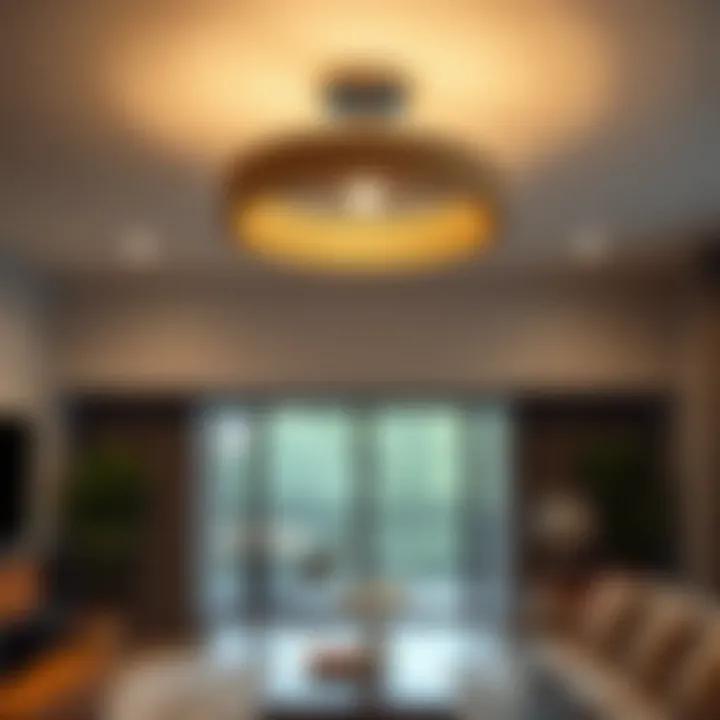
When it comes to illuminating a space, the importance of lighting fixtures often slips under the radar, yet they shape the ambiance of any room. Wood ceiling lights, in particular, merge practicality with artistry, lending a natural warmth that can transform a space into a sanctuary. In this exploration, we will journey through the significant role that wood ceiling lights play in both contemporary and traditional settings.
Unlike standard lighting options, wood fixtures introduce a tactile quality, enrich the decor’s texture, and connect the indoors with the beauty of the outdoors. Homeowners and designers alike are increasingly drawn to these wood-based designs, pairing them with various styles, from rustic to modern minimalism. The right choice can do wonders, not just for illumination but for heightening the overall aesthetic of a room.
Throughout this narrative, you will uncover various aspects, such as design inspiration drawn from current furniture styles, practical advice on maintenance, and tips for sustainable choices. This guide aims to arm you with insights to ensure your lighting enhances your living environments while reflecting personal taste.
Prelims to Wood Ceiling Lights
Wood ceiling lights have carved a unique niche in the world of interior design, often seen as a bridge between the rustic charm of yesteryear and the sleek modernity of contemporary spaces. The allure of these fixtures lies in their ability to transform a room, adding warmth and character while also serving practical lighting needs. When you step into a living area adorned with wood ceiling lights, you’re not just observing a source of illumination; you’re experiencing an ambiance crafted from a marriage of materials and design.
Historical Context of Wood in Lighting Design
Historically, wood has been a favored material in many domains of craftsmanship, including lighting design. Its journey can be traced back to when artisans first harnessed raw timber to create functional items. Even in the early 20th century, wood fixtures were a mark of elegance, blending form with function in a way that metal designs often struggled to replicate. Vintage wooden chandeliers or flush mounts were common in homes, reflecting a time when nature was embraced in every aspect of life.
Over the years, as homes began to shift towards industrial materials, wood's role faded for a while. However, this transition didn't last long. The push for more sustainable, eco-friendly choices among designers rekindled an appreciation for wood, ushering in a revival of wooden lighting that caters to both nostalgia and innovation.
The Rising Popularity of Wood Ceiling Lights
In today’s fast-paced, technology-driven world, many homeowners and designers find solace in natural elements. Wood ceiling lights are particularly on the rise, as people seek ways to incorporate organic materials into curated spaces. Factors contributing to this trend include:
- Sustainability: With an increased awareness of environmental impact, wooden fixtures often come from responsibly managed forests, appealing to eco-conscious consumers.
- Versatility: These lights blend seamlessly in various design styles, from farmhouse to modern minimalist, providing flexibility in room aesthetics.
- Unique Aesthetics: Each wooden piece carries its own grain and texture, ensuring that no two fixtures are alike. This uniqueness adds a touch of individuality to a space, making a statement without being overbearing.
"Wood ceiling lights are more than just sources of light; they're focal points, drawing the eye and enhancing the overall character of the room."
The rising popularity is also reflected in social media platforms like Instagram and Pinterest, where images showcasing elegantly designed wooden light fixtures proliferate under hashtags such as #WoodLighting and #InteriorDesign. Homeowners increasingly opt to install these fixtures, motivated by a desire for both functionality and aesthetic appeal. In summary, wood ceiling lights not only illuminate spaces but weave stories of tradition, sustainability, and style into the fabric of modern interiors.
Design Styles of Wood Ceiling Lights
The design styles of wood ceiling lights can play a crucial role in defining the overall atmosphere of a room. Choosing the right design style does not only amplify aesthetics but also transforms how light interacts within a space. From sleek modern interpretations to rustic applications, each style brings its own narrative and enhances the functionality of lighting. By understanding various designs, homeowners, designers, and decorators can make more informed choices that resonate with their vision for the space, ensuring that each light fixture serves as both a lamp and a statement piece.
Modern Minimalism
Modern minimalism embraces simplicity and functionality; it’s about reducing the excess to focus on essentials. Wood ceiling lights in this style often feature clean lines and understated designs that blend harmoniously with contemporary interiors. For instance, an unadorned, flat-panelled wood fixture can create an elegant focal point without overwhelming the space. The beauty of this style lies in its versatility; it can adapt to various color schemes and textures, making it easy to integrate into existing decor.
Benefits of modern minimalist wood ceiling lights include:
- Enhanced spatial perception: Their simplicity can make smaller rooms feel larger.
- Adaptability: They can fit seamlessly into any modern decor while offering a warm, natural touch with wood.
- Focus on craftsmanship: The design highlights the beauty of the material's texture without unnecessary frills.
Rustic Charm
Rustic charm taps into a nostalgic feeling, grounding spaces in warmth and earthiness. Wood ceiling lights designed with rustic elements often feature reclaimed wood, hand-hewn textures, and vintage finishes. For example, an intricately designed chandelier made from distressed barn wood can serve as a striking conversation starter while providing soft, ambient light.
This style appeals to those who appreciate natural elements and an organic aesthetic, fostering a cozy, inviting atmosphere. Key considerations for rustic charm include:
- Natural imperfections: These fixtures celebrate the unique characteristics of wood, such as knots and grains, which add personality.
- Coupling with textiles: Pairing rustic lights with cozy fabrics like wool or linen enhances the warm feel and complements traditional design elements.
- Integration with other materials: Mixing metals or glass can add visual interest while maintaining a grounded appearance.
Industrial Aesthetic
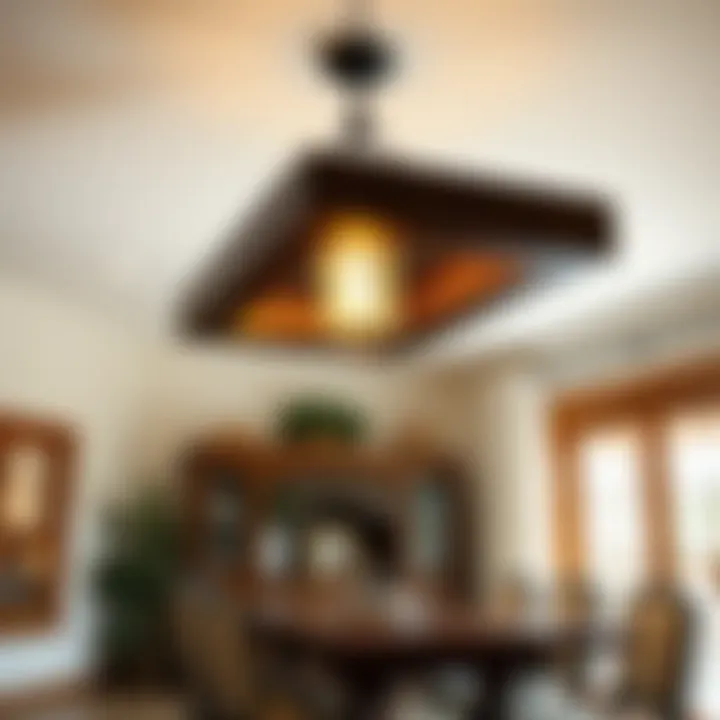
The industrial aesthetic brings a raw, edgy vibe to spaces, often reminiscent of warehouses or factories. Wood ceiling lights in this category frequently combine wood with metals such as iron or steel, showcasing a rugged, utilitarian design. A notable example includes a wooden beam light fixture accentuated with Edison bulbs, cast against a backdrop of exposed brick.
This style thrives on contrast and is perfect for eclectic or urban environments. It has several defining characteristics:
- Bold statements: Fixtures often act as standout features due to their size and materials used.
- Mixing traditional and modern: These designs often pair vintage wood with modern finishes, striking a balance between old and new.
- Functionality meets form: Industrial fixtures are not just aesthetically pleasing; they also perform an essential role in illuminating larger spaces effectively.
Classic Elegance
Classic elegance in wood ceiling lights reflects time-honored traditions, merging sophistication with rich wood tones. These fixtures may feature ornate carvings or intricate designs, reminiscent of historical styles like Art Deco or Victorian. Consider a beautifully constructed wooden chandelier that illuminates a dining room, creating a lavish but inviting atmosphere.
Key aspects of classic elegance include:
- Timeless appeal: The elegance of classic designs ensures they never go out of style, making them a worthwhile investment.
- Attention to detail: Embellishments like crystals or antique finishes can elevate a simple wood fixture to an extraordinary centerpiece.
- Compatibility: These designs complement various decor styles, from traditional to transitional, seamlessly integrating into diverse environments.
In short, selecting a wood ceiling light that aligns with a specific design style is paramount. It not only fulfills the need for illumination but also reinforces the desired ambiance of a space, adding character and depth to home interiors.
By understanding these diverse styles, homeowners and decorators can navigate their lighting choices with clarity, leading to more harmonized and inviting environments.
Materials and Construction of Wood Ceiling Lights
The materials and construction of wood ceiling lights hold a multitude of significance, shaping not only their aesthetic appeal but also their durability and functionality. Choosing the right material can enhance both the design and utility of the fixture, while adept construction techniques ensure longevity and safety in various environments. Whether you are a homeowner seeking to elevate your decor or a designer aiming for that perfect piece, understanding these aspects is crucial.
Types of Wood Used in Lighting Fixtures
When it comes to wood ceiling lights, the type of wood selected can greatly influence the overall design and feel of the space they illuminate. Here are some common varieties:
- Oak: Renowned for its strength and durability, oak offers a classic look with its prominent grain. It stands beautifully in modern and rustic designs alike.
- Maple: Maple wood is lighter and has a fine texture, making it perfect for minimalist designs. Its brightness can illuminate a room with an airy vibe.
- Walnut: The rich, dark hue of walnut gives a touch of elegance and sophistication. This wood is often used in high-end designs and can work wonders in cozy environments.
- Pine: A more affordable option, pine is lightweight and often features knots that add character. It's perfect for casual, rustic styles where warmth is essential.
Understanding the wood not only extends to visual qualities but also factors in sustainability and maintenance. Sustainable sourcing of wood is increasingly important, calling for more conscientious purchasing decisions. Homeowners and designers should inquire about the origins of the wood and aim for reputable suppliers who prioritize eco-friendly materials.
Finishing Techniques and Their Impact on Aesthetics
Finishing plays a vital role in the overall elegance and durability of wood ceiling lights. Different finishes can completely transform the look of a lighting fixture. Consider these common finishing techniques:
- Staining: This adds color while highlighting the natural grain. Darker stains can create a more dramatic look, while lighter stains may invoke a softer tone.
- Varnishing: A protective layer is applied, enhancing durability and sheen. This finish works well in spaces where moisture is of concern, as it repels water and prevents warping.
- Oiling: Natural oils can maintain the wood’s beauty by keeping it hydrated. Oiling offers a low-sheen, natural look that retains the wood's characteristics.
"The right finish not only protects wood but also tells a story through its texture and color."
Each technique carries implications not just for appearance but for maintenance needs and lifespan. For instance, while varnishing may guard against scratches, it can also be more prone to chipping than oil finishes. Therefore, when designing wooden ceiling lights, it is vital to consider where they will be installed and how much wear and tear they are likely to face.
By paying attention to the materials used and the ways they are finished, one can ensure that wood ceiling lights serve their intended purpose while seamlessly fitting into the overarching design aesthetic of the space.
Functionality of Wood Ceiling Lights
When it comes to lighting, aesthetics often take center stage. However, the function of the lighting fixtures should not be neglected, especially when discussing wood ceiling lights. They bridge the gap between style and utility, offering a myriad of features that are essential for creating an inviting atmosphere in any space. Not only do these fixtures illuminate rooms effectively, but they also enhance the overall design narrative of your home.
Lighting Types: Ambient, Task, and Accent
Wood ceiling lights are not just about casting light; they cater to different lighting needs. Understanding the three primary types of lighting—ambient, task, and accent—can help in selecting the right fixture for your space.
- Ambient Lighting: This is the general, all-around light that fills a room, creating a comfortable level of brightness without glare. A wood pendant light in the center of a dining area can establish a warm glow, making the space feel cozy and welcoming.
- Task Lighting: This type focuses on specific areas where activities such as reading, cooking, or working take place. An example might be a wood flush mount light installed above a kitchen island, illuminating the workspace effectively while adding a natural touch.
- Accent Lighting: This serves as a spotlight for highlighting particular features like artwork or architectural elements. For instance, a wooden spotlight can draw attention to an impressive piece of art on the wall.
Understanding these types not just improves functionality but also elevates the design aspects, allowing homeowners to create harmonious environments tailored to their lifestyle.
Dimmer Switches and Lighting Control
In any well-designed space, the ability to control light levels adds both comfort and flexibility. This is where dimmer switches come into play. They can transform the ambiance of a room just by adjusting the brightness.
- Flexibility: Dimmer switches allow homeowners to modify the light intensity based on the time of day or the mood desired. Bright light may be ideal for an energizing breakfast, while softer tones can create a relaxing atmosphere for evening unwinding.
- Energy Efficiency: These controls can also contribute to energy savings and prolong the lifespan of light bulbs. Lowering brightness means that the bulbs work less hard, thereby consuming less electricity.
- Compatibility with Wood Fixtures: Many wood ceiling lights can be paired seamlessly with dimmers, allowing for a tailored lighting experience. This pairing not only meets functional needs but also aligns with the aesthetic ethos of the fixture itself.
The right lighting can transform not just a room's feel but also how we experience the spaces we inhabit.
To explore more about wood lighting fixtures, you can visit resources like britannica.com or delve into discussions on similar themes at reddit.com.
Installation Considerations for Wood Ceiling Lights
When it comes to installing wood ceiling lights, getting it right is crucial to ensure both aesthetic harmony and functional efficacy within your living space. This section discusses vital aspects to consider, demonstrating how thoughtful planning can elevate the overall impact of these charming fixtures.
Assessment of Space and Height
Before you even think about mounting that stunning wood fixture, take a good look at your space. The height of your ceilings plays a significant role in what kind of wood ceiling light you should choose. For instance, in a room with a lower ceiling, you might want to opt for flush-mounted fixtures rather than a dramatic pendant. High ceilings, on the other hand, can benefit from elongated designs that draw the eye upward, creating a sense of grandeur.
- Room Dimensions: Consider how the size of the room plays into your choice. In a large space, a single pendant may get lost, while multiple smaller fixtures can provide balance and warmth. A crowded room can feel cluttered with too many hanging lights, so finding that sweet spot is key.
- Proportions Matter: The scale of the light fixture should ideally complement the furniture it’s surrounding. A massive wooden chandelier over a small dining table can overpower the area, making it feel cramped. Experiment with different setups using temporary measures before committing. You might be surprised at how different arrangements can impact the visual flow of your decor.
- Ambiance and Functionality: After ensuring your choice fits space-wise, think about how the light will be used. Is it predominantly for ambience, or does it need to serve a functional role, such as illuminating a workspace? Having a clear understanding of the fixture's purpose can steer your choice toward more suitable designs.
Electrical Safety Tips and Best Practices
Safety should be at the forefront of any light installation process, especially when it involves ceiling fixtures. Here’s a rundown of practical strategies to keep your home safe:
- Hire a Professional: If you’re not comfortable with electrical work, it’s wise to bring in an electrician. They can ensure that the installation follows local codes and practices, ultimately saving you headaches down the line.
- Check Your Wiring: Before installing your wood ceiling lights, inspect the wiring in your home. Older homes might not support modern fixtures without upgrades. If in doubt, consult an expert.
- Use the Right Bulb Type: Make sure to use light bulbs that are compatible with your fixture. LEDs are often the best choice for longevity and energy efficiency, but ensure they’re rated for use in enclosed fixtures, if applicable.
“Safety first, because nobody wants to 'light up' their home with a hazard.”
- Secure Mounting: Wood can be a bit unforgiving if not mounted properly. Ensure all fixtures are securely anchored to prevent any accidental falls. This includes using appropriate anchors and screws that match the weight of your chosen fixture.
Maintenance and Care of Wood Ceiling Lights
Caring for wood ceiling lights is not just about keeping them clean; it’s fundamental to ensure their longevity and to preserve their aesthetic charm. These fixtures require a bit of attention to detail, but the benefits certainly outweigh the effort involved. A well-maintained wood light fixture not only enhances the overall look of a room but also functions optimally, showcasing its design features without any hindrance. Throughout this section, we will explore effective cleaning methods tailored for wood fixtures, and essential preventative measures that can dramatically extend their lifespan.
Cleaning Methods for Wood Fixtures
When it comes to cleaning wood ceiling lights, the approach should be gentle yet effective. Wood is a natural material and can be sensitive to harsh chemical cleaners. Here are a few cleaning methods that are suitable for preserving the beauty of these fixtures:
- Dust Regularly: Use a soft, dry cloth or a microfiber duster to wipe away dust and debris. For intricate designs, a soft brush can reach into crevices without scratching the surface.
- Mild Soap Solution: For deeper cleaning, mix a few drops of mild dish soap with warm water. Dampen a cloth with this solution to gently wipe the wood. Avoid soaking the wood; instead, use just enough moisture to clean without letting it saturate.
- Avoid Excessive Moisture: After cleaning, always ensure that the wood is dried thoroughly. Leave the fixture off for a few hours to air dry if possible. Excess moisture can warp or damage the wood, ruining its finish.
Tip: For stubborn stains or sticky residues, a diluted vinegar solution can often break down residues without harming the wood. However, make sure to test it on a small, hidden area first.
Preventative Measures for Longevity
Preventive care goes a long way in maintaining the aesthetic appeal and functionality of wood ceiling lights. Here are some measures to consider:
- Choose the Right Location: Avoid placing wood ceiling lights in areas with high humidity, such as bathrooms or near cooking areas. Moisture can lead to warping or discoloration.
- Use Soft Bulbs: Fluorescent bulbs can emit excessive heat and may discolor the wood over time. Opt for LED bulbs that provide ample light without generating too much heat.
- Regular Inspections: Periodically check for any loose fixtures or wires. Addressing these issues upfront can prevent potential hazards later on.
- Finishing Treatments: Applying a fresh coat of wood furniture polish or wax every few years can enhance the natural sheen of the wood. It also creates a barrier against dust and moisture.
By incorporating these straightforward cleaning methods and preventative measures, homeowners and designers can ensure that their wood ceiling lights remain not only beautiful but also functional for many years to come. The investment of time in proper maintenance results in a striking integration of form and functionality in any interior space.
Sustainability in Wood Lighting Choices
Sustainability is a hot topic today, addressing the urgent desire for environmental stewardship without compromising style. Incorporating sustainability into wood ceiling lights serves numerous purposes that influence not only the atmosphere of a space but also the broader implications for our planet’s health. Homeowners, designers, and decorators are increasingly on the lookout for choices that harmonize aesthetic appeal with eco-consciousness.
Sourcing Sustainable Wood Materials
When buying or designing wood ceiling lights, the choice of material is paramount. Opting for sustainably sourced wood means selecting materials harvested from forests that are responsibly managed, ensuring they’re replenished naturally and preserving biodiversity. Some prominent sources include:
- FSC Certified Wood: The Forest Stewardship Council (FSC) certifies wood that meets strict environmental and social standards. Choosing FSC-certified wood guarantees that the material is responsibly sourced and supports local communities.
- Reclaimed Wood: Using wood that has been repurposed from older buildings or furniture not only adds character and history but also reduces the demand for newly harvested timber. This eco-friendly option has its charms and is often unique in style.
- Bamboo: Though technically a grass, bamboo is a popular choice as a sustainable material due to its rapid growth rate and ability to thrive without chemical fertilizers.

Incorporating these materials not only impacts the aesthetic value of wood ceiling lights but also aligns with a growing consumer consciousness towards eco-friendliness.
Eco-Friendly Production Techniques
A responsible approach extends beyond sourcing; it includes the way these materials are processed. Eco-friendly production techniques can significantly mitigate the carbon footprint associated with wood lighting fixtures. Many manufacturers are adopting greener practices, which include:
- Water-Based Finishes: These finishes are less toxic than traditional oil-based products. They emit fewer volatile organic compounds (VOCs), contributing to improved indoor air quality—a vital consideration for any home.
- Energy-Efficient Production: Companies focusing on sustainability often utilize energy-efficient machinery or renewable energy sources during manufacturing, reducing overall energy consumption.
- Local Production: Sourcing and producing lights locally cuts down on transportation emissions, ensuring that the material's journey takes as little energy as possible from the environment.
By embracing these eco-friendly techniques, manufacturers are not just cutting down on waste; they’re cultivating a movement towards responsible design practices.
Choosing sustainable wood ceiling lights has a ripple effect. It supports ethical procurement, encourages innovative production, and promotes better environmental practices—all while ensuring spaces remain inviting and stylish.
The Role of Wood Ceiling Lights in Interior Design
In the context of interior design, wood ceiling lights are not merely functional tools; they serve as pivotal elements that can transform a space, enhance its ambiance, and reflect the personality of those who inhabit it. The intersection of aesthetics and practicality makes wood ceiling lights a vital topic in the discussion of modern and traditional interiors. This section explores the significance of these fixtures and how they contribute to overall design coherence.
Creating Cohesive Design Narratives
Wood ceiling lights play an essential role in establishing a cohesive narrative within a space. When thoughtfully incorporated, they can draw together various design themes, creating unity across disparate elements. For instance, a modern kitchen featuring sleek cabinetry and stainless-steel appliances can take on a warmer feel when paired with natural wood lighting fixtures, fostering balance between contemporary and organic aesthetics.
The ability of wood ceiling lights to create a narrative lies in their materiality. Here are a few examples of how they achieve this:
- Color Harmony: Wood, with its diverse range of finishes—from light maple to dark walnut—can either complement or contrast the existing color palette of a room. This gives homeowners the power to amplify their design narrative effectively. E.g., warm tones of cherry wood can soften the harshness of monochromatic interiors.
- Textural Balance: The tactile quality of wood adds a warm dimension to spaces that might otherwise feel too sterile or flat. For a room decked with metal furniture or glass surfaces, introducing wood ceiling lights not only enhances the tactile experience but also pleases the eye with its organic texture.
- Design Consistency: Fixtures made of wood can serve as thematic ties that link different areas of a home together. If each room adopts a similar wood finish, this element can subtly suggest continuity throughout an estate, leading to a more harmonious overall design approach.
"Lighting can transform a space, but wood ceiling lights take that transformation a step further by weaving emotional warmth into visual aesthetics."
Complementing Other Design Elements
Wood ceiling lights also excel in their ability to complement and enhance other design elements already present in a space. The versatility of wood allows these fixtures to play well with a variety of styles and materials, enriching the design discourse within a room. Several key factors illustrate this complementarity:
- Color Contrast: Wood can provide a natural counterpoint to stark colors or materials like steel or glass. The interplay creates visual interest and can act to ground a design. For example, a dark-stained wood fixture may provide a dramatic focal point against a bright white ceiling.
- Layering Light: Lighting is seldom about just one type; layering different types enhances functionality and design. Adding a wood ceiling fixture can harmonize with other light sources, such as recessed lighting or floor lamps, creating a symphony of illumination that serves both form and function.
- Design Integration: Fixtures constructed from reclaimed or sustainably sourced wood not only draw attention but echo principles of sustainability and environmental consciousness, enriching the overarching narrative of a space.
In summary, wood ceiling lights are vital assets in the toolkit of interior design. They not only illuminate but also infuse warmth and character into the fabric of living spaces. Thoughtful integration of these lights can yield a cohesive and impactful aesthetic, fostering not just visual harmony but an inviting atmosphere that resonates well with homeowners and guests alike.
Culmination: The Lasting Impact of Wood Ceiling Lights
The significance of wood ceiling lights extends far beyond mere illumination; they embody a blend of beauty, practicality, and a touch of nature within our living spaces. In contemporary design, where sleek finishes often dominate, wood fixtures offer a refreshing contrast, pulling the warmth of natural materials right into the heart of homes and businesses.
In evaluating the impact wood ceiling lights have, it is clear they contribute positively to the ambience of a room. Their range of styles—from rustic charm to sleek modernism—allows homeowners and designers to express individuality while enhancing overall design coherence. Moreover, wood lights provide an organic feel, bridging the gap between ornate and minimalistic design approaches, making them fitting for a variety of settings.
Benefits of incorporating these fixtures include:
- Enhanced Aesthetic Appeal: Wood adds texture, depth, and a touch of sophistication.
- Versatile Functionality: Suitable for various lighting needs, whether for ambient lighting, task lighting, or purely decorative purposes.
- Sustainability: With growing environmental awareness, the choice of sustainable wood sources can resonate well with eco-conscious consumers.
While the aesthetic and functional benefits are clear, some considerations must be taken into account when selecting wood ceiling lights. Homeowners should think about the space’s dimensions, existing décor, and desired atmosphere. For instance, a large, bold wooden fixture may overwhelm a smaller room, whereas subtle pieces can provide just the right touch of elegance in more confined spaces.
In sum, wood ceiling lights can play a pivotal role in shaping the atmosphere of spaces, proving that design choices can significantly affect mood, comfort, and overall spatial experience. Their lasting impact lies in both their physical presence and the emotional warmth they bring.
Evaluating Design Choices for Future Spaces
As we move forward, it becomes imperative to consider how design choices will evolve with changing aesthetics and functional needs. Evaluating wood ceiling light fixtures is one area where this is particularly relevant. Each piece can do more than provide illumination; it serves as a statement piece that influences the room's design narrative.
When contemplating future installations, take a few aspects into account:
- Sustainability: Explore options incorporating reclaimed or sustainably sourced wood.
- Multifunctionality: Choose designs that blend form with function, such as fixtures that allow for adjustable light levels or multifunctional setups.
- Cohesion: Ensure that the chosen lighting fits seamlessly into the overall design plan, complementing colors, textures, and the intended purpose of the space.
The Intersection of Aesthetics and Functionality
Wood ceiling lights encapsulate the ongoing dialogue between aesthetics and functionality, emphasizing that beauty and practicality can coexist harmoniously. A well-crafted fixture does not merely reside in a space but engages actively with it, offering illumination alongside style.
This intersection can further be exemplified by understanding how different wood types can impact both appearance and performance. For instance, a light fixture made of oak might provide a sturdy and rustic charm, while a sleek maple finish might lend itself to a more refined, modern look. These choices reflect on how design elements can create moods and feelings, ultimately enhancing the way a space is experienced.